Introduction

Urban gardening has become a growing trend in modern society, offering numerous benefits and transforming cityscapes around the world. As people increasingly recognize the importance of sustainable living and reconnecting with nature, urban gardening provides a practical solution to create green spaces in urban areas. This introduction will explore the growing trend of urban gardening, its benefits in modern society, and how it can transform your cityscape.
The Growing Trend of Urban Gardening
Urban gardening has gained significant popularity in recent years as more individuals seek to cultivate their own food and reconnect with nature within urban environments. With limited access to traditional gardens and open spaces, people are finding innovative ways to grow plants in small spaces such as balconies, rooftops, and even vertical structures. This trend reflects a desire for self-sufficiency, environmental consciousness, and a connection to one's food source.
Benefits of Urban Gardening in Modern Society
Urban gardening offers a wide range of benefits that contribute to the overall well-being of individuals and communities alike. By creating green spaces within cities, urban gardening not only enhances aesthetics but also improves air quality by reducing pollution levels. Additionally, it provides opportunities for social interaction and community engagement, fostering a sense of belonging and cohesion among residents.
How Urban Gardening Can Transform Your Cityscape
Imagine walking down a bustling city street lined with vibrant planters overflowing with flowers or vegetables thriving on rooftops. Urban gardening has the power to transform concrete jungles into lush green havens that provide numerous environmental benefits while enhancing the overall beauty of our cities. By incorporating natural elements into our urban landscapes, we can create healthier and more sustainable living environments for everyone.
Accessible Gardening for All
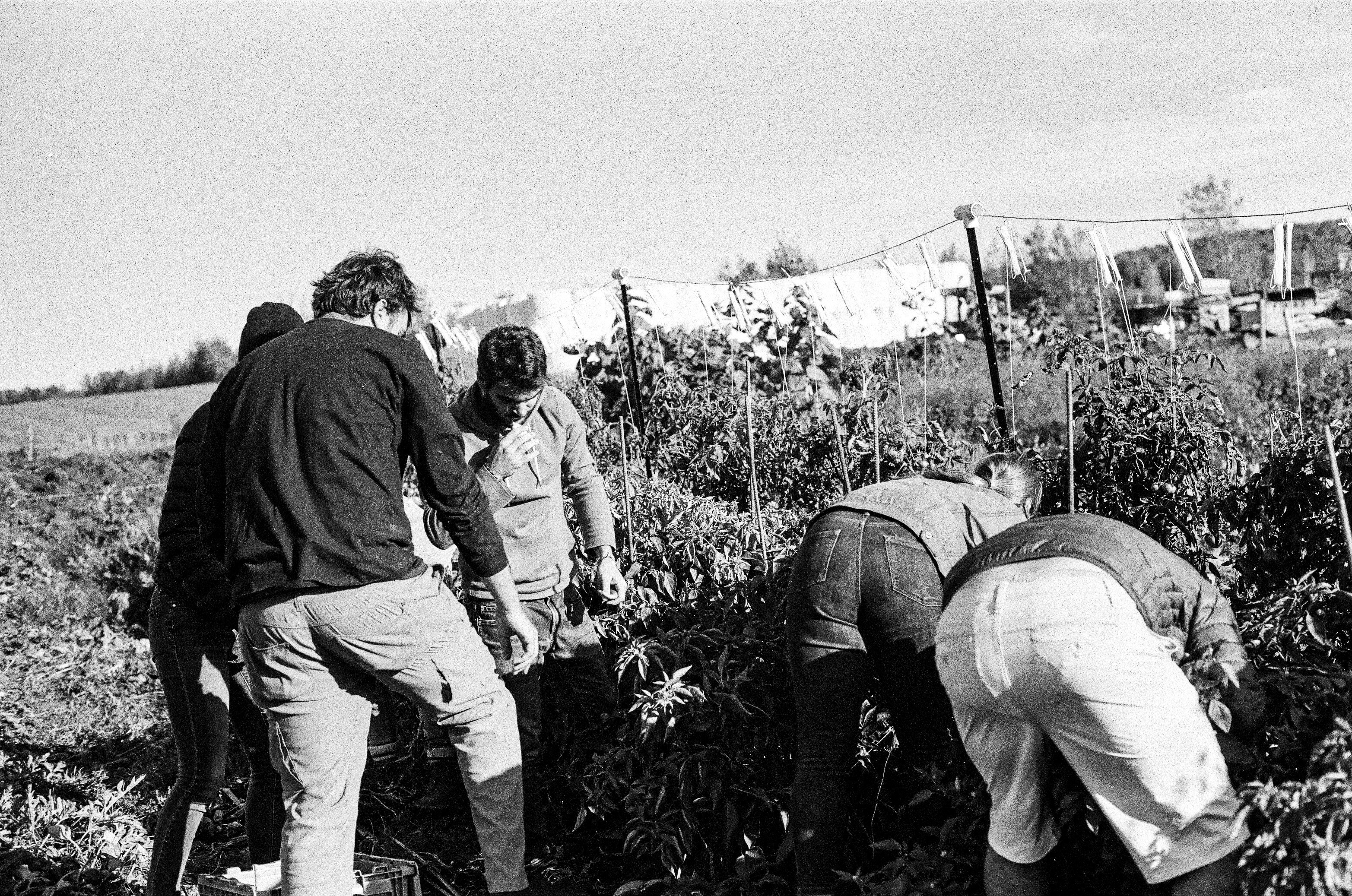
Urban gardening is not only a trend but also a way to create accessible green spaces in our concrete jungles. By transforming empty lots, rooftops, and even walls into thriving gardens, cities can become more vibrant and sustainable.
Creating Green Spaces in Urban Areas:
One of the key benefits of urban gardening is the creation of green spaces in otherwise barren urban areas. These green spaces not only beautify the cityscape but also provide a breath of fresh air amidst the hustle and bustle. Imagine strolling down a busy street and being greeted by vibrant flowers and lush plants. It brings a sense of tranquility and connection with nature that is often lacking in urban environments.
Promoting Community Engagement and Cohesion:
Urban gardening has the power to bring communities together. When individuals come together to tend to a communal garden, it fosters a sense of belonging and unity. People from different backgrounds can share their knowledge, experiences, and stories while working towards a common goal - nurturing their plants. This shared experience strengthens social ties within neighborhoods, creating a stronger sense of community.
Improving Mental and Physical Health Through Gardening:
Gardening has been proven to have numerous mental and physical health benefits. Engaging in gardening activities can reduce stress levels, improve mood, and increase overall well-being. The act of nurturing plants provides a sense of purpose and accomplishment, boosting self-esteem. Additionally, urban gardening encourages physical activity as individuals bend, squat, dig, and prune their way through the garden beds.
By creating green spaces in urban areas through urban gardening initiatives, communities are given an opportunity to connect with nature while fostering relationships with one another. The mental and physical health benefits of gardening further enhance the overall well-being of individuals, making urban gardening a truly accessible and inclusive activity for all.
Environmental Impact of Urban Gardening

Urban gardening has a significant environmental impact, contributing to the reduction of carbon footprint, mitigating the urban heat island effect, and increasing biodiversity and supporting pollinators.
Reducing Carbon Footprint in Urban Areas
Urban gardening plays a crucial role in reducing carbon footprint in cities. By cultivating plants and trees, urban gardens absorb carbon dioxide from the atmosphere through photosynthesis, helping to combat climate change. Additionally, growing food locally reduces the need for long-distance transportation, further decreasing greenhouse gas emissions.
Mitigating Urban Heat Island Effect
The urban heat island effect refers to the phenomenon where cities experience higher temperatures compared to surrounding rural areas due to human activities and lack of green spaces. Urban gardening helps mitigate this effect by introducing vegetation that provides shade and evaporative cooling. The plants also release moisture through transpiration, creating a cooling effect that helps counteract the heat trapped by concrete and asphalt.
Increasing Biodiversity and Supporting Pollinators
Urban gardening promotes biodiversity by creating habitats for various plant species and attracting wildlife such as birds, bees, butterflies, and other pollinators. These pollinators play a vital role in maintaining ecosystems by facilitating plant reproduction. By providing them with food sources and shelter through urban gardens, we can support their populations and contribute to overall biodiversity conservation.
Economic Benefits of Urban Gardening
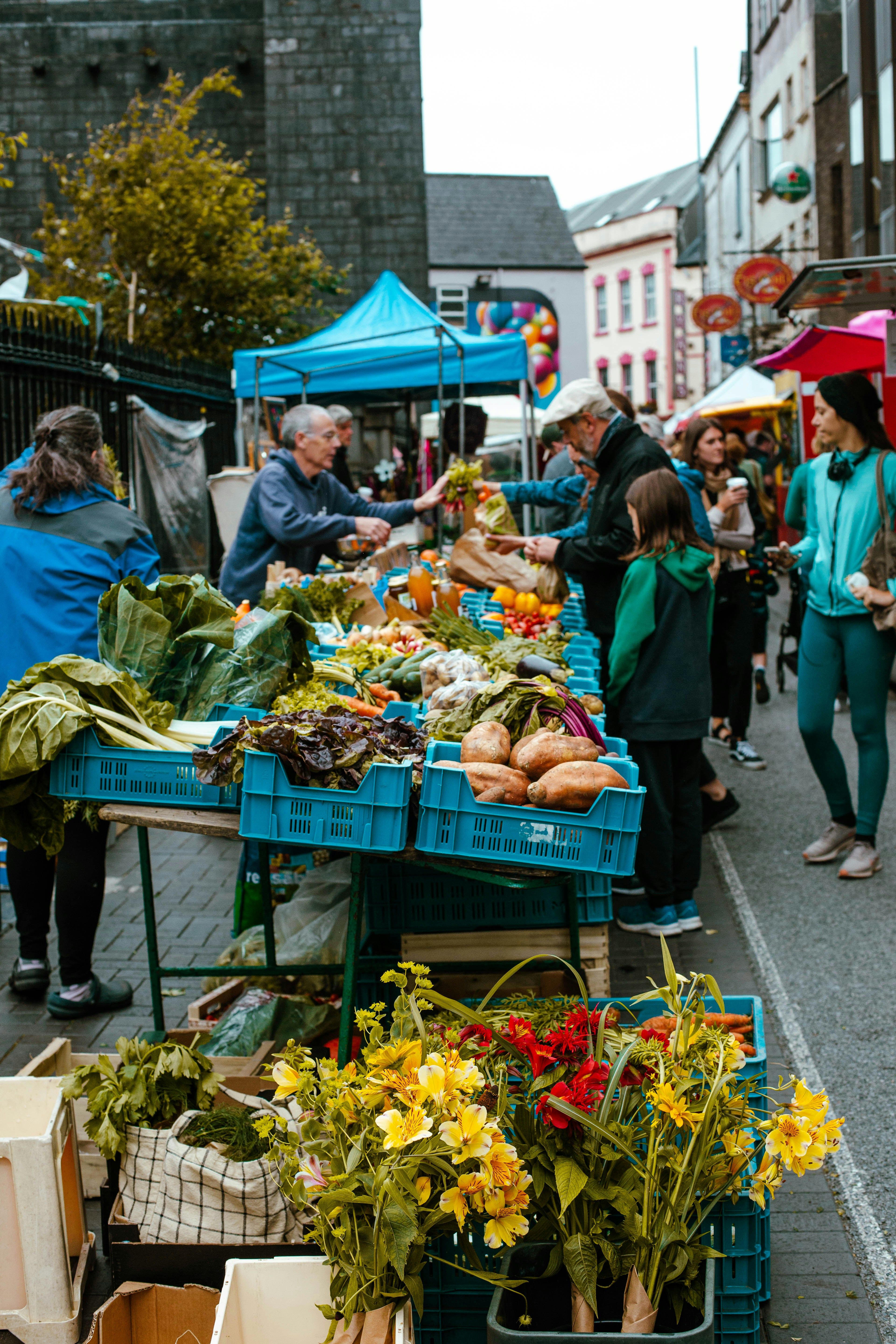
Urban gardening not only brings numerous environmental and health advantages, but it also has significant economic benefits for communities. By boosting the local economy and promoting entrepreneurship, urban gardening can create a thriving economic ecosystem.
Boosting Local Economy and Entrepreneurship
Urban gardening initiatives have the potential to stimulate local economies by generating revenue through the sale of produce, plants, and gardening supplies. As more people embrace urban gardening, there is an increased demand for gardening tools, seeds, fertilizers, and other related products. This surge in demand creates opportunities for local businesses to flourish and expand their operations.
Furthermore, urban gardens can attract visitors from both within and outside the community. These visitors may be attracted by farmers' markets or community events centered around urban gardening. As a result, local businesses such as cafes, restaurants, and shops can benefit from increased foot traffic and patronage.
Reducing Food Costs and Supporting Food Security
One of the key economic benefits of urban gardening is its potential to reduce food costs for individuals and families. By growing their own fruits, vegetables, and herbs, people can significantly cut down on their grocery bills. This is particularly beneficial for low-income households who often struggle with rising food prices.
Additionally, urban gardening plays a crucial role in supporting food security within communities. When individuals have access to fresh produce grown locally, they are less reliant on imported or commercially produced foods that may be expensive or of lower quality. This self-sufficiency in food production helps to build resilient communities that are better equipped to withstand disruptions in the global food supply chain.
Creating Job Opportunities in Urban Agriculture
Urban agriculture presents a unique opportunity for job creation within cities. As more urban gardens are established, there is a growing need for skilled workers in various areas such as farming techniques, landscaping design, irrigation systems installation and maintenance, composting management, and pest control.
Moreover, urban gardening can also foster entrepreneurship by providing individuals with the opportunity to start their own small businesses. For example, urban farmers can sell their produce directly to local restaurants or set up community-supported agriculture (CSA) programs, where individuals subscribe to receive a regular supply of fresh produce. These entrepreneurial ventures not only create jobs but also contribute to the overall economic growth of the community.
Enhancing Food Quality and Nutrition
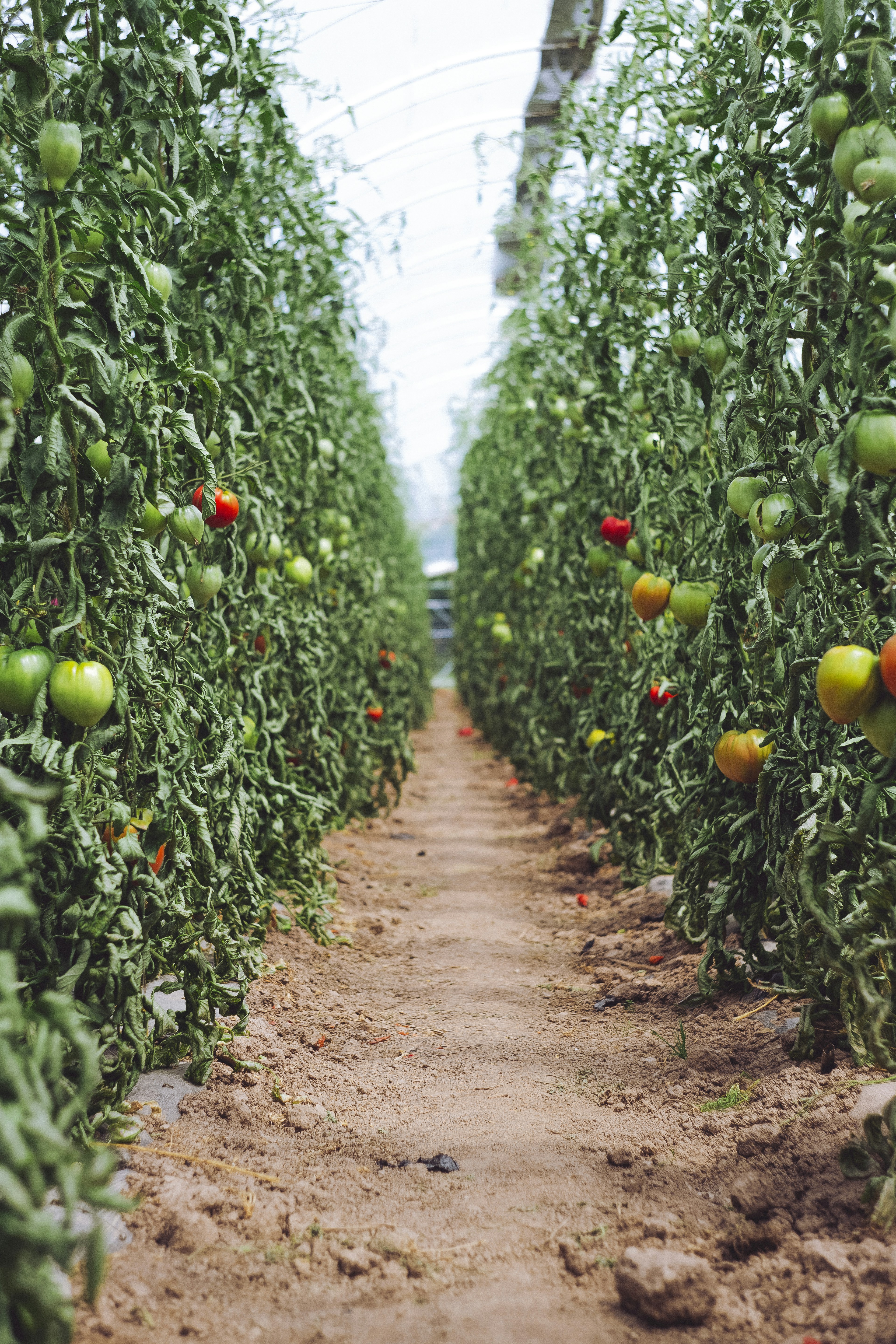
Growing Organic and Fresh Produce
Urban gardening offers the opportunity to grow organic and fresh produce right in the heart of the city. By utilizing sustainable farming practices such as composting, natural pest control, and avoiding chemical fertilizers, urban gardeners can ensure that their crops are free from harmful chemicals and pesticides. This not only enhances the taste and nutritional value of the food but also promotes a healthier lifestyle for individuals consuming these homegrown fruits and vegetables.
Empowering Individuals to Make Healthy Food Choices
One of the key benefits of urban gardening is its ability to empower individuals to make healthier food choices. By growing their own produce, people have greater control over what goes into their bodies, allowing them to prioritize nutritious options. Urban gardens serve as a reminder that healthy eating can be accessible and enjoyable for everyone, regardless of their location or income level. This empowerment fosters a sense of responsibility towards personal health and well-being.
Education and Awareness on Sustainable Food Systems
Urban gardening goes beyond just growing food; it also serves as a platform for education and awareness on sustainable food systems. Through community workshops, school programs, or online resources, urban gardeners can share their knowledge about organic farming methods, composting techniques, and sustainable agricultural practices. This not only helps individuals develop a deeper understanding of where their food comes from but also encourages them to make more informed choices that benefit both themselves and the environment.
Utilizing Small Spaces for Maximum Yield
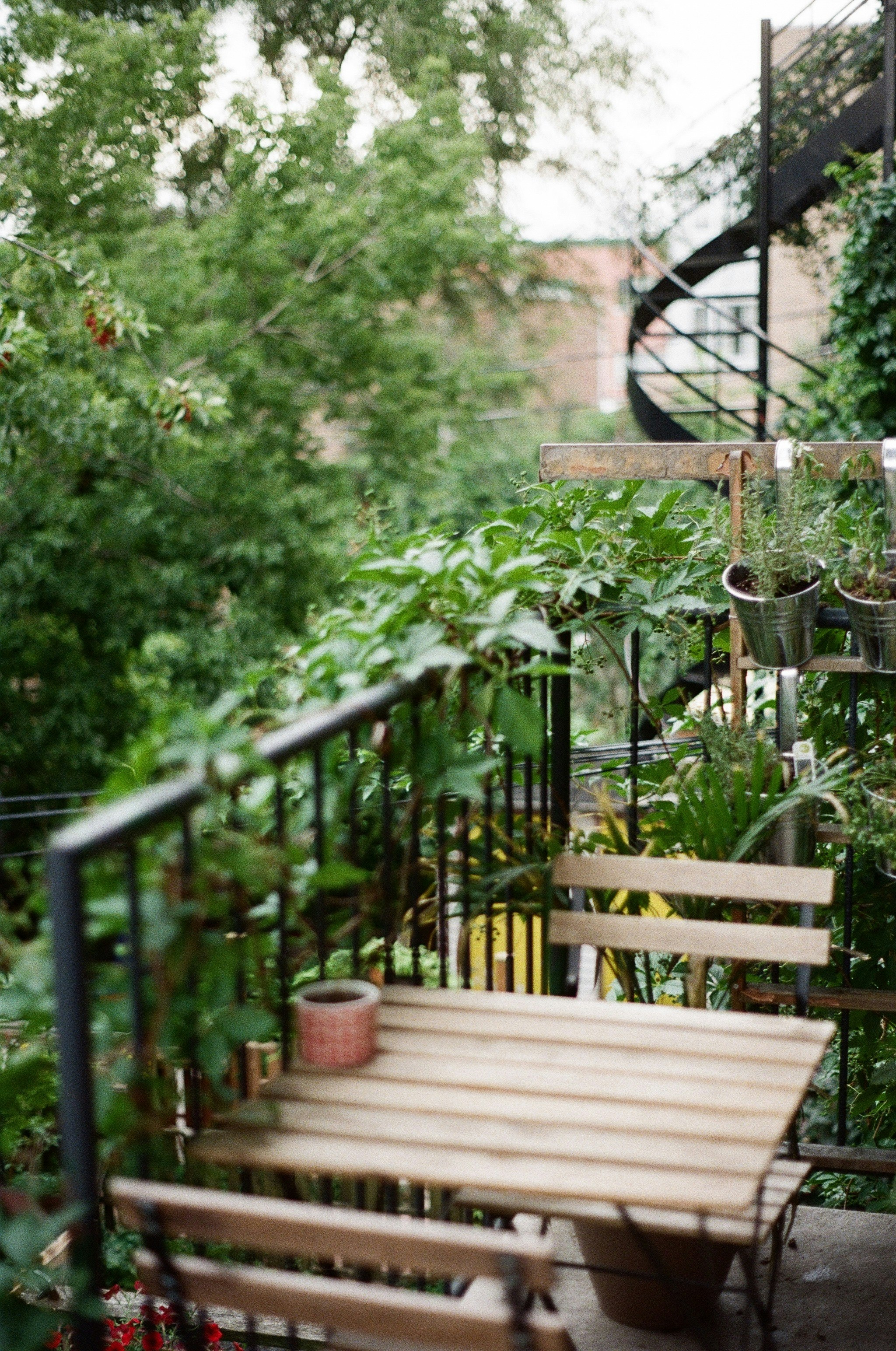
Urban gardening is all about making the most of limited spaces to grow an abundance of plants and crops. Whether you have a small balcony, rooftop, or even just a windowsill, there are various techniques you can employ to maximize your yield.
Vertical Gardening Techniques for Urban Settings
Vertical gardening is a fantastic way to utilize vertical space and create a lush green oasis in urban settings. By growing plants vertically on walls or trellises, you can save valuable floor space while still enjoying a bountiful harvest. Consider using hanging planters, wall-mounted containers, or even repurposing old pallets as vertical gardens.
One effective technique for vertical gardening is the use of hydroponics systems. These soil-less setups allow plants to grow vertically by providing them with water and nutrients directly through their roots. With hydroponics, you can grow a wide variety of crops such as lettuce, herbs, and even small fruiting plants like tomatoes.
Container Gardening for Limited Spaces
Container gardening is another excellent option for urban dwellers with limited space. By using pots, planters, or even repurposed containers like buckets or old furniture, you can transform any corner into a thriving garden.
When choosing containers for your urban garden, make sure they have proper drainage holes to prevent waterlogging and root rot. Additionally, consider the size of the container based on the mature size of the plant you intend to grow.
Container gardens offer flexibility as they can be easily moved around to optimize sunlight exposure throughout the day. This allows you to experiment with different locations until you find the ideal spot for each plant's growth.
Tips for Growing a Variety of Crops in Small Gardens
In small gardens where every inch counts, strategic planning is crucial. Start by selecting crops that are well-suited for small spaces such as leafy greens (lettuce, spinach), herbs (basil, parsley), and compact vegetables (radishes, cherry tomatoes).
To maximize your yield, consider interplanting compatible crops that can grow together without competing for resources. For example, you can plant lettuce between rows of carrots or grow climbing beans alongside corn stalks.
Additionally, make use of trellises or stakes to support vining plants like cucumbers or peas. This not only saves space but also prevents them from sprawling across the garden.
Conclusion

Urban gardening is not just a passing trend, but a movement that has the power to transform our cities and improve our lives in numerous ways. By embracing this movement, we can harness the power of nature in our urban areas and unlock the benefits of urban gardening for all.
Embracing the Urban Gardening Movement allows us to reconnect with nature and bring green spaces into our concrete jungles. It provides an opportunity for individuals to cultivate their own plants and contribute to a more sustainable and eco-friendly environment.
Harnessing the Power of Nature in Our Cities means utilizing the potential of urban gardening to mitigate the negative effects of urbanization. By creating more green spaces, we can combat pollution, reduce heat island effect, and support biodiversity.
Unlocking the Benefits of Urban Gardening for All is essential for building stronger communities and improving overall well-being. Urban gardening promotes community engagement and cohesion by bringing people together through shared interests. It also offers physical and mental health benefits, as gardening has been proven to reduce stress levels and increase physical activity.
In conclusion, urban gardening is not only about growing plants; it's about fostering a sense of connection with nature, promoting sustainability, enhancing food quality, boosting local economies, and improving overall well-being. By embracing this movement and harnessing the power of nature in our cities, we can unlock a multitude of benefits for ourselves and future generations. So let's grab our shovels and join the urban gardening revolution!