Introduction
In today's world, where sustainability and environmental consciousness are becoming increasingly important, natural pest control gardening has emerged as a popular and effective method for maintaining healthy gardens. By utilizing natural methods instead of relying on harmful chemicals, gardeners can create a balanced ecosystem that promotes the well-being of plants and beneficial insects. In this guide, we will explore the importance of natural pest control gardening, the benefits of using natural methods, and how to implement effective techniques to ensure a thriving garden.
The Importance of Natural Pest Control Gardening
Natural pest control gardening is essential for maintaining the health and longevity of our gardens. By avoiding the use of chemical pesticides, we not only protect our plants but also safeguard the environment. Chemical pesticides can have detrimental effects on ecosystems, contaminating soil and water sources while harming beneficial insects and wildlife. Embracing natural methods allows us to create a sustainable garden that coexists harmoniously with nature.
Benefits of Using Natural Methods
Using natural methods in pest control gardening offers numerous benefits. First and foremost, it eliminates the risk of harmful chemicals entering our food chain or causing harm to humans or pets. Additionally, natural methods promote biodiversity by encouraging beneficial insects to thrive in our gardens. These helpful creatures act as nature's pest control army, keeping harmful pests in check without causing any harm to our plants or the environment.
How to Implement Effective Techniques
Implementing effective techniques for natural pest control gardening requires careful planning and execution. By incorporating companion planting techniques, we can create alliances between specific plant species that repel pests naturally. Encouraging beneficial insects through habitat creation or introducing them into our gardens can also significantly reduce pest populations. Furthermore, organic pesticides made from household ingredients provide safe alternatives for managing pests effectively without harming other organisms.
With these techniques in mind, let's delve into the world of natural pest control gardening and explore how we can create a thriving and pest-free garden while embracing the beauty of a balanced ecosystem.
Understanding Natural Pest Control Gardening
What is Natural Pest Control Gardening?
Natural pest control gardening refers to the practice of managing pests in gardens and landscapes using eco-friendly and sustainable methods, without relying on harmful chemicals. It involves creating a balanced ecosystem that promotes natural predators, repels pests, and minimizes the use of synthetic pesticides. By working with nature rather than against it, gardeners can effectively control pests while protecting the environment.
The Difference Between Chemical and Natural Methods
The main difference between chemical and natural methods of pest control lies in their approach. Chemical methods rely on synthetic pesticides that are designed to kill or repel pests but can also harm beneficial insects, pollinators, and the environment. On the other hand, natural methods focus on prevention, using techniques such as companion planting, attracting beneficial insects, and using organic pesticides made from natural ingredients like neem oil or garlic spray.
The Environmental Impact of Chemical Pesticides
Chemical pesticides have a significant impact on the environment. They can contaminate soil, water sources, and harm non-target organisms such as birds, bees, and butterflies. These pesticides can also accumulate in the food chain, posing risks to human health when consumed in high quantities. Additionally, overuse of chemical pesticides can lead to pesticide resistance in pests, requiring stronger chemicals or higher doses to achieve the same level of control.
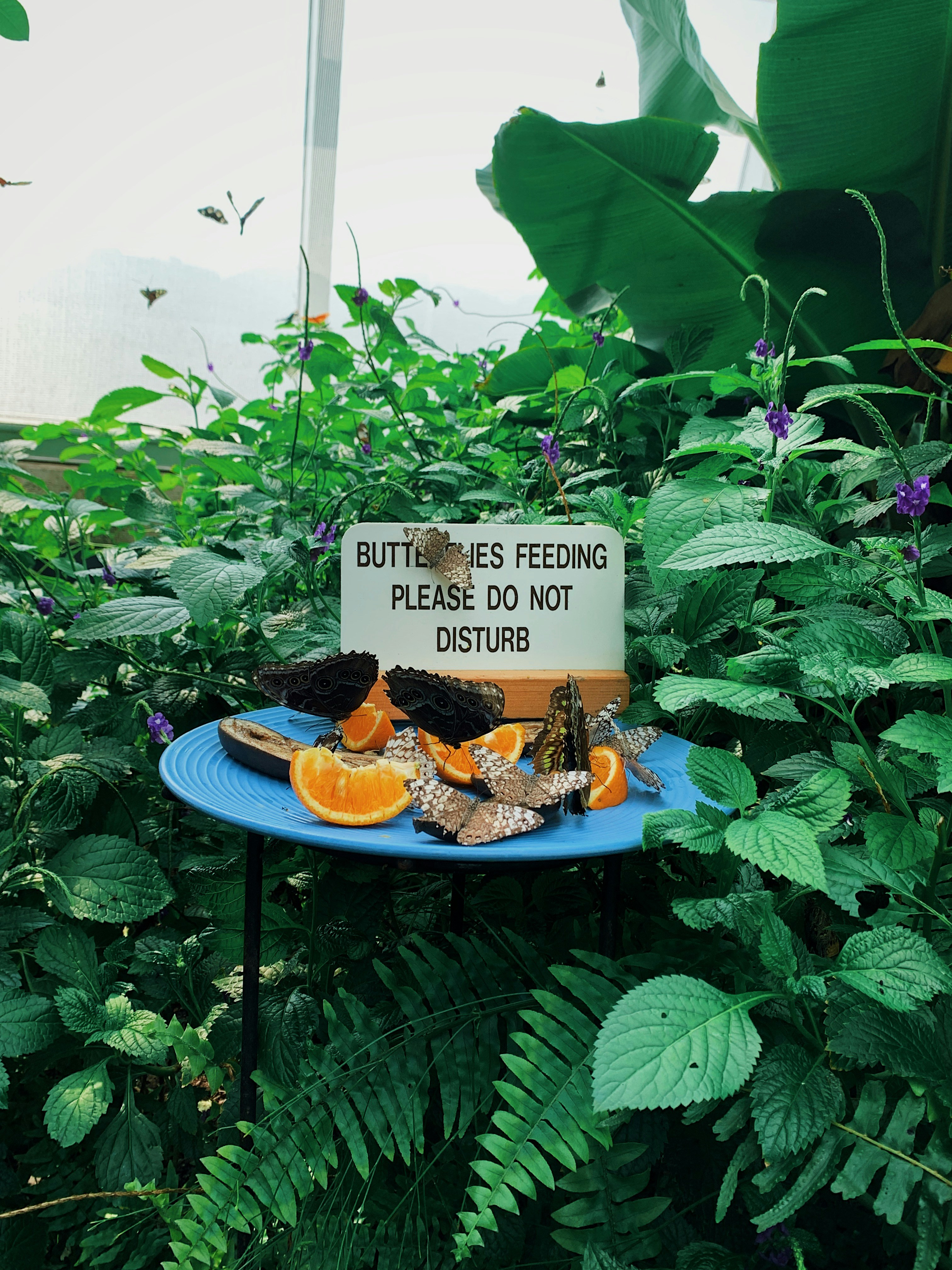
This image showcases a thriving garden ecosystem where lush green plants are surrounded by colorful butterflies and busy bees. It represents the beauty and harmony that can be achieved through natural pest control gardening practices.
By implementing natural pest control gardening techniques like companion planting, attracting beneficial insects like ladybugs or lacewings, and using organic pesticides, gardeners can effectively manage pests while maintaining a healthy and balanced ecosystem. This approach not only protects the environment but also promotes biodiversity and creates a more sustainable gardening system.
Essential Techniques for Natural Pest Control Gardening
Companion Planting: Creating Pest-Repelling Alliances
Companion planting is a clever technique that involves strategically placing plants next to each other to deter pests. For example, planting marigolds alongside tomatoes can repel nematodes, while growing basil near beans can keep aphids at bay. By harnessing the power of nature's alliances, gardeners can reduce the need for chemical pesticides and create a harmonious ecosystem in their gardens.
Beneficial Insects: Encouraging Nature's Pest Control Army
Nature has its own army of pest control agents - beneficial insects. Ladybugs, lacewings, and praying mantises are just a few examples of these helpful creatures that feed on garden pests. To attract them to your garden, you can plant flowers like daisies and yarrow that provide nectar and pollen for these insects. Additionally, creating insect-friendly habitats such as rock piles or small water sources can further encourage their presence.
Organic Pesticides: Homemade Remedies for Pest Management
When faced with stubborn pests, organic pesticides can be an effective alternative to harsh chemicals. Homemade remedies like garlic spray or neem oil can be easily concocted using common household ingredients. These natural solutions not only target specific pests but also minimize harm to beneficial insects and the environment as a whole.
Crop Rotation: Breaking the Pest Life Cycle
Crop rotation is a simple yet powerful technique that disrupts the life cycle of pests by alternating plant families in different areas of the garden each year. This prevents pests from establishing themselves in one location and reduces their overall impact on crops. For example, moving tomatoes to a different spot every season helps prevent the buildup of soil-borne diseases and pests specific to tomatoes.
Physical Barriers: Protecting Plants from Pest Invasion
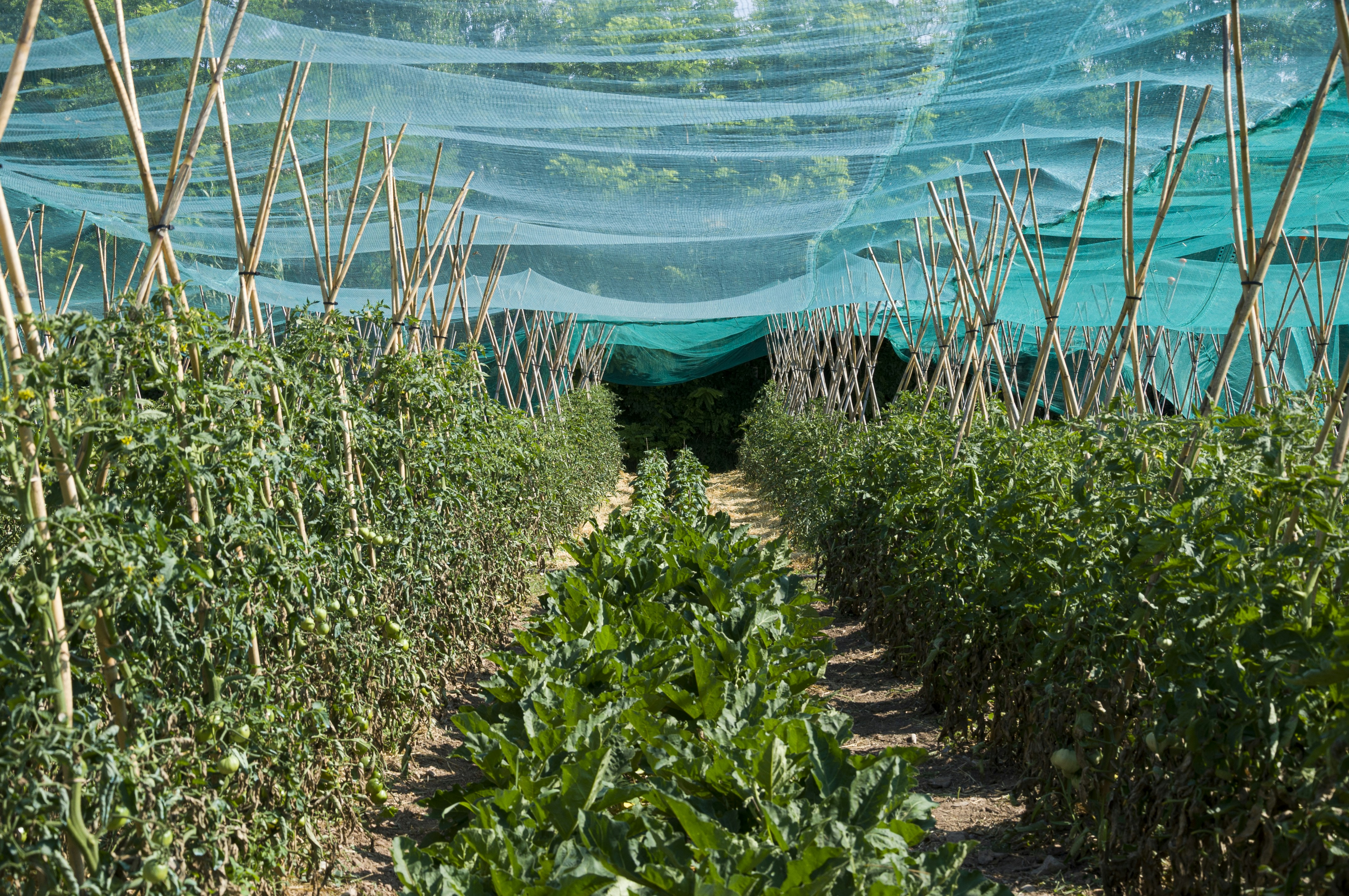
Sometimes, physical barriers are necessary to keep pesky pests away from your plants. Installing fences, netting, or row covers can safeguard crops from larger pests like rabbits or birds. Additionally, using mulch around the base of plants can act as a protective barrier against soil-dwelling pests and weeds. These physical defenses not only protect your plants but also maintain the integrity of your natural pest control gardening practices.
By implementing these essential techniques for natural pest control gardening, you can create a thriving garden while minimizing the use of harmful chemicals. Companion planting, encouraging beneficial insects, utilizing organic pesticides, practicing crop rotation, and employing physical barriers are all effective strategies that work together to create a balanced and sustainable ecosystem in your garden. Embrace the power of nature as your guide and enjoy the beauty of a pest-free garden that flourishes under your care.
Creating a Pest-Resistant Garden Design
Creating a pest-resistant garden design is crucial for maintaining a healthy and thriving garden without relying on harmful chemicals. By implementing these strategies, you can minimize pest damage and promote the overall well-being of your plants.
Selecting Pest-Resistant Plants
When choosing plants for your garden, opt for varieties that are naturally resistant to common pests in your area. These plants have evolved mechanisms to repel or deter pests, making them less susceptible to infestations. Examples of pest-resistant plants include marigolds, lavender, and rosemary.
Diversifying Plant Species
One effective way to prevent pest problems is by diversifying the plant species in your garden. Monoculture, or planting a large number of the same type of plant, can attract specific pests that thrive on that particular species. By mixing different types of plants together, you create a more balanced ecosystem that discourages pests from establishing themselves.
Proper Plant Spacing and Pruning Techniques
Proper plant spacing and pruning techniques are essential for reducing the risk of pest infestations. Overcrowded plants provide an ideal environment for pests to multiply and spread diseases. By giving each plant enough space to grow and allowing air circulation between them, you decrease the likelihood of pest-related issues.
Regular pruning also helps maintain healthy plants by removing diseased or damaged parts that can attract pests. Additionally, pruning encourages strong growth and enhances the overall appearance of your garden.
Maintaining Healthy Soil and Nutrient Levels
Healthy soil is the foundation for a thriving garden and plays a vital role in preventing pest problems. Ensure your soil is well-drained and rich in organic matter to support robust plant growth. Organic matter improves soil structure, promotes beneficial microbial activity, and enhances nutrient availability for plants.
Regularly test your soil's nutrient levels to ensure they are balanced and adequate for your plants' needs. Imbalances in nutrients can weaken plants and make them more susceptible to pest attacks. Adjusting nutrient levels through organic fertilizers, such as compost or manure, can help maintain a healthy garden ecosystem.
Natural Pest Control Gardening in Practice
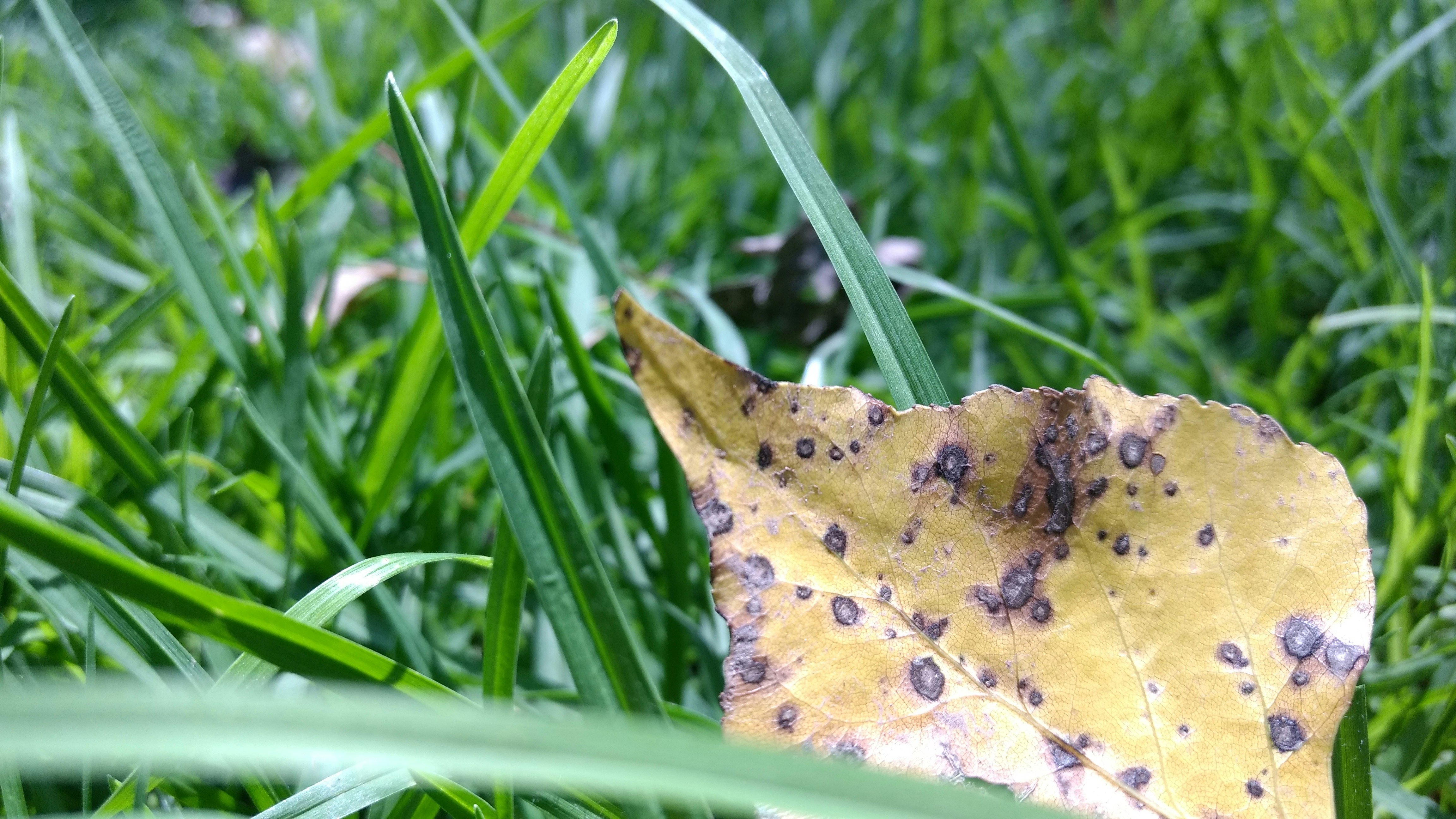
Identifying Common Garden Pests
In natural pest control gardening, it is crucial to be able to identify common garden pests. These pesky creatures can wreak havoc on your plants if left unchecked. Some common garden pests include aphids, caterpillars, slugs, snails, and spider mites. By familiarizing yourself with these pests and their distinctive characteristics, you can take appropriate measures to control their populations effectively.
Monitoring and Early Detection Methods
Monitoring your garden regularly is essential for early pest detection. By keeping a close eye on your plants, you can spot any signs of pest infestation before it becomes a full-blown problem. Look out for chewed leaves, discolored foliage, or wilting plants as these are often indicators of pest activity. Additionally, inspect the undersides of leaves where pests tend to hide.
Integrated Pest Management (IPM) Strategies
Integrated Pest Management (IPM) is a holistic approach to pest control that combines various techniques for optimal results. This strategy involves using a combination of natural methods such as companion planting, beneficial insects, organic pesticides, and physical barriers to manage pests effectively. By implementing IPM strategies in your garden, you can maintain a healthy balance between pests and beneficial organisms while minimizing the use of harmful chemicals.
Success Stories: Real-Life Experiences with Natural Pest Control
Many gardeners have successfully embraced natural pest control methods with impressive results. One success story involves a gardener who struggled with an aphid infestation on her roses. Instead of resorting to chemical pesticides that could harm beneficial insects, she introduced ladybugs into her garden as they are natural predators of aphids. Within weeks, the ladybugs had significantly reduced the aphid population without causing any harm to her plants.
By implementing the techniques outlined in this guide, you too can achieve success in natural pest control gardening. Identifying common garden pests, monitoring your plants regularly, utilizing integrated pest management strategies, and learning from real-life experiences will empower you to create a thriving garden while minimizing the use of harmful chemicals. Embrace the beauty of a balanced ecosystem and enjoy pest-free gardening with nature as your guide.
Sustainability and Long-Term Pest Control
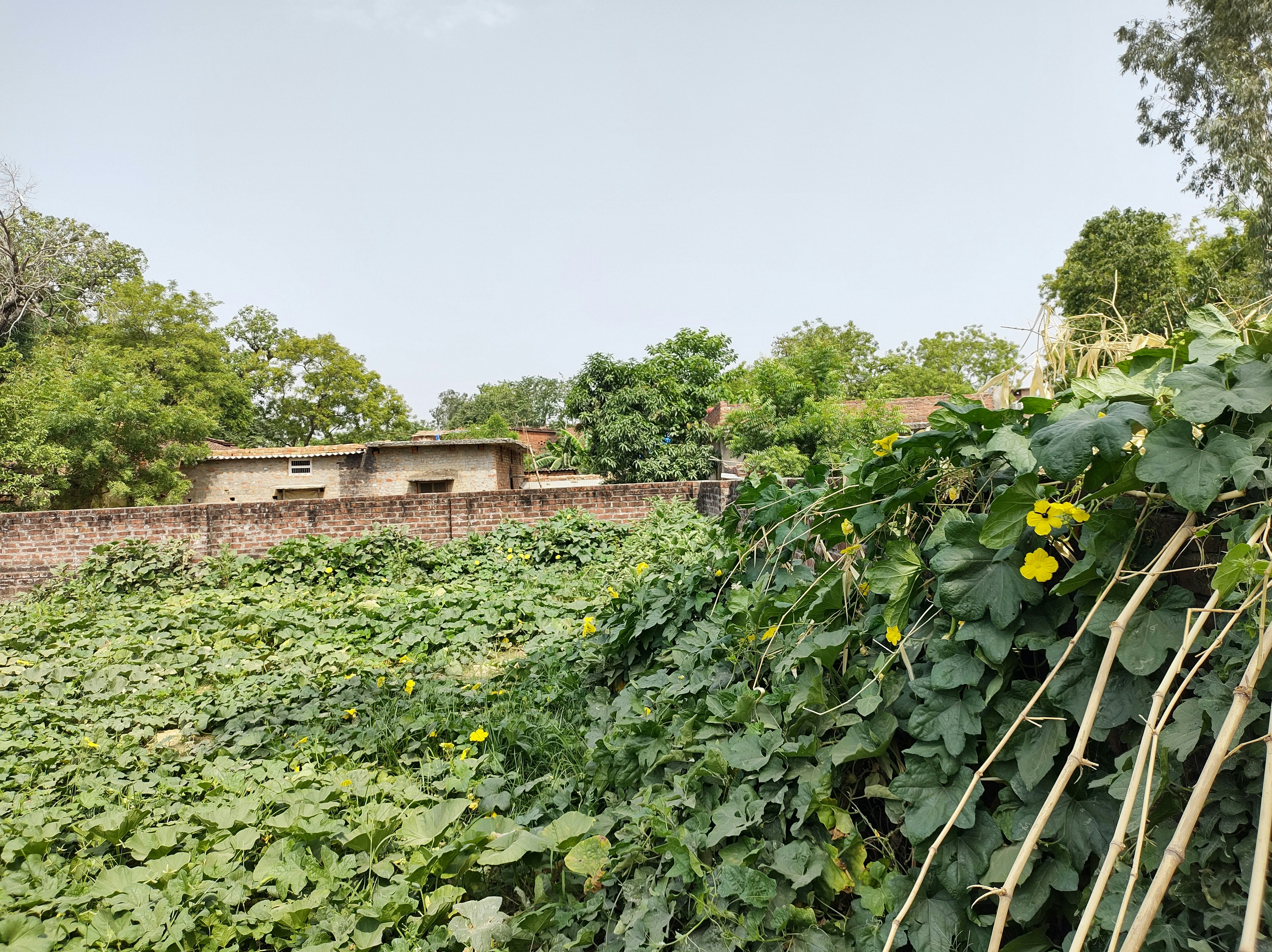
The Importance of Consistency in Pest Control Practices
Consistency is key when it comes to natural pest control gardening. By regularly implementing the techniques mentioned earlier, such as companion planting, encouraging beneficial insects, and using organic pesticides, you can maintain a balanced ecosystem in your garden. It's important to consistently monitor your plants for signs of pests and take immediate action to prevent infestations from spreading. By staying vigilant and consistent in your pest control practices, you can effectively manage pests without relying on harmful chemicals.
Encouraging Biodiversity for Natural Balance
One of the best ways to maintain long-term pest control is by encouraging biodiversity in your garden. By planting a diverse range of plant species, you create a natural balance that makes it harder for pests to establish themselves. Different plants attract different insects, some of which may prey on common garden pests. Additionally, diverse plantings provide a variety of habitats for beneficial insects and other organisms that contribute to natural pest control. Embracing biodiversity not only helps with pest management but also enhances the overall health and resilience of your garden.
Organic Fertilizers: Nurturing Plants for Resilience
In addition to implementing natural pest control techniques, nurturing your plants with organic fertilizers is crucial for long-term pest control success. Organic fertilizers provide essential nutrients that help plants grow strong and resilient against pests and diseases. They promote healthy soil ecosystems by feeding beneficial microorganisms that contribute to natural pest control processes. By avoiding synthetic fertilizers and opting for organic alternatives like compost or manure-based fertilizers, you can support the overall health of your plants while minimizing the risk of chemical buildup in your garden.
Conclusion
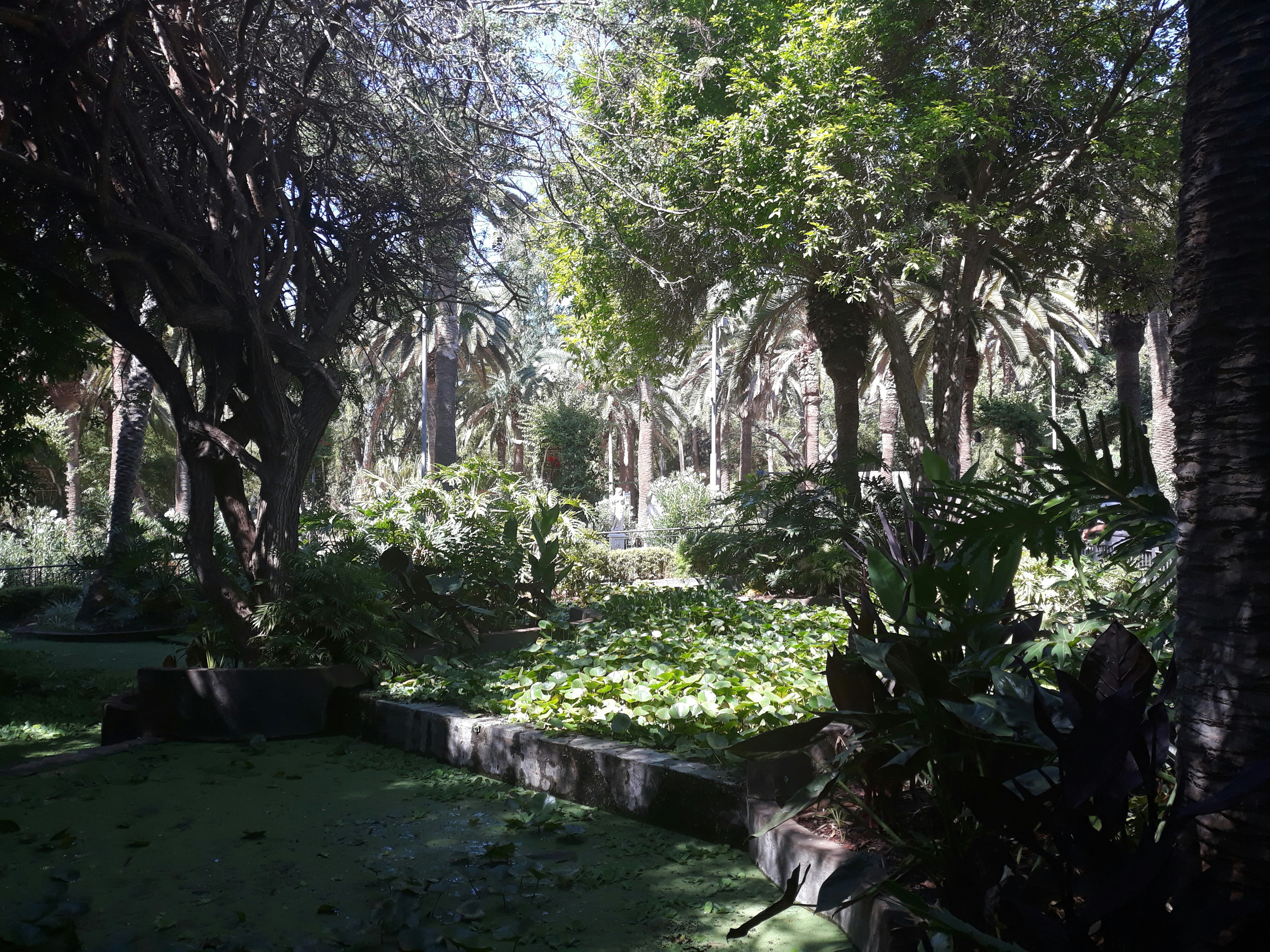
Empowering Gardeners with Effective Natural Pest Control Techniques
By implementing natural pest control gardening techniques, gardeners can take control of their gardens without relying on harmful chemical pesticides. These methods not only protect the environment but also promote a healthier ecosystem for plants and beneficial insects. With the knowledge and tools to combat pests naturally, gardeners can feel empowered to create thriving gardens that are pest-free.
Embracing the Beauty of a Balanced Ecosystem
Natural pest control gardening allows us to embrace the beauty of a balanced ecosystem where plants, insects, and other organisms coexist harmoniously. By avoiding chemical pesticides, we can encourage biodiversity and protect important pollinators like bees and butterflies. This approach not only benefits our gardens but also contributes to the overall health of our planet.
Enjoy Pest-Free Gardening with Nature as Your Guide
With natural pest control gardening techniques, we can enjoy the satisfaction of growing healthy plants without the constant battle against pests. By working with nature rather than against it, we can create an environment that naturally repels pests while supporting plant growth. So let's put down those harmful chemicals and let nature be our guide in achieving pest-free gardening success.