Introduction
Are you looking to enhance your gardening skills and grow your own fresh vegetables? Raised bed vegetable gardening is a fantastic option that offers numerous benefits. In this guide, we will explore the advantages of raised bed vegetable gardening, provide helpful tips to get started, and discuss the essential tools and materials you'll need.
Benefits of Raised Bed Vegetable Gardening
Raised bed vegetable gardening has become increasingly popular for several reasons. Firstly, it allows for better control over the soil quality, ensuring optimal growing conditions for your plants. Secondly, raised beds provide excellent drainage, preventing waterlogged roots and reducing the risk of root rot. Lastly, these gardens are easier to maintain and require less bending or kneeling, making them accessible to people with physical limitations.
Getting Started with Raised Bed Vegetable Gardening
Now that you're aware of the benefits, let's dive into how you can get started with raised bed vegetable gardening. Begin by selecting a suitable location for your garden beds based on factors such as sunlight exposure and accessibility. Next, determine the ideal size and height for your beds to maximize space efficiency while considering your own comfort level.
Essential Tools and Materials for Raised Bed Vegetable Gardening
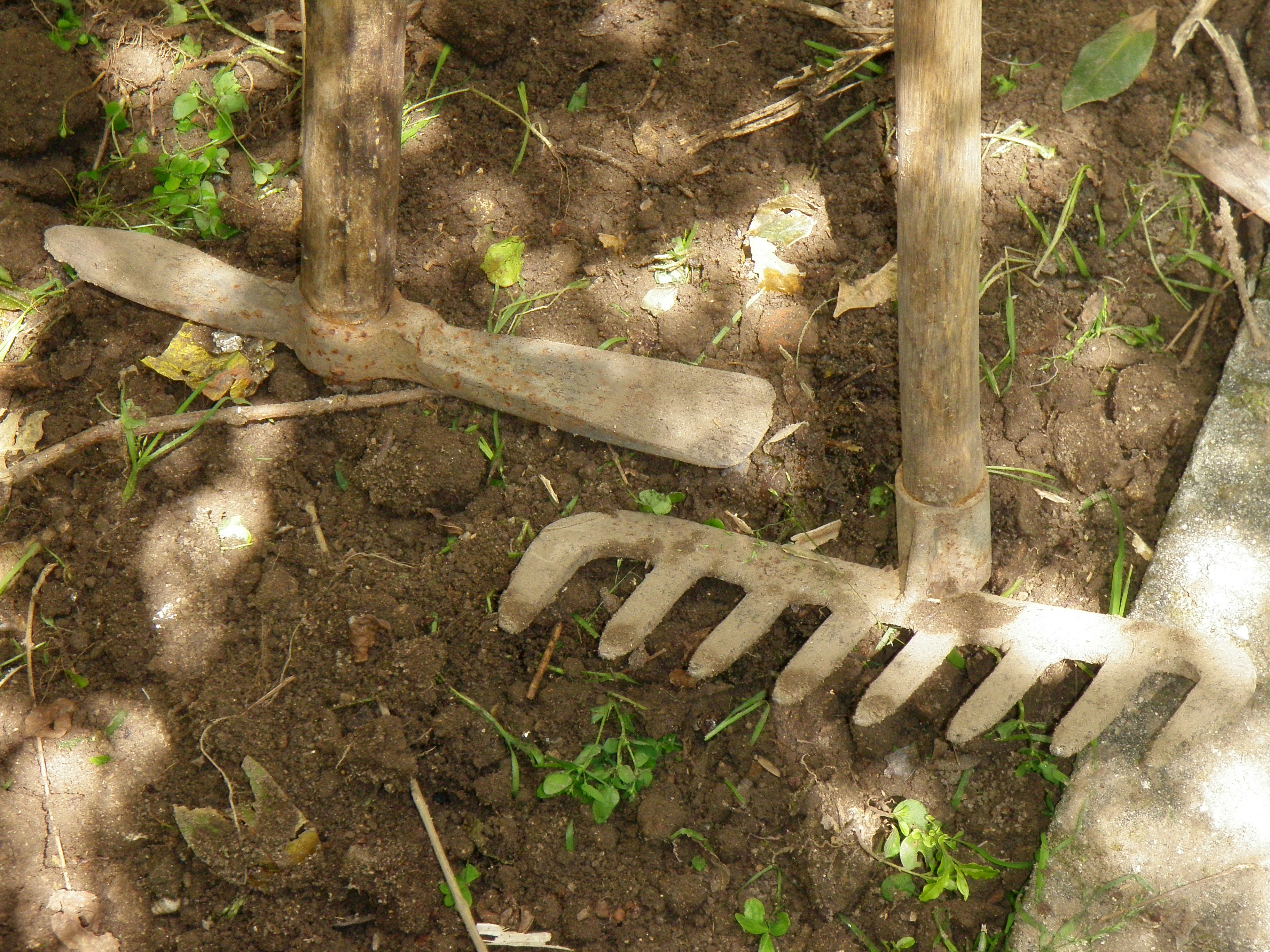
To embark on your raised bed vegetable gardening journey successfully, you'll need a few essential tools and materials. These include a sturdy garden fork or tiller for preparing the soil, a rake or hoe for leveling the surface, a tape measure or string for marking out your bed dimensions accurately, high-quality soil mix or compost to fill the beds, and durable lumber or prefabricated kits to construct the raised bed frames.
With these key components in place, you're well on your way to creating a thriving raised bed vegetable garden. Let's continue exploring the process by moving on to choosing the right location for your beds.
Choosing the Right Location
When it comes to raised bed vegetable gardening, choosing the right location is crucial for the success of your plants. Here are some important factors to consider:
Assessing Sunlight and Drainage Needs
One of the first things you need to assess is the amount of sunlight your chosen location receives. Most vegetables require at least six hours of direct sunlight each day, so make sure your raised bed will be placed in an area that gets adequate sunlight. Additionally, consider the drainage needs of your plants. Raised beds can help improve drainage, but it's still important to choose a location that doesn't have poor drainage issues.
Considering Accessibility and Aesthetics
Another factor to keep in mind is accessibility. You'll want to choose a location that is easily accessible for watering, weeding, and harvesting your vegetables. Consider placing your raised bed near a water source and within reach of gardening tools. Additionally, think about the aesthetics of your garden space. Choose a location that enhances the overall look of your outdoor area and complements other elements like pathways or existing landscaping.
Maximizing Space Efficiency
When selecting a location for your raised bed, it's important to maximize space efficiency. Take into account any existing structures or obstacles that may limit the available space for your garden. Look for areas where you can optimize vertical growing by using trellises or stakes for vining vegetables like tomatoes or cucumbers. By making the most of every inch of space, you can grow a larger variety of vegetables in your raised beds.
Building and Preparing the Raised Bed
Raised bed vegetable gardening requires careful planning and preparation to ensure optimal growth and productivity. This section will guide you through selecting the ideal bed size and height, constructing the bed frame, and preparing the soil for planting.
Selecting the Ideal Bed Size and Height
When choosing the size of your raised bed, consider the space available in your garden and your gardening needs. A bed that is 4 feet wide allows for easy access from both sides, while a length of 8 to 12 feet provides ample space for a variety of vegetables. As for height, a raised bed that is at least 12 inches tall allows for proper root development and drainage.
Constructing the Bed Frame
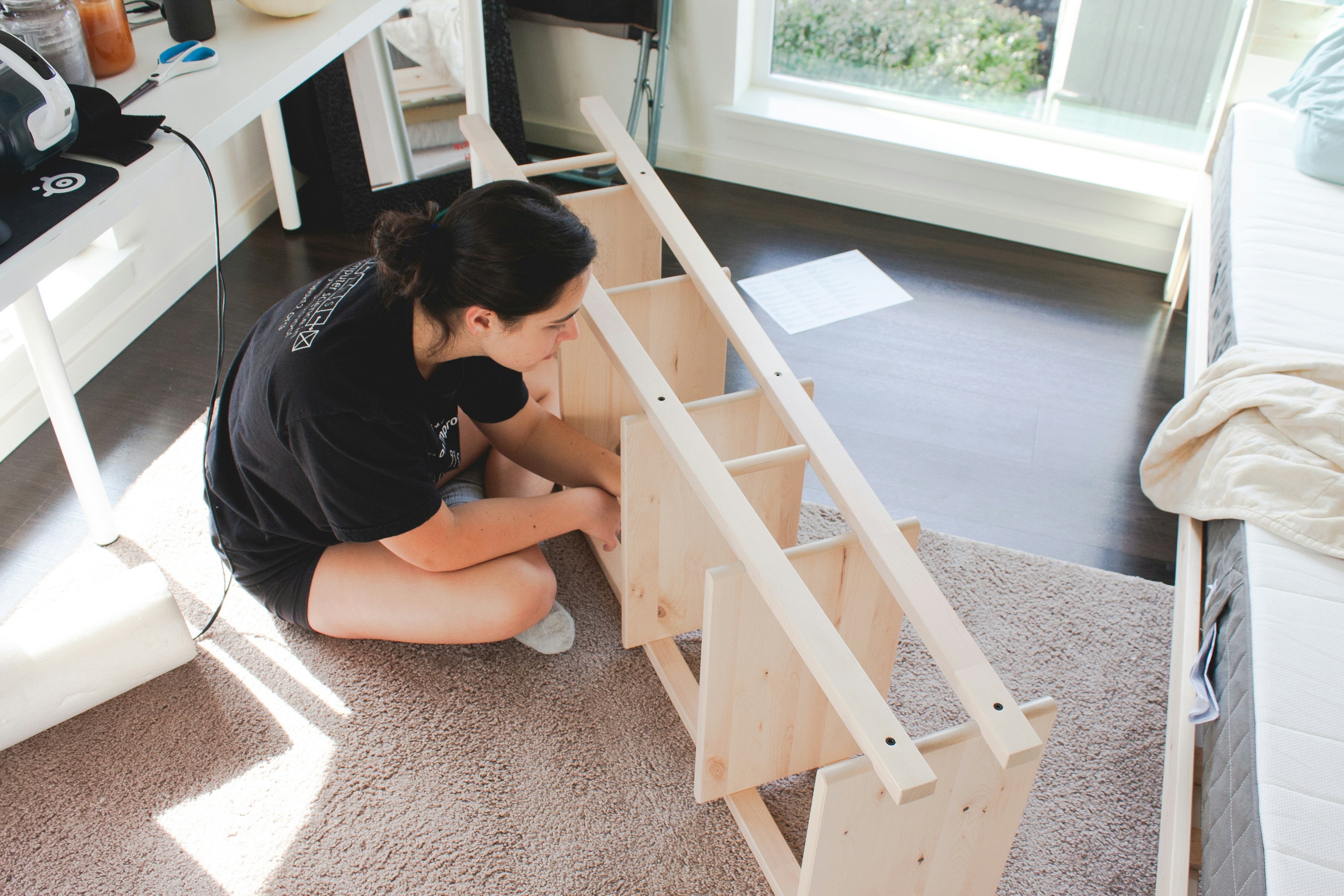
Constructing a sturdy bed frame is essential for the longevity of your raised bed. Use rot-resistant materials such as cedar or pressure-treated lumber to prevent decay over time. Start by measuring and cutting the boards according to your desired dimensions. Then, assemble them using screws or nails, ensuring that all corners are square and secure.
Preparing the Soil for Planting
Before filling your raised bed with soil, it's important to prepare it properly to create an ideal growing environment for your vegetables. Begin by removing any grass or weeds from the area where you will place your raised bed frame. Next, loosen the existing soil with a garden fork or tiller to improve drainage and root penetration.
To enrich the soil, add organic matter such as compost or well-rotted manure. Spread a layer of about 2-3 inches evenly over the surface of your raised bed area. Mix it into the existing soil using a garden fork or tiller until it is well incorporated.
Selecting and Planting Vegetables
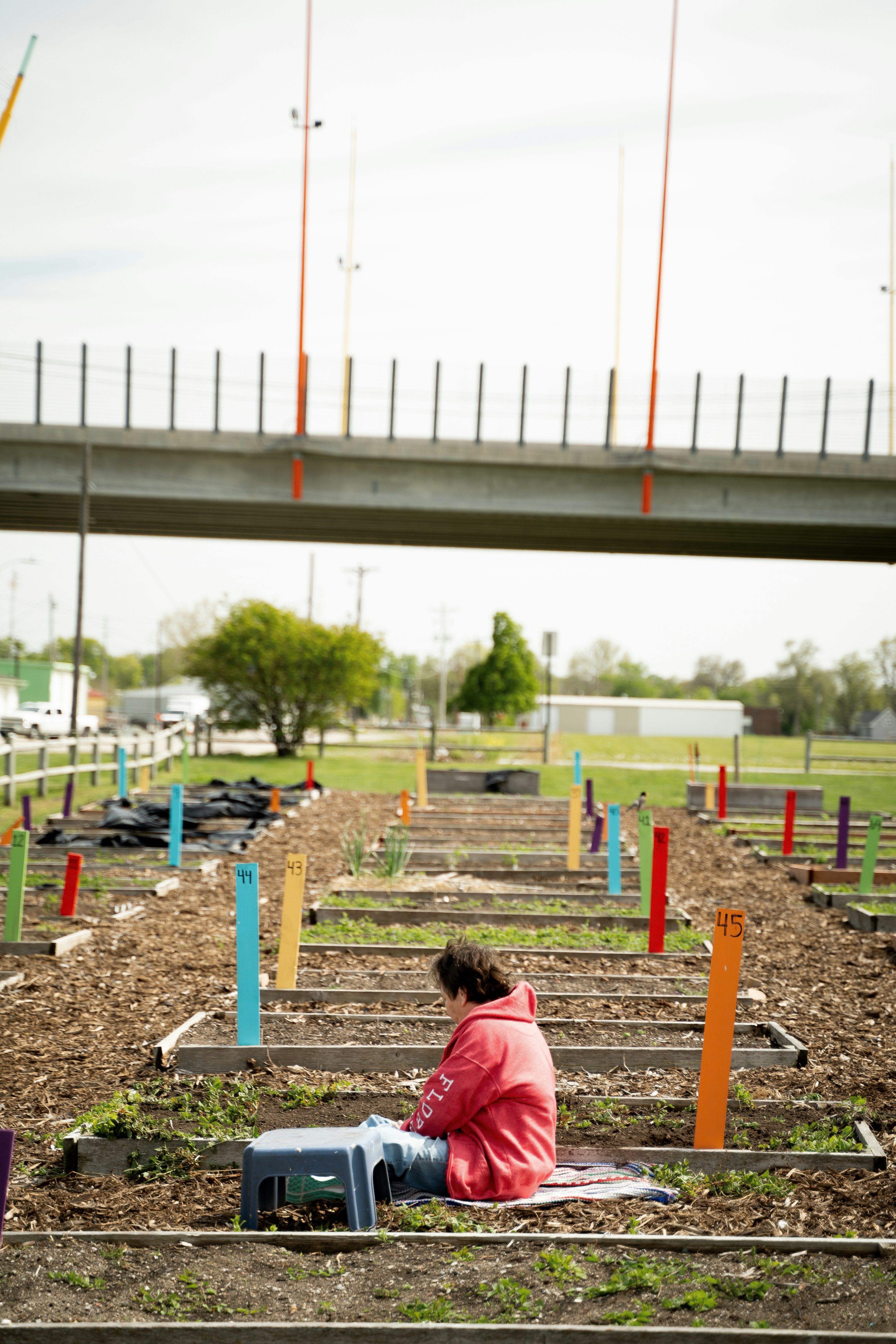
When it comes to raised bed vegetable gardening, selecting the right vegetable varieties is crucial for a successful harvest. Choose plants that are well-suited for raised beds, such as compact or dwarf varieties that won't overcrowd the limited space. Look for vegetables that have a shorter growing season, as they will thrive in the warmer soil of raised beds. Some great options include tomatoes, peppers, lettuce, carrots, and herbs. Remember to consider your climate and the amount of sunlight your raised bed receives when choosing your vegetable varieties.
Planning and arranging your plants in the raised bed is an important step to maximize space efficiency and ensure proper growth. Start by sketching out a layout of your bed, taking into account the height and spread of each plant. Group together vegetables with similar watering and sunlight requirements to make maintenance easier. Consider planting taller plants on the north side of the bed to prevent shading smaller plants. By carefully planning your arrangement, you can create a visually appealing and productive raised bed garden.
Proper planting techniques are essential for ensuring healthy growth in raised beds. Start by preparing the soil by removing any weeds or debris and loosening it with a garden fork or tiller. Add compost or organic matter to improve soil fertility and drainage. When planting seedlings or transplants, dig a hole slightly larger than the root ball and gently place the plant in it. Firmly press down around the base of the plant to eliminate air pockets. Water thoroughly after planting to help settle the soil around the roots.
By following these steps for selecting vegetable varieties, planning your layout, and using proper planting techniques in your raised beds, you'll be well on your way to a bountiful harvest. Remember to choose varieties that are suited for raised beds, plan your layout strategically, and give your plants a healthy start by planting them correctly. Happy gardening!
Word count: 261
Maintaining and Caring for the Raised Bed
Raised bed vegetable gardening requires regular maintenance to ensure healthy plant growth and bountiful harvests. Here are some essential tasks to keep your raised bed thriving:
Providing Adequate Watering and Drainage
Watering is crucial for the success of your raised bed garden. It's important to provide consistent moisture without overwatering. Monitor the soil moisture by sticking your finger about an inch deep into the soil. If it feels dry, it's time to water.
To ensure proper drainage, make sure your raised bed has sufficient drainage holes or gravel at the bottom. This will prevent waterlogging, which can lead to root rot and other plant diseases.
Controlling Weeds and Pests in Raised Beds
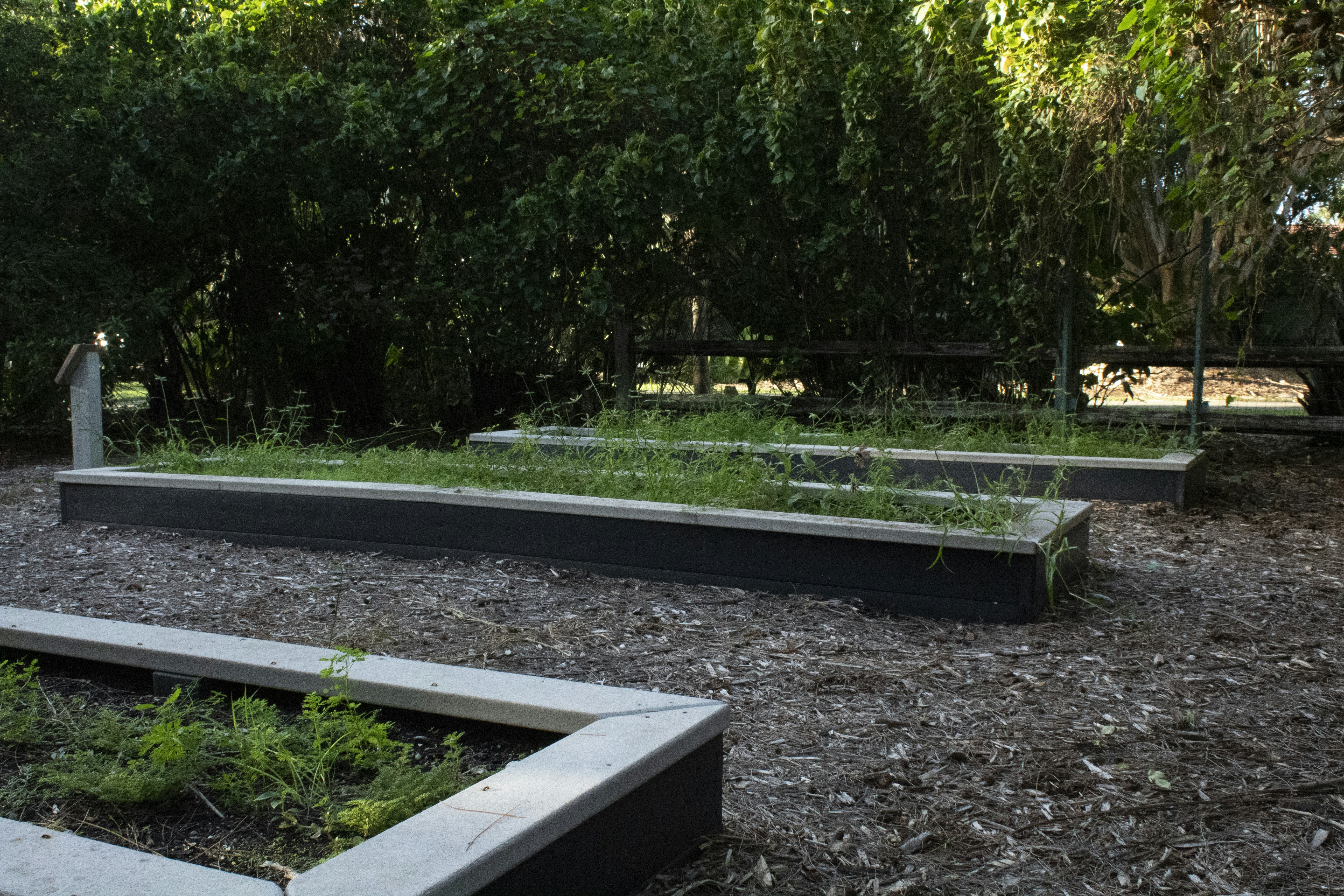
Weeds can quickly take over a raised bed garden if left unchecked. Regularly inspect your garden for any signs of weed growth and promptly remove them by hand or with a small garden tool.
Pests can also pose a threat to your vegetable plants. Keep an eye out for common pests such as aphids, slugs, and caterpillars. Consider using organic pest control methods like companion planting or introducing beneficial insects to keep pests at bay.
Fertilizing and Mulching to Promote Growth
Proper fertilization is essential for providing necessary nutrients to your plants. Use organic fertilizers like compost or well-rotted manure to enrich the soil in your raised beds. Apply fertilizer according to package instructions or consult with a local gardening expert for guidance.
Mulching helps conserve moisture, suppress weeds, and regulate soil temperature in your raised beds. Apply a layer of organic mulch such as straw or wood chips around your plants, ensuring not to cover the plant stems directly.
Remember, regular maintenance and care are key to a successful raised bed vegetable garden. With proper watering, weed control, and fertilization, you'll be rewarded with a vibrant and productive garden throughout the growing season.
Extending the Growing Season
To truly maximize the benefits of raised bed vegetable gardening, it's important to extend the growing season and enjoy fresh produce year-round. This section will explore various strategies for achieving this goal.
Utilizing Season Extenders for Year-Round Gardening
One effective way to extend the growing season is by utilizing season extenders such as row covers, cold frames, and hoop houses. These structures provide a protective barrier against frost, wind, and other harsh weather conditions, allowing plants to thrive even in colder months. By using season extenders strategically, you can start planting earlier in the spring and continue harvesting well into fall or even winter.
Protecting Plants from Frost and Cold
Frost can be a gardener's worst enemy, but with raised beds, you have an advantage. The elevated height of the beds helps to prevent cold air from settling around your plants. However, during particularly chilly nights or unexpected frosts, it's still crucial to protect your vegetables. Covering them with blankets or using frost cloths can provide an extra layer of insulation and shield them from freezing temperatures.
Harvesting and Storing Vegetables in Raised Beds
When it comes time to harvest your vegetables from the raised beds, proper handling and storage are key to preserving their freshness and flavor. Be sure to harvest at the right time when the vegetables are at their peak ripeness. Use sharp garden shears or a knife to avoid damaging the plants.
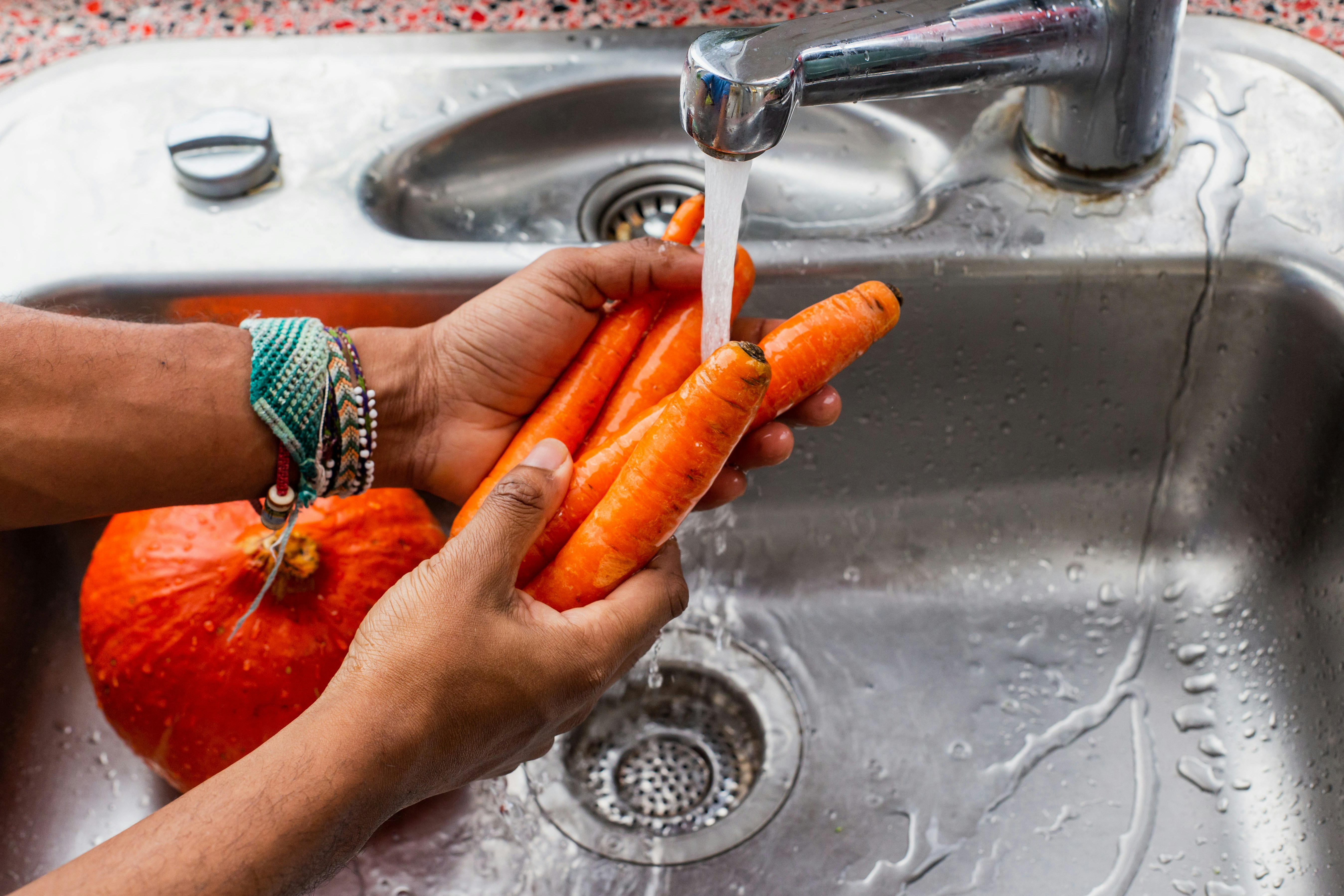
After harvesting, gently clean off any dirt or debris from the vegetables before storing them in a cool and dry place. Some vegetables can be stored directly in the raised beds if protected from pests by covering them with netting or screens. Others may require refrigeration or specific storage conditions.
By utilizing these strategies for extending the growing season in your raised bed vegetable garden, you can enjoy a bountiful harvest throughout the year. With careful planning and proper care, your raised beds will continue to provide you with an abundance of homegrown produce, regardless of the season. So get creative, experiment with different techniques, and embrace the joy and rewards of raised bed vegetable gardening.
Conclusion
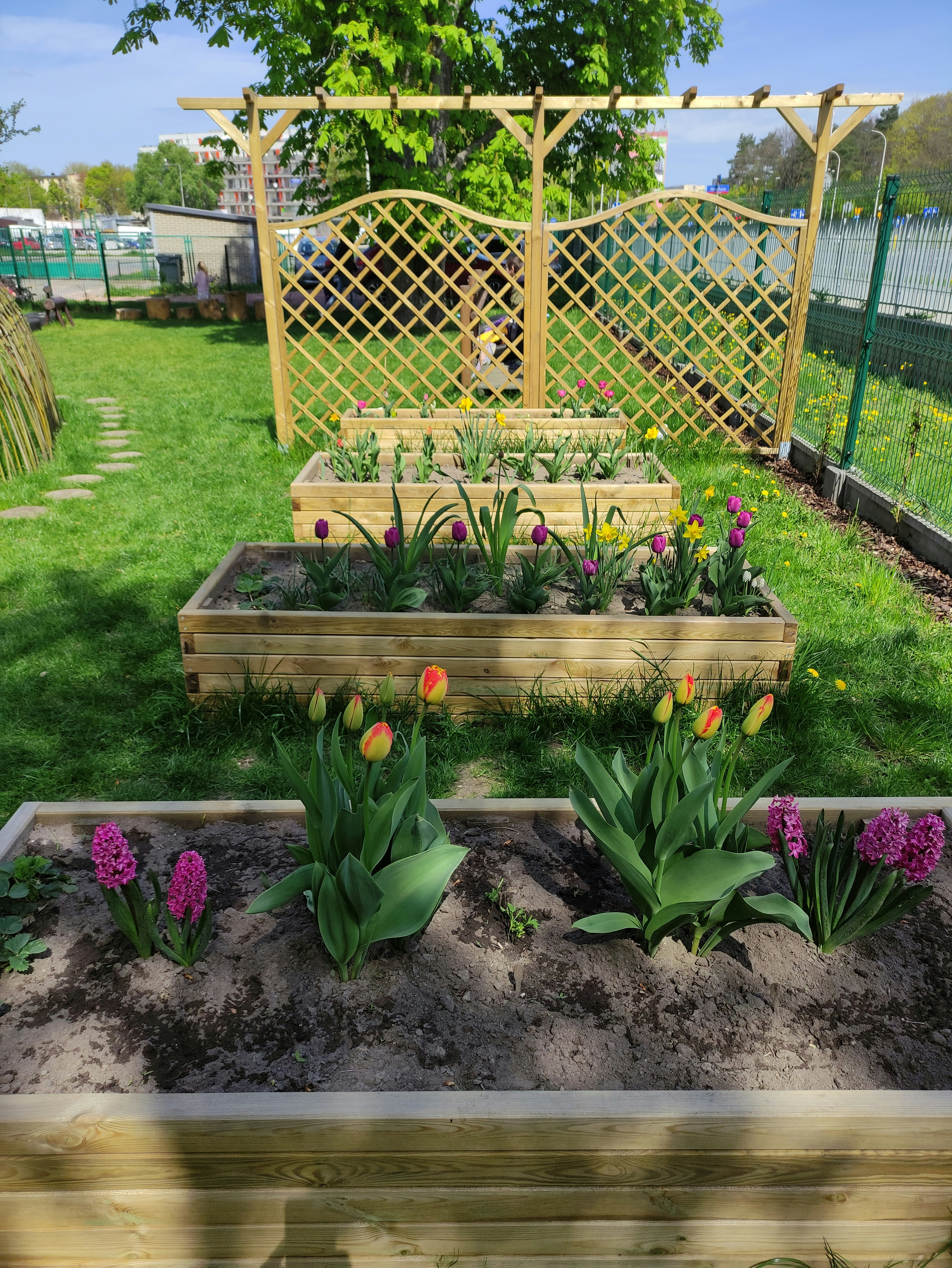
Raised bed vegetable gardening offers a multitude of benefits, making it an excellent choice for any gardener. Not only does it provide an abundance of homegrown produce, but it also allows for gardening success with its efficient use of space and customizable features. By embracing the joy and rewards of raised bed vegetable gardening, you can create a thriving garden that brings you immense satisfaction.
Enjoy the Abundance of Homegrown Produce
One of the greatest joys of raised bed vegetable gardening is the ability to enjoy a bountiful harvest right from your own backyard. With careful planning and proper care, your raised beds can yield an abundance of fresh and flavorful vegetables throughout the growing season. Imagine plucking ripe tomatoes, crisp lettuce, and vibrant peppers just steps away from your kitchen. The satisfaction of savoring homegrown produce is truly unparalleled.
Achieve Gardening Success with Raised Beds
Raised beds provide optimal growing conditions for plants, allowing you to achieve gardening success even if you're a beginner or have limited space. The controlled environment in raised beds helps to prevent soil compaction, improve drainage, and regulate temperature fluctuations. With proper soil preparation and regular maintenance, you can create an ideal habitat for your vegetables to thrive and flourish. Raised beds offer a practical solution for those seeking a productive and rewarding gardening experience.
Embrace the Joy and Rewards of Raised Bed Vegetable Gardening
Beyond the tangible benefits, raised bed vegetable gardening brings immense joy and satisfaction to gardeners. The process of planning, planting, nurturing, and harvesting creates a deep connection with nature that is both therapeutic and fulfilling. Watching your plants grow from tiny seeds into robust vegetables is a truly rewarding experience that fills you with pride and accomplishment. Embrace the joy that comes with tending to your raised bed garden – it's not just about the end result but also about enjoying every step along the way.