Introduction
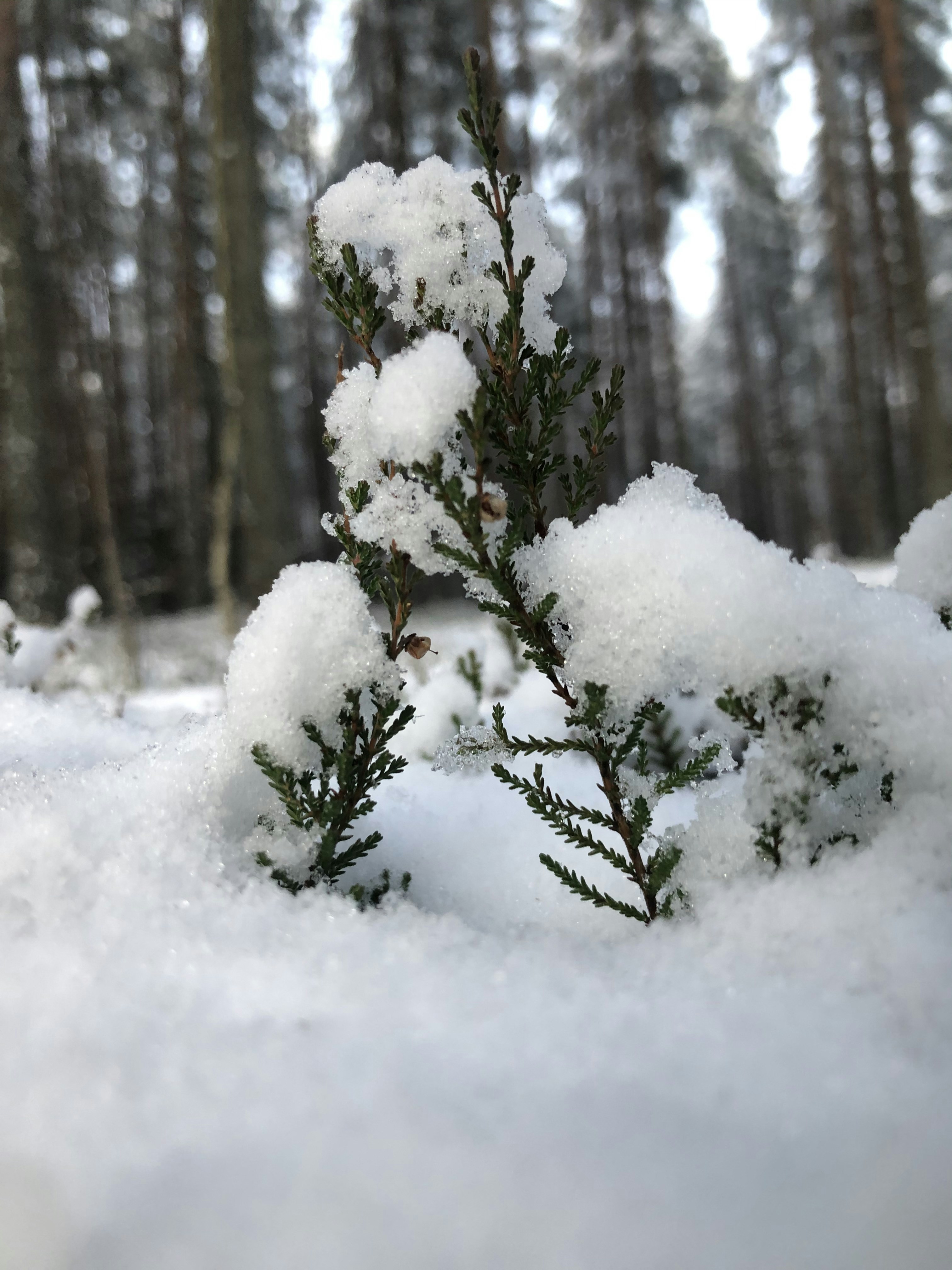
Winter Gardening in a Chilly Climate: Tips and Tricks
Welcome to the world of winter gardening in a chilly climate! While many may think that gardening is only for the warmer months, with the right knowledge and strategies, you can enjoy a vibrant garden even during the coldest season. In this guide, we will explore various tips and tricks to help you successfully navigate winter gardening in a cold climate. From preparing your garden for winter to choosing cold-resistant plants, maximizing sunlight, providing adequate water and drainage, protecting plants from frost and snow, and maintaining a healthy garden, we've got you covered. So grab your gardening gloves and let's dive into the wonderful world of winter gardening!
1: Preparing the Garden for Winter
As the cold weather approaches, it's essential to prepare your garden for winter to ensure its health and vitality come springtime. Here are some important steps to take:
Clearing out summer plants and debris
Before winter sets in, it's crucial to clear out any remaining summer plants and debris from your garden beds. Remove annual flowers that have finished blooming and any dead or decaying vegetation. This will prevent diseases and pests from overwintering in your garden.
Protecting delicate plants with mulch or coverings
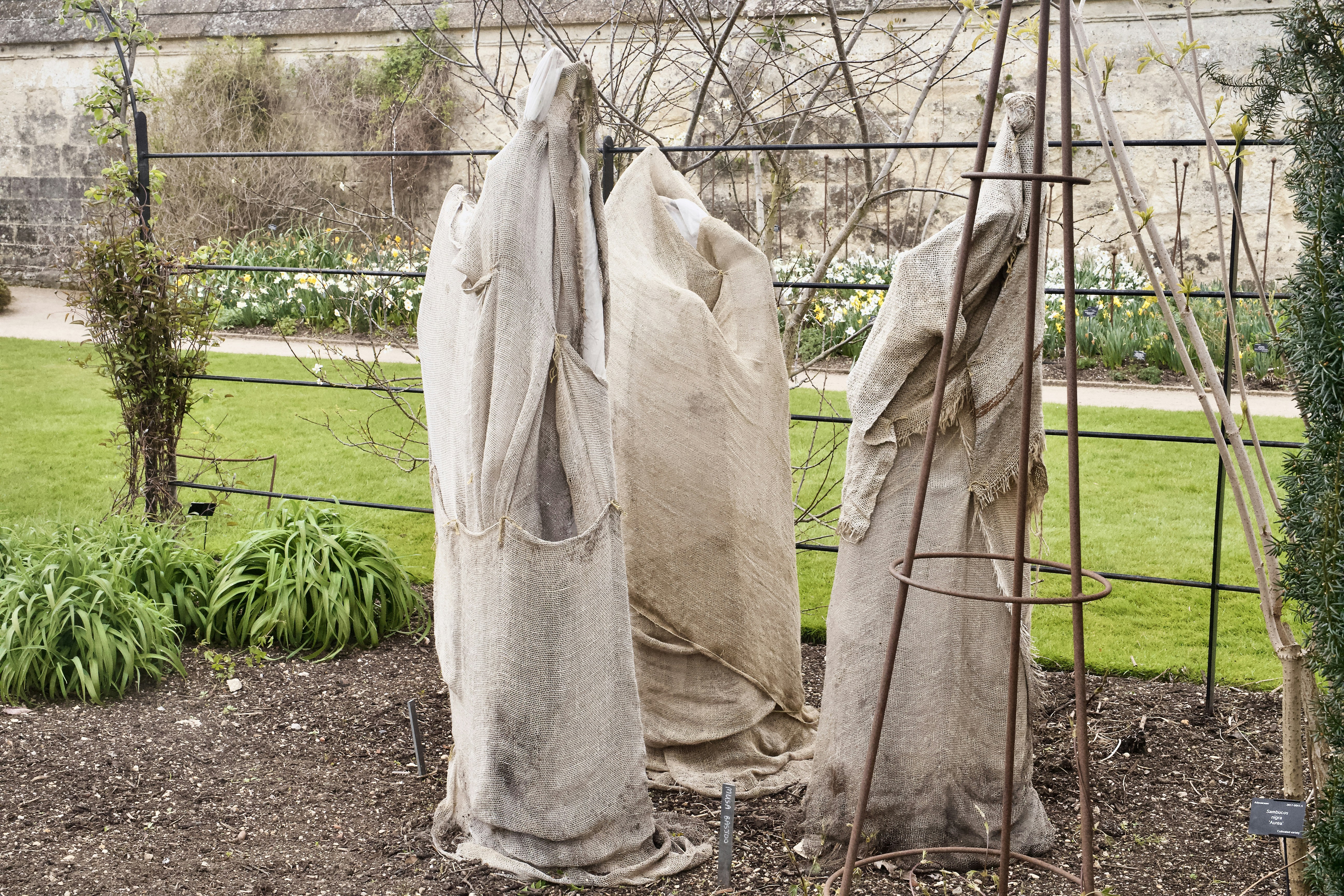
Delicate plants that are susceptible to frost damage should be protected with mulch or coverings. Apply a layer of mulch around the base of these plants to insulate their roots and retain moisture. For added protection, consider using frost blankets or cloths to cover them during particularly cold nights.
Winterizing irrigation systems
To prevent damage from freezing temperatures, it's essential to winterize your irrigation systems. Drain all hoses, sprinklers, and irrigation lines to remove any excess water that could freeze and cause pipes to burst. Store them indoors until spring when they can be used again.
By following these steps, you'll ensure that your garden is well-prepared for the challenges of winter while setting the stage for a vibrant and thriving garden in the coming seasons.
Remember: A little preparation now goes a long way in maintaining a healthy winter garden!
(Note: The word count of this section is approximately 200 words)
2: Choosing Cold-Resistant Plants
When it comes to winter gardening in a cold climate, choosing the right plants is essential for a successful and vibrant garden. Here are three categories of cold-resistant plants that will thrive even in chilly temperatures.
Hardy perennials for winter interest
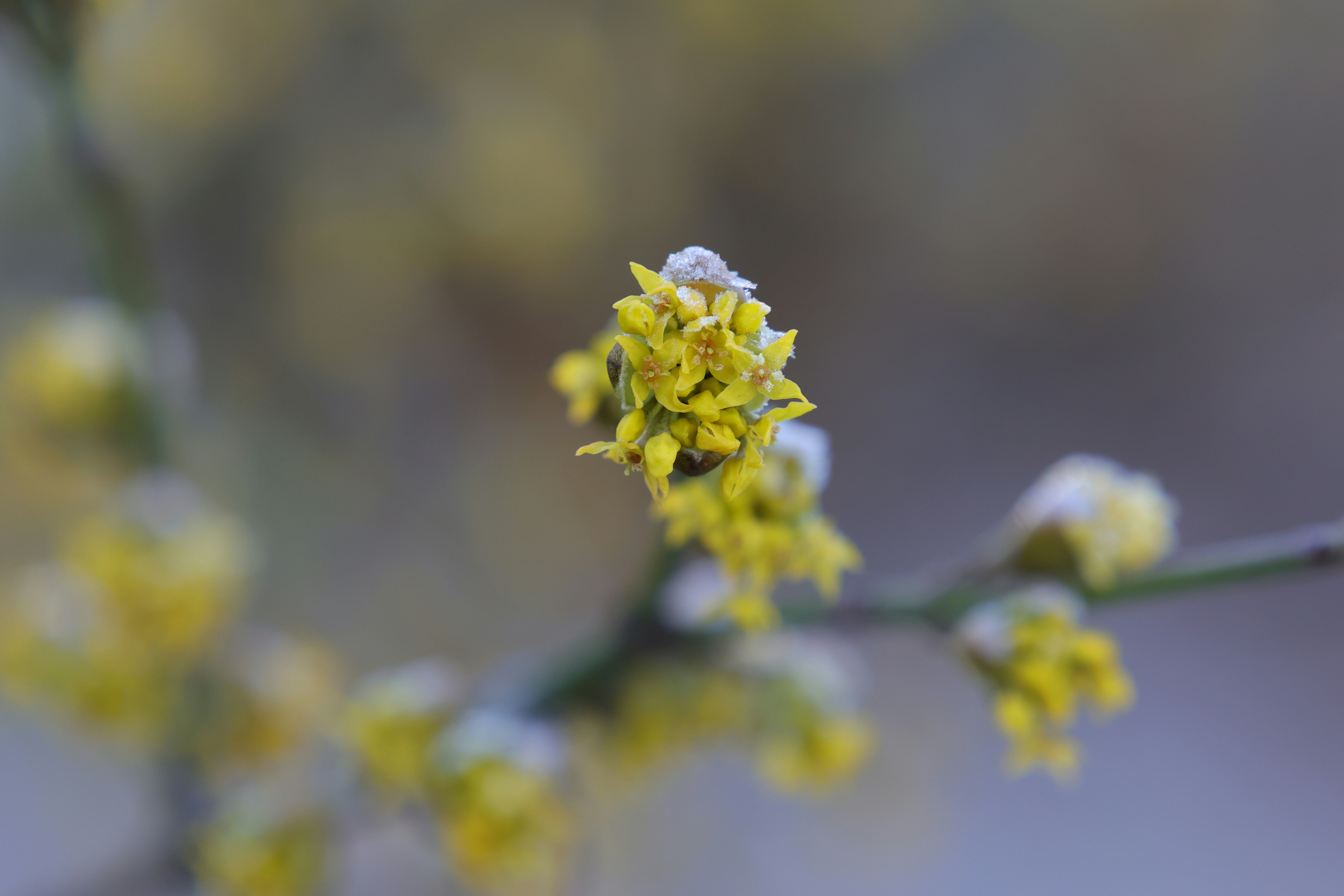
Hardy perennials are the backbone of any winter garden, providing year-round interest and color. Some popular options include hellebores, also known as Christmas roses, which bloom in shades of pink, white, and purple during the winter months. Another great choice is the witch hazel, with its vibrant yellow or red flowers that bloom from late fall to early spring. Lastly, don't forget about ornamental grasses like feather reed grass or switchgrass, which add texture and movement to your garden even in the coldest months.
Cold-tolerant vegetables for winter harvest
If you're a fan of fresh produce all year round, consider planting cold-tolerant vegetables in your winter garden. Leafy greens like kale and Swiss chard can withstand frost and continue growing throughout the winter. Root vegetables such as carrots and parsnips also thrive in colder temperatures and can be harvested as needed throughout the season. Additionally, Brussels sprouts are an excellent choice for winter gardening as they actually taste sweeter after being exposed to frost.
Evergreen shrubs for year-round beauty
Evergreen shrubs are a fantastic addition to any winter garden as they provide structure and greenery when other plants have gone dormant. Boxwood shrubs are a classic choice with their dense foliage and ability to withstand harsh winters. Yews are another popular option with their dark green needles that create a striking contrast against a snowy backdrop. For added interest, consider planting variegated varieties like Euonymus fortunei 'Emerald Gaiety', which features green leaves edged with white.
Choosing the right plants for your winter garden is crucial to ensure a beautiful and thriving outdoor space even in the coldest months. Hardy perennials, cold-tolerant vegetables, and evergreen shrubs are all excellent options that will add interest and beauty to your garden. Embrace the challenge of winter gardening and enjoy the rewards of a vibrant landscape all year round.
3: Maximizing Sunlight in Winter

During the winter months, when sunlight is scarce, it's essential to maximize the available sunlight in your garden to promote plant growth and health. Here are some tips to help you make the most of the limited sunlight:
Positioning plants to catch available sunlight
When planning your winter garden, consider the position of each plant carefully. Place taller plants towards the north side of your garden beds, ensuring they don't cast shadows on smaller ones. This way, all plants will have a fair chance to receive as much sunlight as possible throughout the day.
Using reflective surfaces to increase light
Another way to increase the amount of light reaching your plants is by utilizing reflective surfaces strategically. Place white or light-colored stones or pebbles around your garden beds or use mirrors strategically positioned against walls or fences to bounce more light onto your plants. This simple trick can help amplify the available sunlight and benefit your winter garden.
Pruning trees to allow more light to reach the garden
If you have trees surrounding your garden that block out a significant amount of sunlight during winter, consider pruning them strategically. Trimming back branches that obstruct sunlight can make a noticeable difference in how much light reaches your garden beds. However, be sure not to remove too much foliage, as trees also provide shelter and protection for delicate plants during harsh weather conditions.
By following these tips for maximizing sunlight in your winter garden, you'll create an environment where plants can thrive despite the chilly climate.
Now let's move on to the next section: Providing Adequate Water and Drainage.
4: Providing Adequate Water and Drainage
To ensure the health of your winter garden in a cold climate, it is crucial to provide adequate water and proper drainage. This section will discuss some essential tips for maintaining the right moisture levels during the winter months.
Preventing waterlogged soil with proper drainage
One of the main challenges in winter gardening is preventing waterlogged soil, which can lead to root rot and other issues. To avoid this, it's important to ensure proper drainage in your garden beds. You can achieve this by incorporating organic matter into the soil, such as compost or well-rotted manure, which improves its structure and allows excess water to drain away.
Additionally, consider creating raised beds or mounding the soil slightly to promote better drainage. This helps prevent water from pooling around plant roots and ensures that they have access to oxygen.
Watering less frequently but deeply during winter
During the winter months, plants require less frequent watering compared to other seasons. However, it's important to water deeply when you do irrigate your garden. This encourages plants to develop deep root systems that can access moisture stored deeper in the soil.
To determine when it's time to water, check the moisture level by inserting your finger about an inch into the soil. If it feels dry at that depth, it's time to water. Remember that overwatering can be just as detrimental as underwatering, so always monitor your plants' needs closely.
Using rain barrels to collect and store water
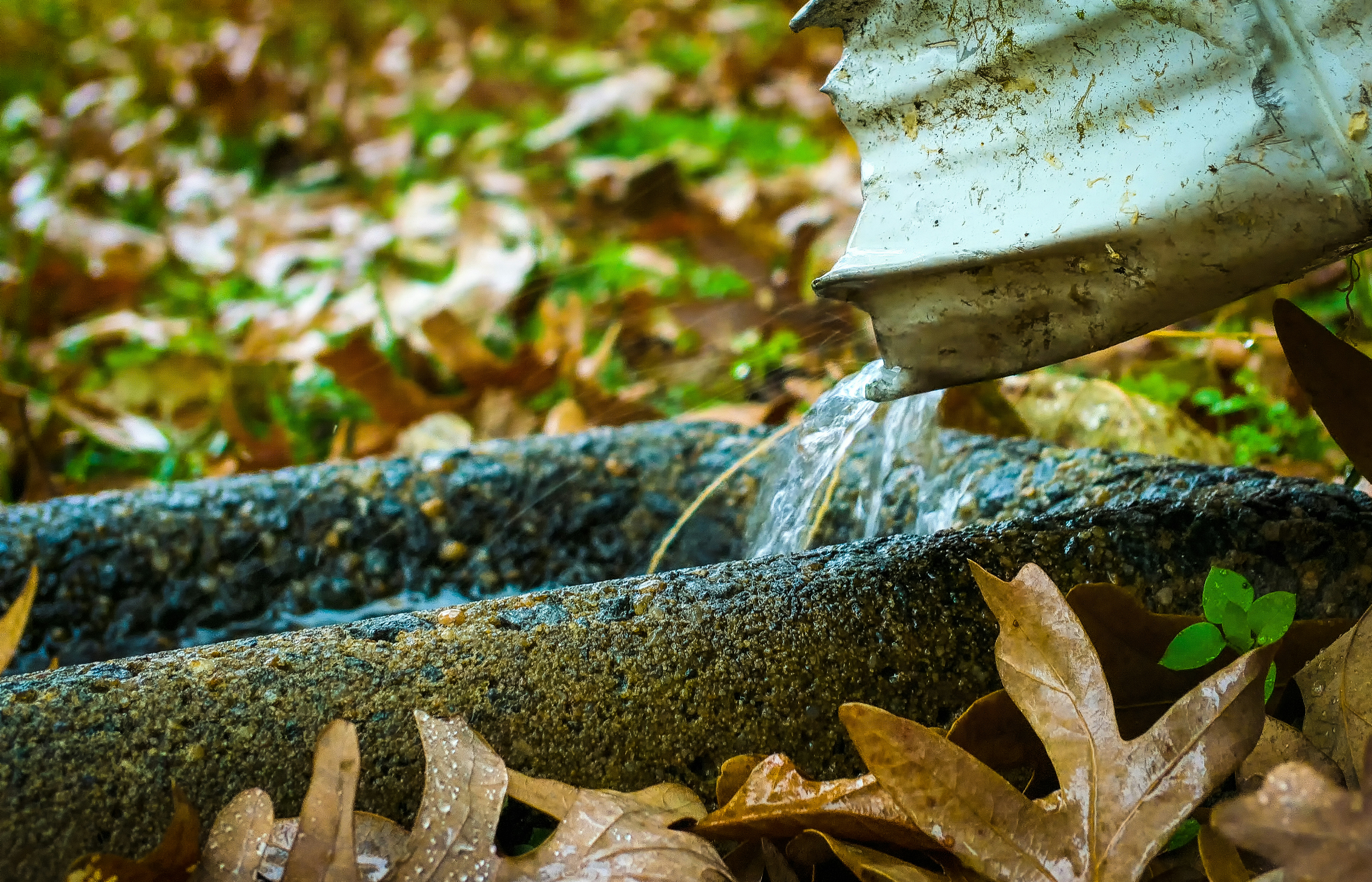
An excellent way to ensure a sustainable source of water for your winter garden is by using rain barrels. By collecting rainwater from gutters and downspouts, you can store it for later use during drier periods.
Rain barrels are not only environmentally friendly but also cost-effective. They reduce reliance on municipal water supplies and provide plants with natural rainwater free from chemicals often found in tap water. To maximize their effectiveness, position rain barrels strategically to catch as much rainfall as possible.
5: Protecting Plants from Frost and Snow
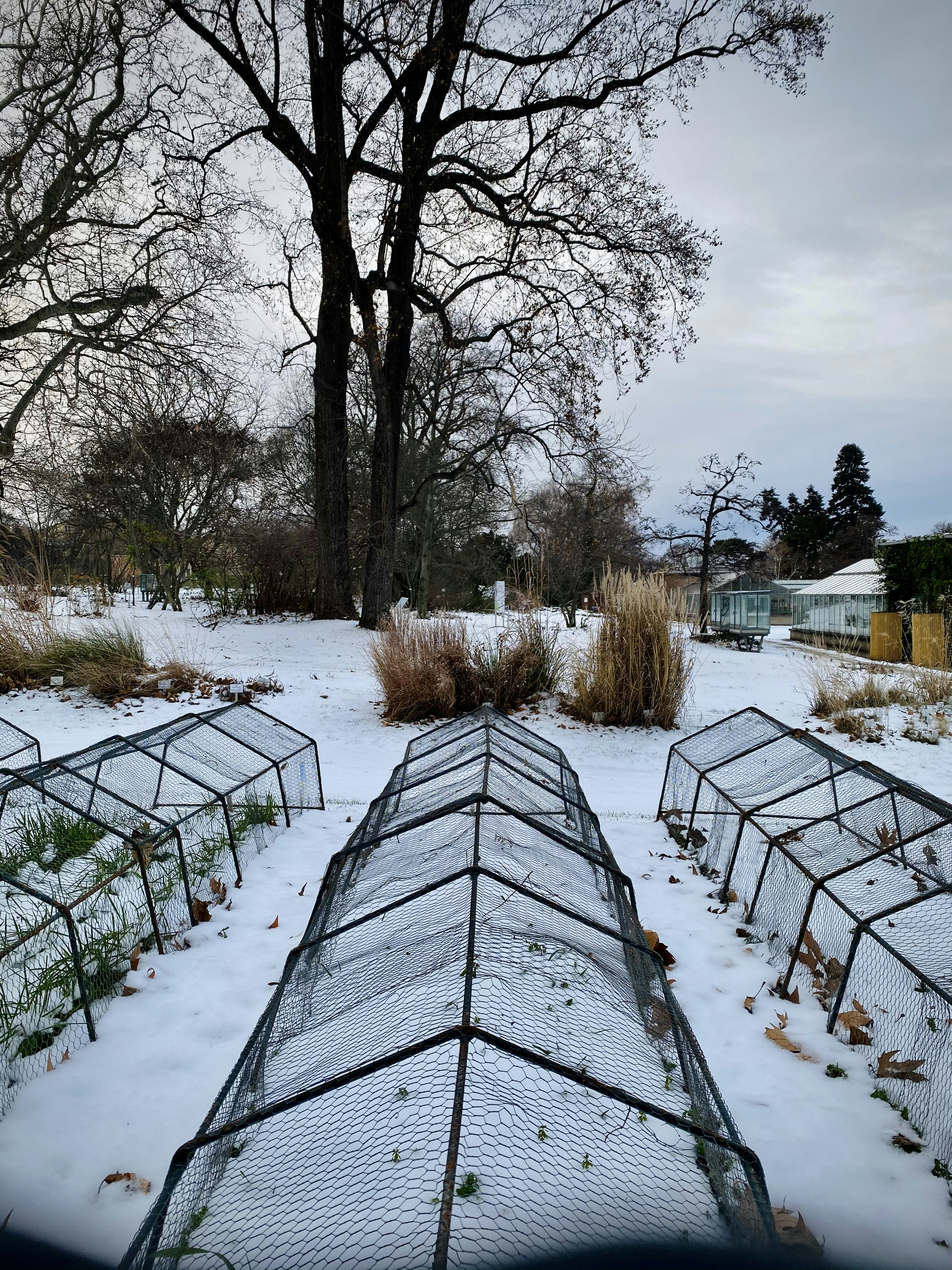
Winter gardening in a cold climate can be challenging, but with the right precautions, you can keep your plants safe from frost and snow. Here are some effective methods to protect your beloved plants during the winter months.
Using frost blankets and cloths to cover plants
One of the simplest ways to shield your plants from frost is by using frost blankets or cloths. These lightweight covers create a protective barrier against freezing temperatures while allowing air and moisture to circulate. Secure the blankets over your plants before nightfall, ensuring they reach all the way to the ground for maximum insulation.
Building temporary structures for added protection
For more delicate plants or in areas with heavy snowfall, consider building temporary structures to provide additional protection. Use stakes or PVC pipes to create a frame around your garden beds and drape clear plastic or polyethylene over it. This makeshift greenhouse will trap heat during the day and shield your plants from harsh weather conditions.
Using anti-transpirant sprays to reduce moisture loss
During winter, plants can lose moisture through their leaves due to cold winds and low humidity. To combat this issue, consider using anti-transpirant sprays on your foliage. These sprays form a thin film that reduces water loss without affecting photosynthesis or growth. Apply them according to the product instructions, focusing on vulnerable plants such as evergreens or broadleaf evergreens.
Remember, protecting your plants from frost and snow is crucial for their survival during winter months. By using frost blankets, building temporary structures, and utilizing anti-transpirant sprays, you can safeguard your garden against harsh weather conditions.
Now that you know how to protect your plants, let's move on to the next section: Maintaining a Healthy Winter Garden.
6: Maintaining a Healthy Winter Garden
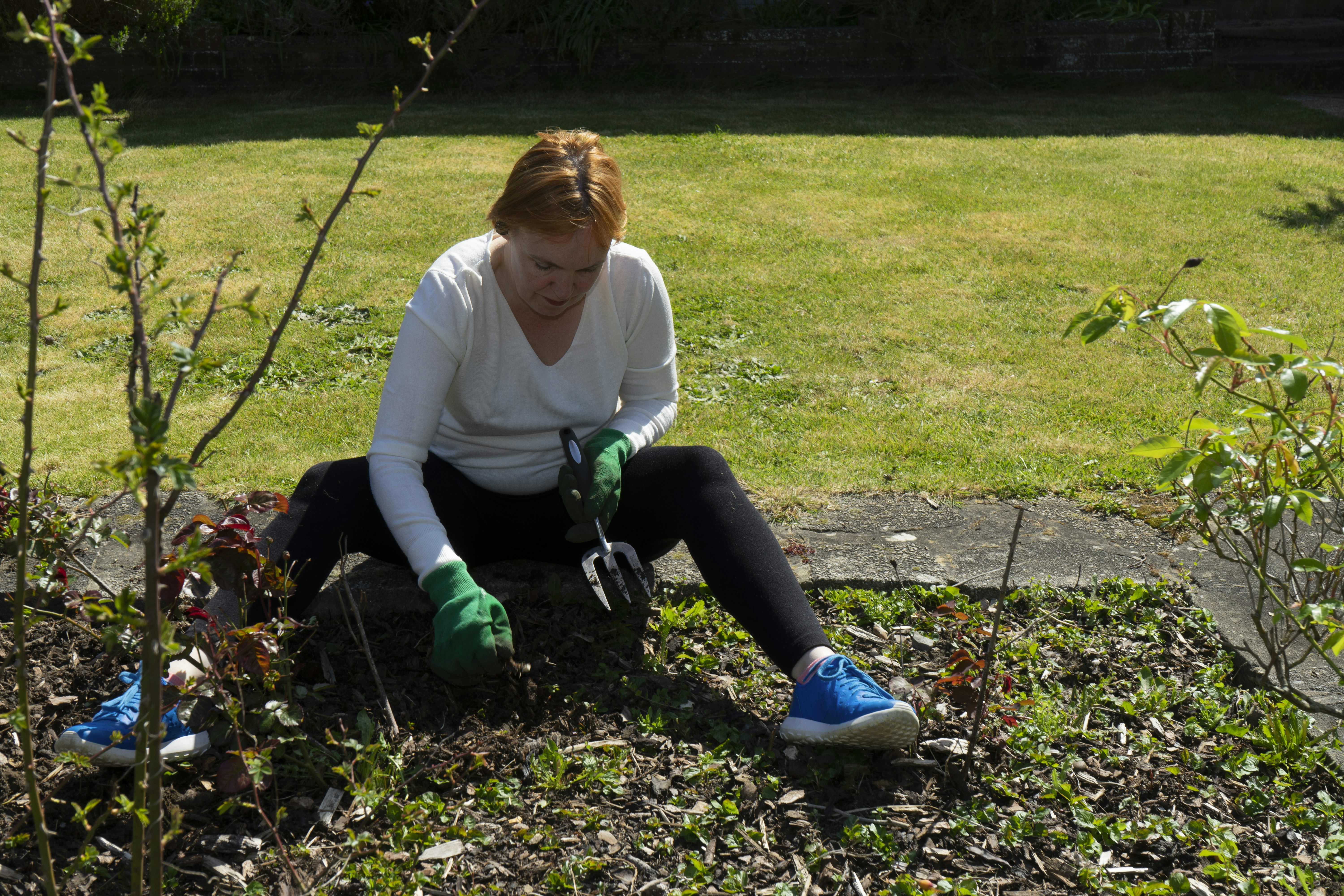
Pruning dead or damaged branches
To maintain a healthy winter garden in a cold climate, it is crucial to prune any dead or damaged branches. These can become breeding grounds for pests and diseases, which can spread and harm your plants. By removing these branches, you not only prevent the spread of potential problems but also promote new growth in the coming spring. Remember to use sharp pruning shears and make clean cuts just above a bud or branch collar.
Monitoring for pests and diseases
In winter gardening, it's important to keep a close eye on your plants for any signs of pests or diseases. The cold weather doesn't necessarily mean that these issues disappear; they may just be less active. Look out for common winter garden pests like aphids, spider mites, and slugs. Also, be vigilant for diseases such as powdery mildew or root rot. Regularly inspecting your plants will allow you to catch any problems early on and take appropriate action.
Using organic fertilizers to promote plant health
Promoting plant health in your winter garden is essential for their survival during the colder months. One way to achieve this is by using organic fertilizers that provide essential nutrients without harmful chemicals. Organic fertilizers like compost, manure, or bone meal release nutrients slowly over time, ensuring a steady supply of nourishment for your plants throughout the winter season. Additionally, these natural fertilizers improve soil structure and increase its ability to retain moisture.
Conclusion
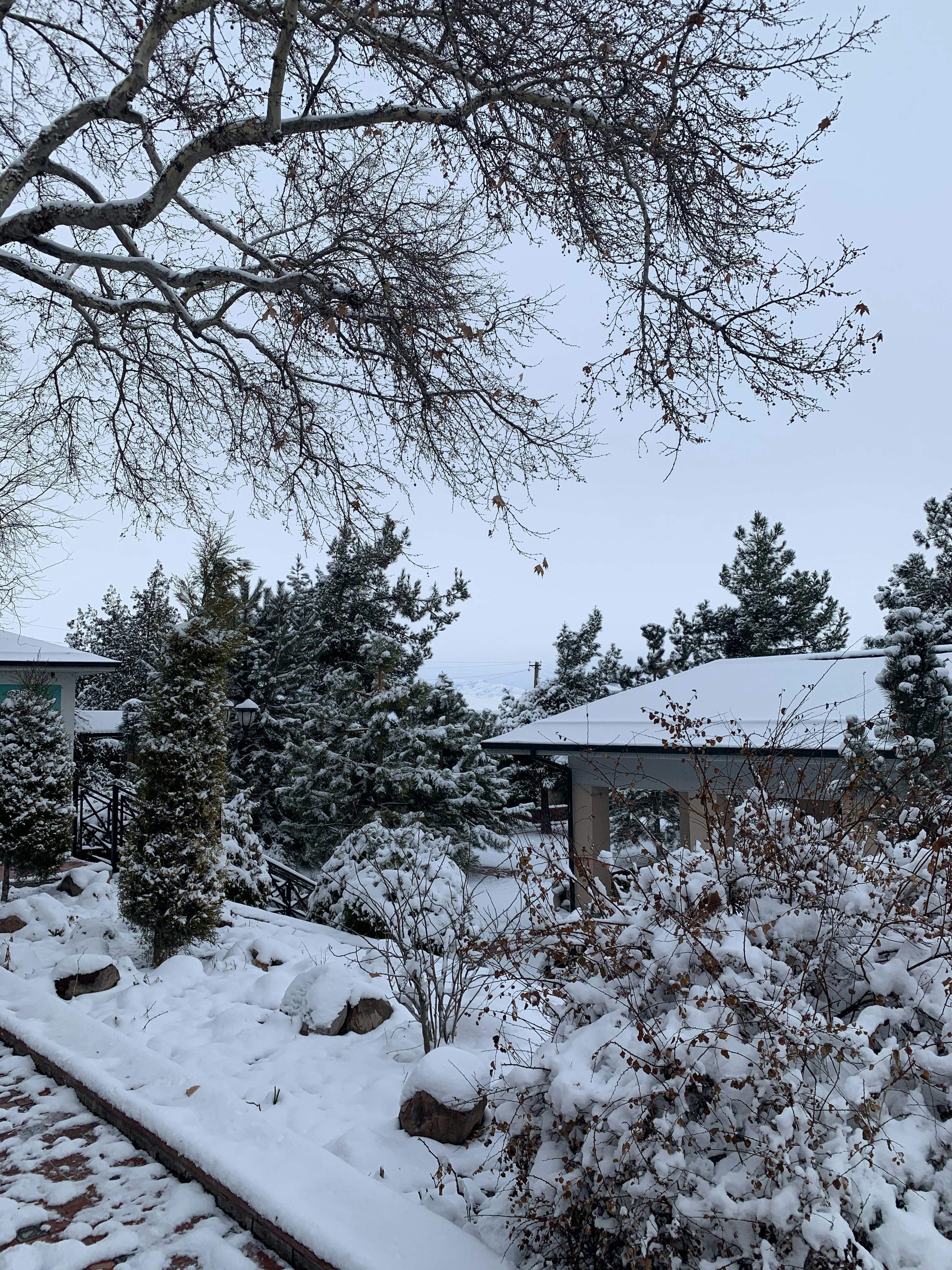
Winter gardening in a cold climate doesn't have to be a daunting task. By following these tips and tricks, you can enjoy a vibrant winter garden that will bring beauty and joy even during the coldest months of the year.
Enjoy a Vibrant Winter Garden in Any Climate
With proper planning and care, you can create a stunning winter garden regardless of your climate. By choosing cold-resistant plants, maximizing sunlight, providing adequate water and drainage, and protecting your plants from frost and snow, you can ensure that your garden thrives throughout the winter season.
Embrace the Beauty of Winter Gardening
Winter gardening offers a unique opportunity to appreciate the beauty of nature even when everything seems dormant. The contrast of evergreen shrubs against a snowy backdrop or the delicate blooms of cold-tolerant flowers can create breathtaking scenes that will make your winter garden truly magical.
Get Started on Your Winter Garden Today!
Don't wait any longer to start planning your winter garden. With the right preparations and plant choices, you can transform your outdoor space into a haven of beauty during the colder months. So grab your gardening tools, bundle up, and embrace the joys of winter gardening.