Introduction
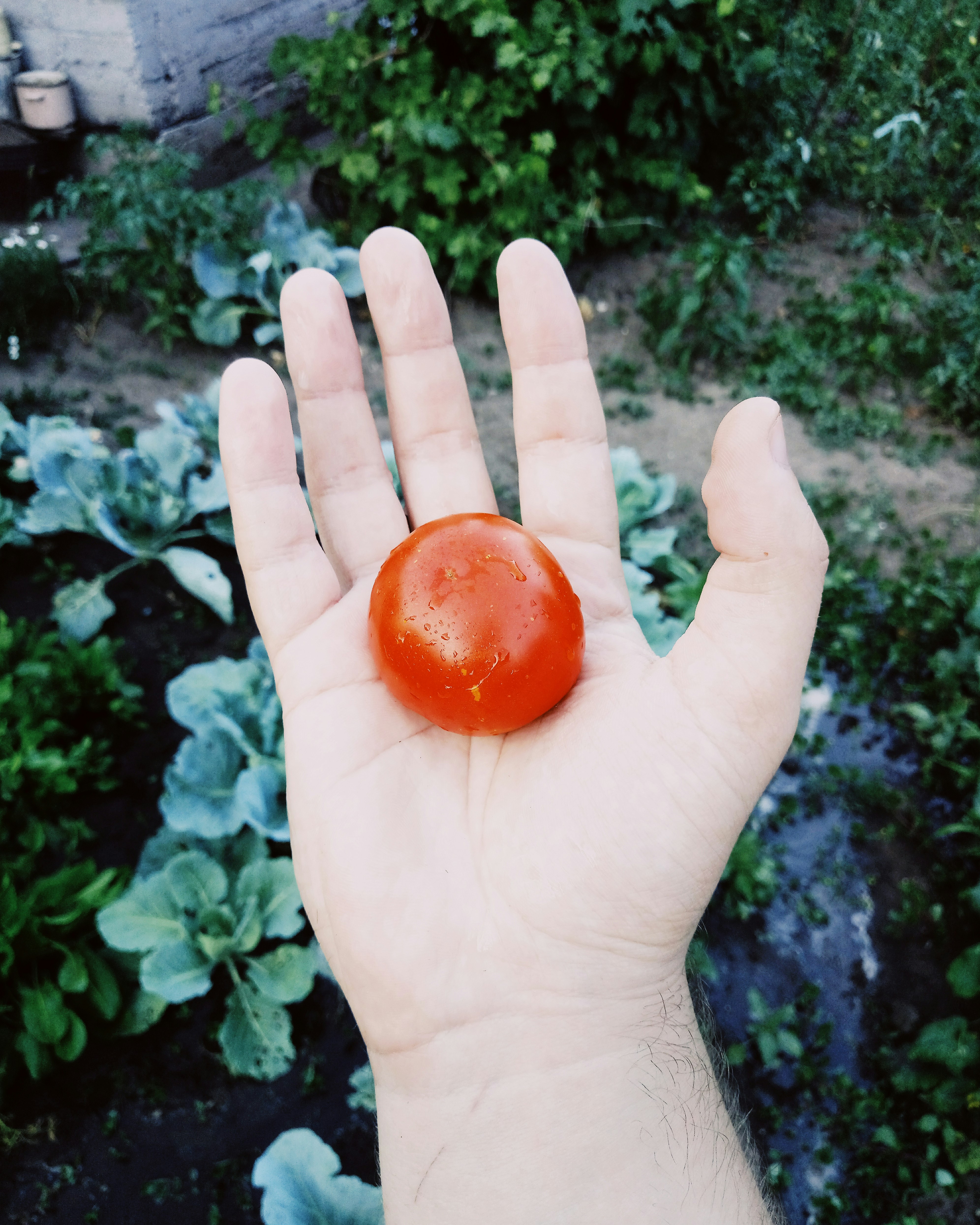
Growing tomatoes in pots offers numerous benefits for both experienced gardeners and beginners. Whether you have limited space, want to avoid soil-borne diseases, or simply enjoy the convenience of container gardening, tomatoes thrive in pots. In this guide, we will explore the advantages of growing tomatoes in pots, discuss how to choose the right tomato varieties for container gardening, highlight essential tools and materials needed for success, provide guidance on setting up your tomato container garden, and offer tips on caring for your tomato plants in pots.
Benefits of Growing Tomatoes in Pots
One of the main benefits of growing tomatoes in pots is the ability to cultivate them even if you have limited space. Whether you live in an apartment with a small balcony or have a tiny backyard, containers allow you to grow tomatoes anywhere. Additionally, growing tomatoes in pots helps prevent soil-borne diseases that can affect plants grown directly in the ground.
Choosing the Right Tomato Varieties for Container Gardening
When selecting tomato varieties for container gardening, it's important to choose ones that are well-suited for growing in confined spaces. Compact or dwarf varieties are ideal as they require less vertical space and have a bushier growth habit. Determinate varieties also work well as they produce a finite number of fruits and tend to stay more compact.
Essential Tools and Materials for Growing Tomatoes in Pots
To successfully grow tomatoes in pots, there are a few essential tools and materials you'll need. These include high-quality potting mix specifically formulated for container gardening, sturdy pots or containers that provide adequate drainage, a proper drainage system to prevent waterlogging, and tomato supports such as cages or trellises for vertical growth.
Setting Up Your Tomato Container Garden
Before planting your tomato seedlings into containers, it's crucial to set up your tomato container garden properly. Consider the location and sunlight requirements of tomatoes, ensuring they receive at least six to eight hours of direct sunlight each day. Prepare the containers by filling them with the appropriate potting soil and create a suitable spacing and arrangement for your tomato plants.
Caring for Your Tomato Plants in Pots
Caring for tomato plants in pots involves proper watering techniques, fertilizing tips, pruning and training methods, as well as managing pests and diseases. Understanding how to provide adequate water without overwatering or underwatering is crucial for healthy plant growth. Additionally, fertilizing regularly with a balanced fertilizer will ensure your tomato plants have the necessary nutrients to thrive.
Understanding the Basics of Container Gardening
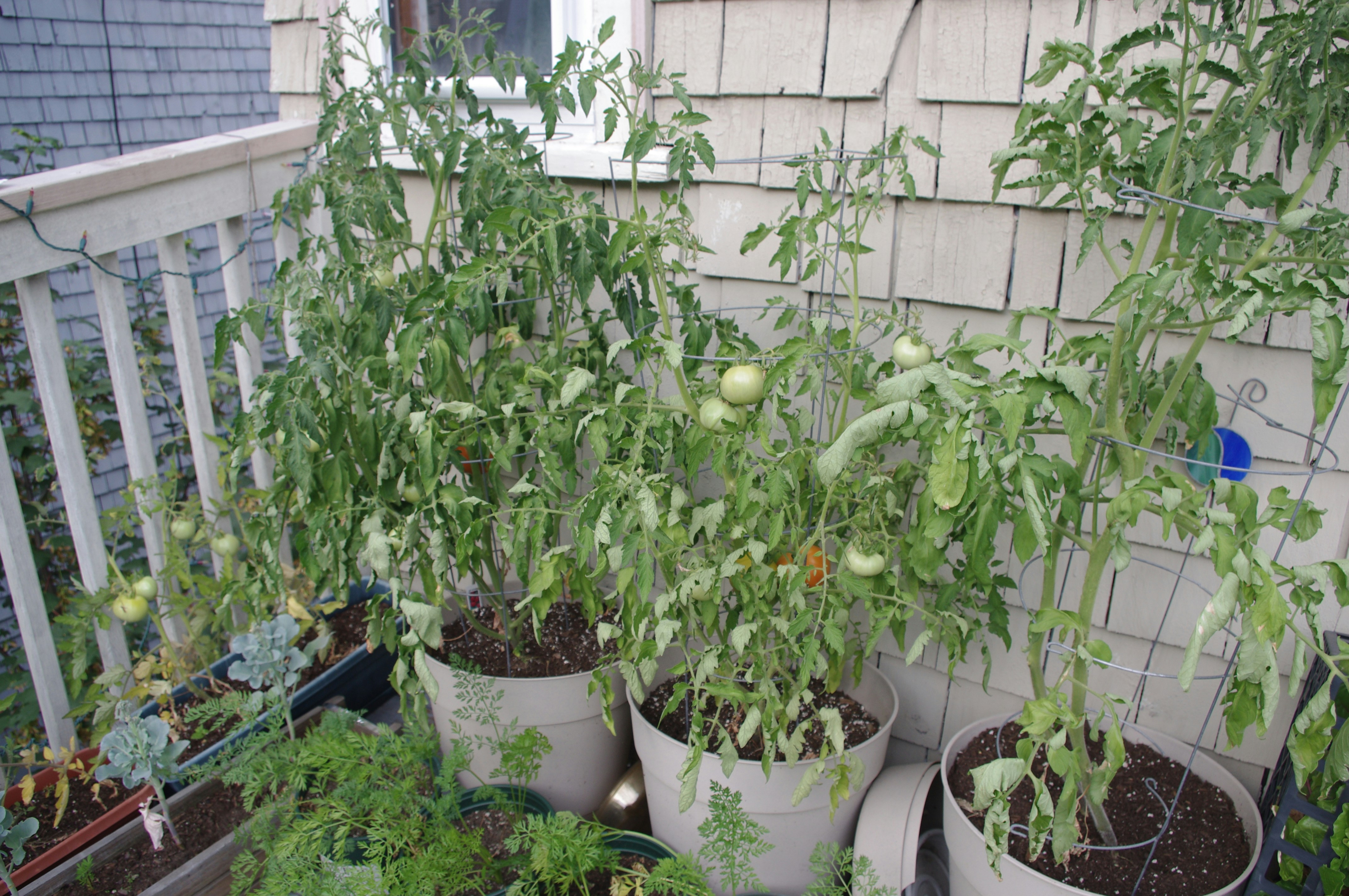
Container gardening offers numerous advantages when it comes to growing tomatoes. Firstly, it allows gardeners with limited space, such as apartment dwellers or those without access to a traditional garden, to still enjoy the benefits of homegrown tomatoes. Additionally, growing tomatoes in pots provides more control over soil conditions and allows for easy mobility, making it possible to move the plants around for optimal sunlight exposure.
To ensure successful container gardening, there are a few tips to keep in mind. Firstly, choose pots that are large enough to accommodate the root system of tomato plants. Generally, a pot with a minimum diameter of 12 inches is recommended for indeterminate varieties, while determinate varieties can thrive in slightly smaller containers. Additionally, opt for pots made of durable materials like plastic or ceramic that provide good drainage.
Selecting the right potting soil is crucial for the health and growth of tomato plants in containers. Look for a well-draining mix specifically formulated for container gardening. Avoid using garden soil alone as it may compact and hinder root development. A high-quality potting mix enriched with organic matter will provide essential nutrients and ensure proper drainage.
Remember that when growing tomatoes in pots, proper watering techniques are essential to prevent over or under-watering. The limited soil volume in containers means that they can dry out quickly, especially during hot weather. It's important to water consistently and deeply whenever the top inch of soil feels dry to the touch.
By understanding these basics of container gardening, you can set yourself up for success when growing tomatoes in pots. Choosing the right size and type of pots along with selecting suitable potting soil will create an ideal environment for your tomato plants to thrive. With proper care and attention, you'll soon be enjoying a bountiful harvest of delicious homegrown tomatoes.
Selecting the Perfect Tomato Varieties for Pot Gardening
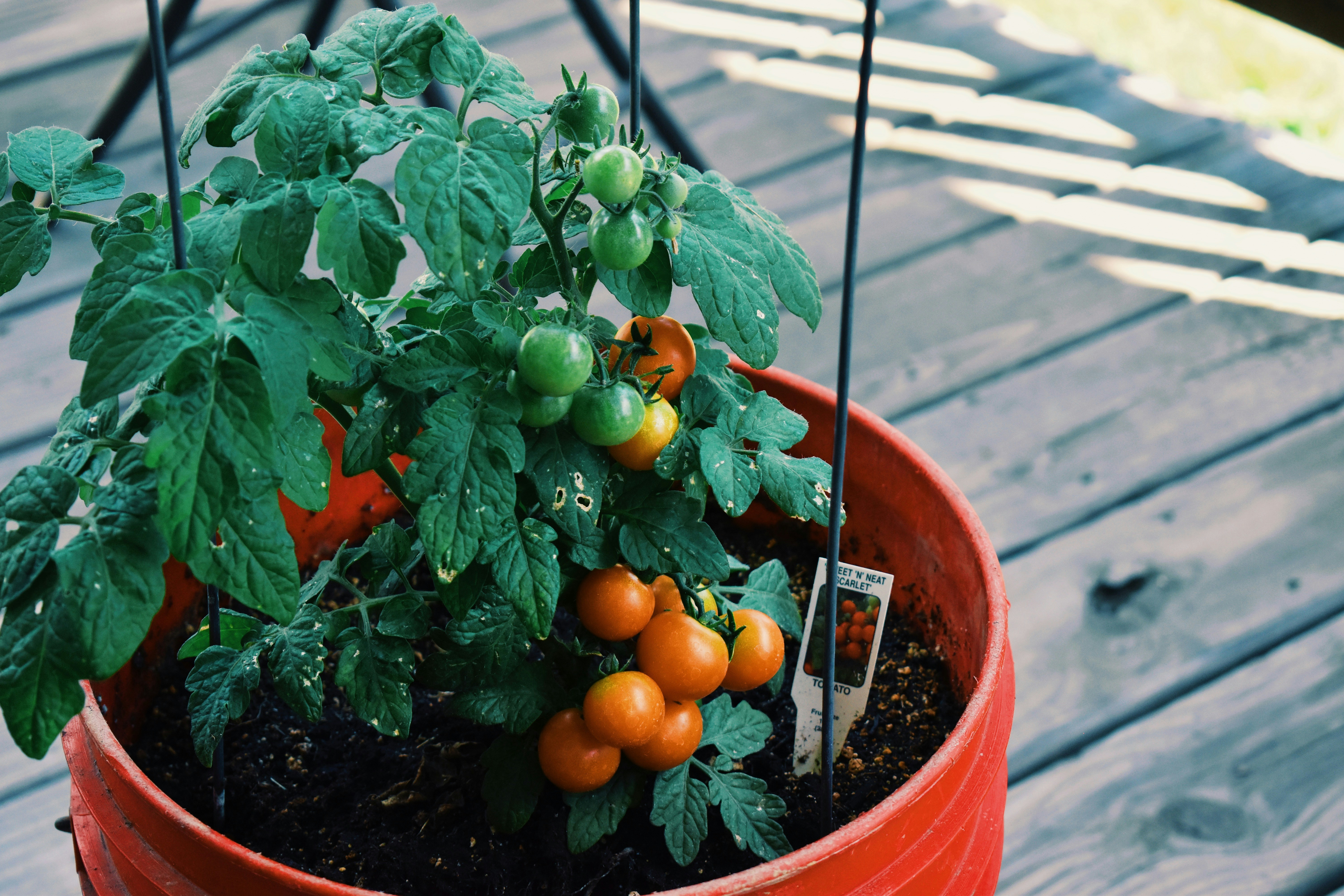
When it comes to growing tomatoes in pots, selecting the right tomato varieties is crucial for a successful container garden. Here are some key considerations to keep in mind:
Determinate vs. Indeterminate Tomato Varieties
Determinate tomato varieties are compact and bushy, making them ideal for container gardening. They have a predetermined height and tend to produce fruit all at once, making them great for those who want a large harvest at once for canning or preserving. Indeterminate varieties, on the other hand, grow tall and vine-like, requiring more space and support. They produce fruit continuously throughout the season and are perfect for those who prefer a steady supply of fresh tomatoes.
Top 5 Tomato Varieties for Containers
1. 'Tiny Tim': This dwarf variety is perfect for small spaces and produces cherry-sized tomatoes with excellent flavor.
2. 'Patio Princess': A compact determinate variety that thrives in containers, producing medium-sized tomatoes with rich flavor.
3. 'Celebrity': This indeterminate variety is disease-resistant and produces large, juicy tomatoes that are perfect for slicing.
4. 'Bush Early Girl': Another determinate variety that matures early and produces medium-sized fruits with exceptional taste.
5. 'Sweet Million': An indeterminate cherry tomato variety that bears clusters of sweet, bite-sized fruits throughout the season.
Flavorful Heirloom Tomatoes for Pots
If you're looking to add some unique flavors to your container garden, consider growing heirloom tomato varieties in pots. Heirlooms come in various colors, shapes, and sizes, each with its own distinct taste profile. Some popular heirloom varieties suitable for pots include 'Brandywine', known for its rich flavor; 'Cherokee Purple', prized for its sweet yet smoky taste; and 'Black Krim', a Russian heirloom with a complex, sweet flavor.
Dwarf and Patio Varieties for Small Spaces
For those with limited space, dwarf and patio tomato varieties are the perfect choice. These compact plants are specifically bred to thrive in small containers, making them ideal for balcony or patio gardens. Some popular dwarf and patio varieties include 'Tiny Tim', 'Red Robin', and 'Tumbling Tom'. These varieties not only produce delicious tomatoes but also add a touch of beauty to your small space garden.
Essential Tools and Materials for Your Tomato Container Garden
Quality Potting Mix for Optimal Growth
To ensure the best growth for your tomatoes in pots, it is crucial to use a high-quality potting mix. Look for a mix that is specifically formulated for container gardening, as it will provide the necessary nutrients and drainage for your plants. Avoid using regular garden soil, as it can become compacted and hinder root development. A good potting mix should be lightweight, well-draining, and rich in organic matter to promote healthy growth.
Sturdy Pots and Containers for Tomato Plants
Choosing the right pots or containers is essential when growing tomatoes in pots. Opt for sturdy containers made of materials like plastic or ceramic that can withstand outdoor conditions. Ensure that the pots have sufficient drainage holes at the bottom to prevent waterlogging, which can lead to root rot. The size of the pots should be appropriate for the tomato varieties you are growing, allowing enough space for root development.
Proper Drainage System for Healthy Roots
Creating a proper drainage system is crucial to maintain healthy roots in your tomato container garden. Along with choosing pots with drainage holes, elevate them slightly by placing them on bricks or pot feet to allow excess water to escape freely. You can also add a layer of gravel or small stones at the bottom of the pot before adding soil to further improve drainage. Proper drainage prevents waterlogged soil, which can cause root diseases and hinder plant growth.
Tomato Supports and Trellises for Vertical Growing
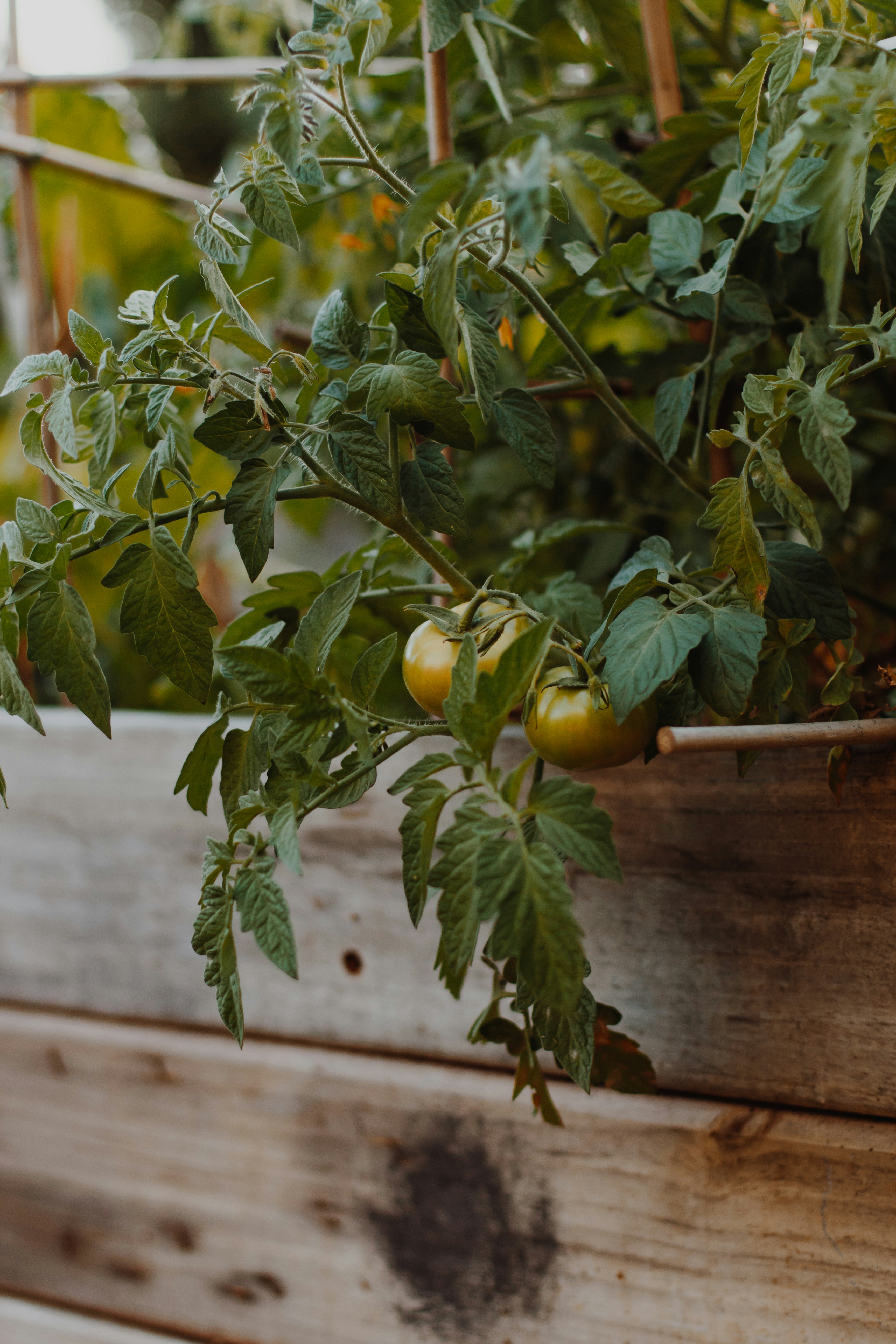
Tomato plants tend to grow tall and require support as they develop heavy fruit clusters. Using supports or trellises is essential in container gardening to prevent the plants from toppling over under their own weight. Choose sturdy stakes or cages made of materials like bamboo or metal that can withstand strong winds and support the weight of mature plants. As your tomatoes grow, gently tie their main stems to the support structure using soft twine or plant ties to guide their upward growth.
Setting Up Your Tomato Container Garden
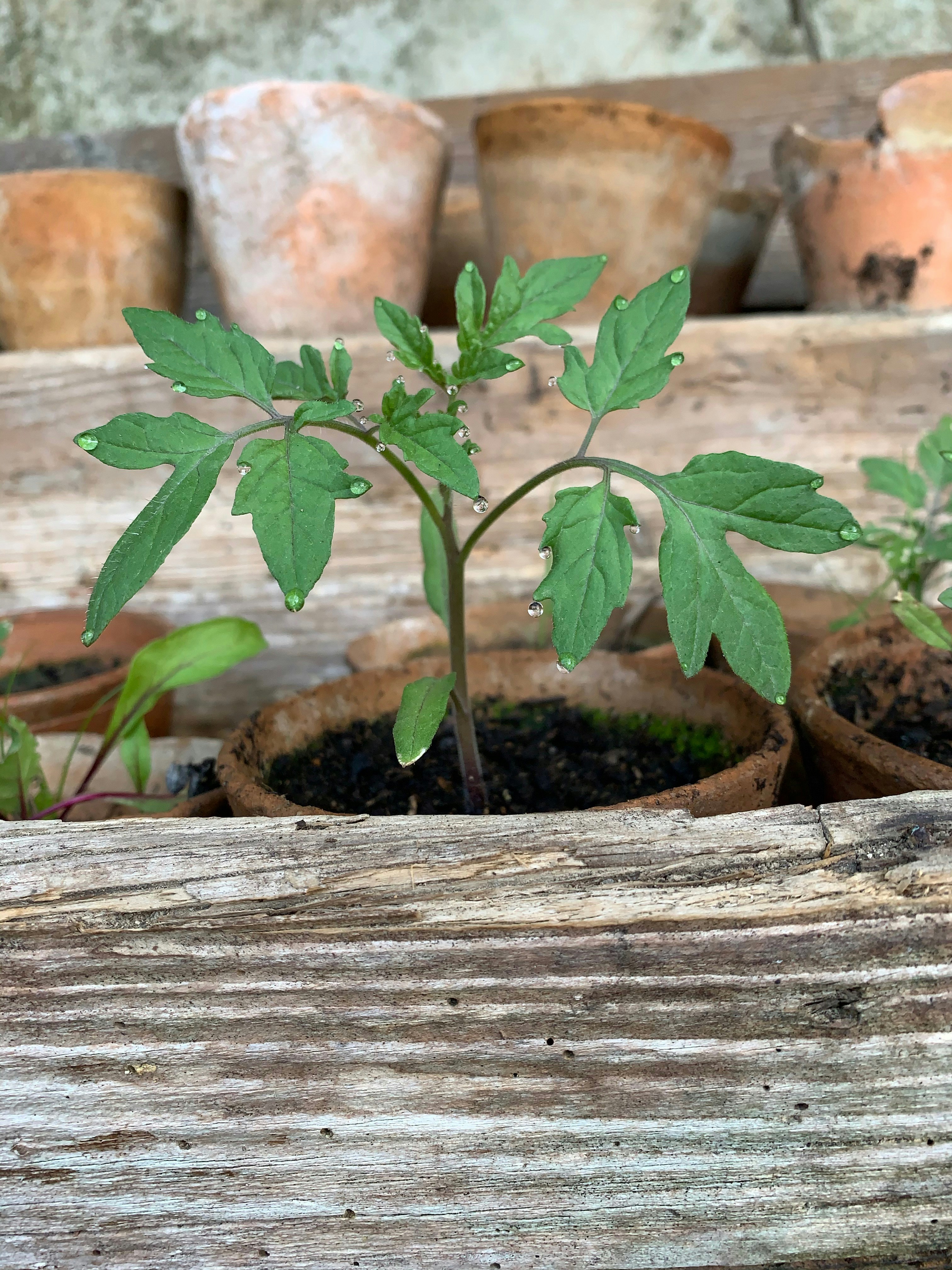
Growing tomatoes in pots is a convenient and space-saving way to enjoy fresh homegrown tomatoes. To ensure the success of your tomato container garden, it's important to carefully plan the location, sunlight requirements, container preparation, transplanting process, and spacing and arrangement of your tomato plants.
Location and Sunlight Requirements for Tomatoes
When setting up your tomato container garden, choose a location that receives at least six to eight hours of direct sunlight daily. Tomatoes thrive in full sun, so find a spot on your patio, balcony, or in your garden that provides ample sunlight throughout the day. This will ensure that your tomato plants receive the necessary energy for healthy growth and abundant fruit production.
Preparing the Containers for Planting
Before planting your tomato seedlings, it's essential to prepare the containers properly. Choose sturdy pots or containers with drainage holes at the bottom to prevent waterlogging and promote healthy root development. Clean the containers thoroughly with soap and water to remove any dirt or debris from previous use. Additionally, sterilize them with a diluted bleach solution to prevent diseases from affecting your young tomato plants.
Transplanting Tomato Seedlings into Pots
When transplanting tomato seedlings into pots, gently remove them from their nursery containers while being careful not to damage their delicate roots. Dig a hole in each pot that is deep enough to accommodate the root ball of each seedling without burying the stem too deeply. Place each seedling into its respective hole and backfill with potting soil until it reaches just below the lower leaves of the plant.
Spacing and Arrangement of Tomato Plants in Containers
Proper spacing and arrangement of tomato plants in containers are crucial for their healthy growth and maximum productivity. Indeterminate varieties, which grow tall and require support, should be spaced at least 2 feet apart to allow air circulation and prevent overcrowding. Determinate varieties, which are more compact, can be spaced around 1 foot apart. Consider using stakes or trellises to support indeterminate plants and keep them upright as they grow.
In conclusion, setting up your tomato container garden involves selecting the right location with ample sunlight, preparing the containers properly, transplanting seedlings carefully, and spacing and arranging the plants for optimal growth. By following these steps, you'll be on your way to enjoying a bountiful harvest of delicious homegrown tomatoes.
Caring for Your Tomato Plants in Pots
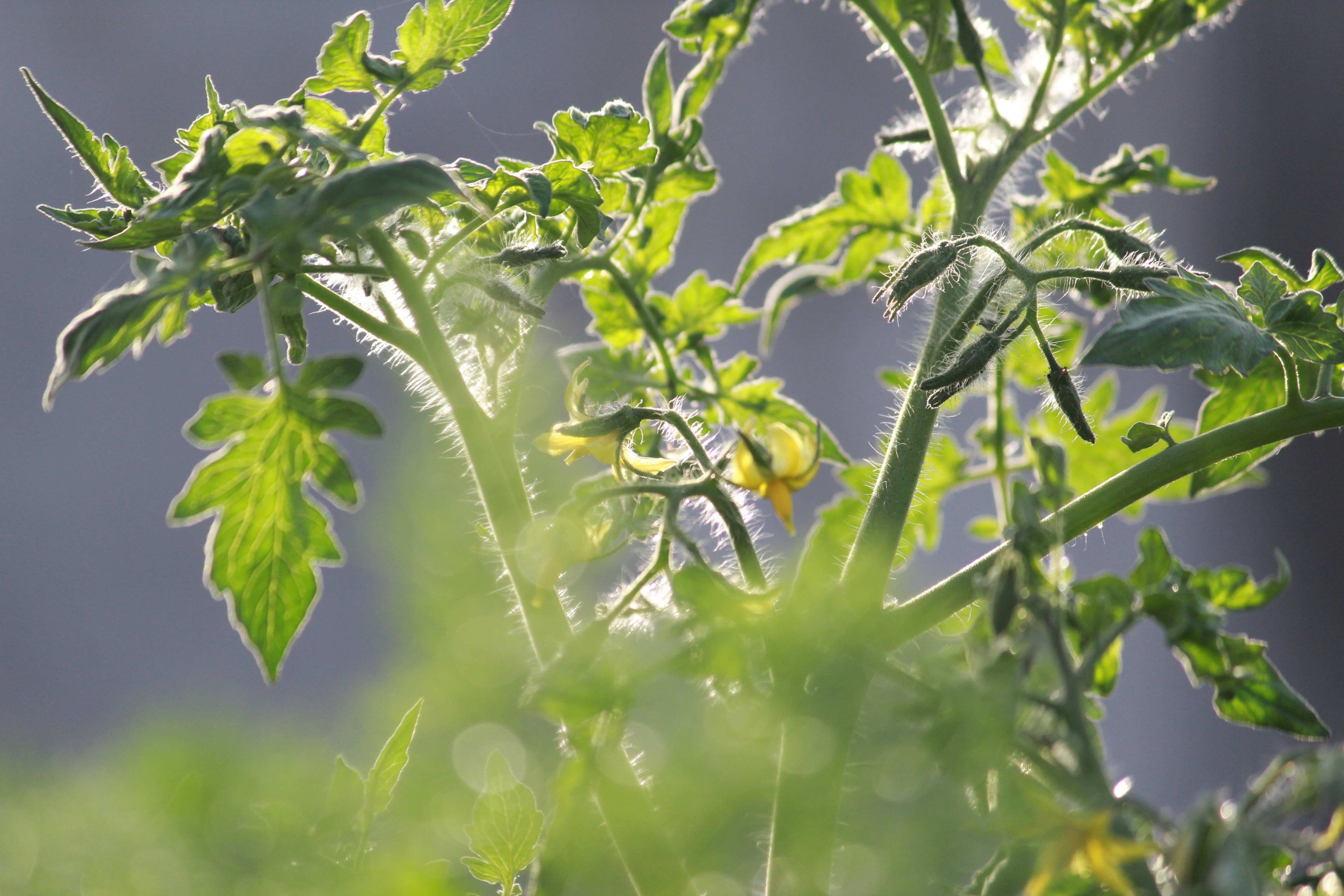
Watering Techniques for Container-Grown Tomatoes
Proper watering is essential for the success of your tomato plants in pots. It's important to strike a balance between under-watering and over-watering. To ensure your tomatoes receive adequate moisture, water them deeply and evenly, allowing the soil to dry slightly between waterings. Avoid wetting the foliage to prevent the spread of diseases. Consider using a drip irrigation system or self-watering containers to maintain consistent moisture levels.
Fertilizing Tips for Healthy Tomato Plants
To promote healthy growth and abundant fruit production, regular fertilization is crucial for container-grown tomatoes. Use a balanced fertilizer with equal amounts of nitrogen, phosphorus, and potassium (NPK). Apply the fertilizer according to the package instructions, typically every two weeks during the growing season. Additionally, consider supplementing with organic fertilizers like compost or fish emulsion for added nutrients.
Pruning and Training Tomatoes in Containers
Pruning and training your tomato plants will help maximize their productivity and keep them manageable in limited space. Remove any suckers that emerge from the leaf axils to direct energy towards fruit development rather than excessive foliage growth. As your plants grow taller, provide support by staking or using trellises to prevent them from toppling over under their own weight.
Managing Pests and Diseases in Container Gardens
Container gardens are not immune to pests and diseases that can damage tomato plants. Regularly inspect your plants for signs of common pests such as aphids, whiteflies, or caterpillars, which can be controlled through organic insecticides or by handpicking them off the plants if infestations are small. Prevent diseases by ensuring proper air circulation around your containers and avoiding overhead watering that can promote fungal growth.
Conclusion
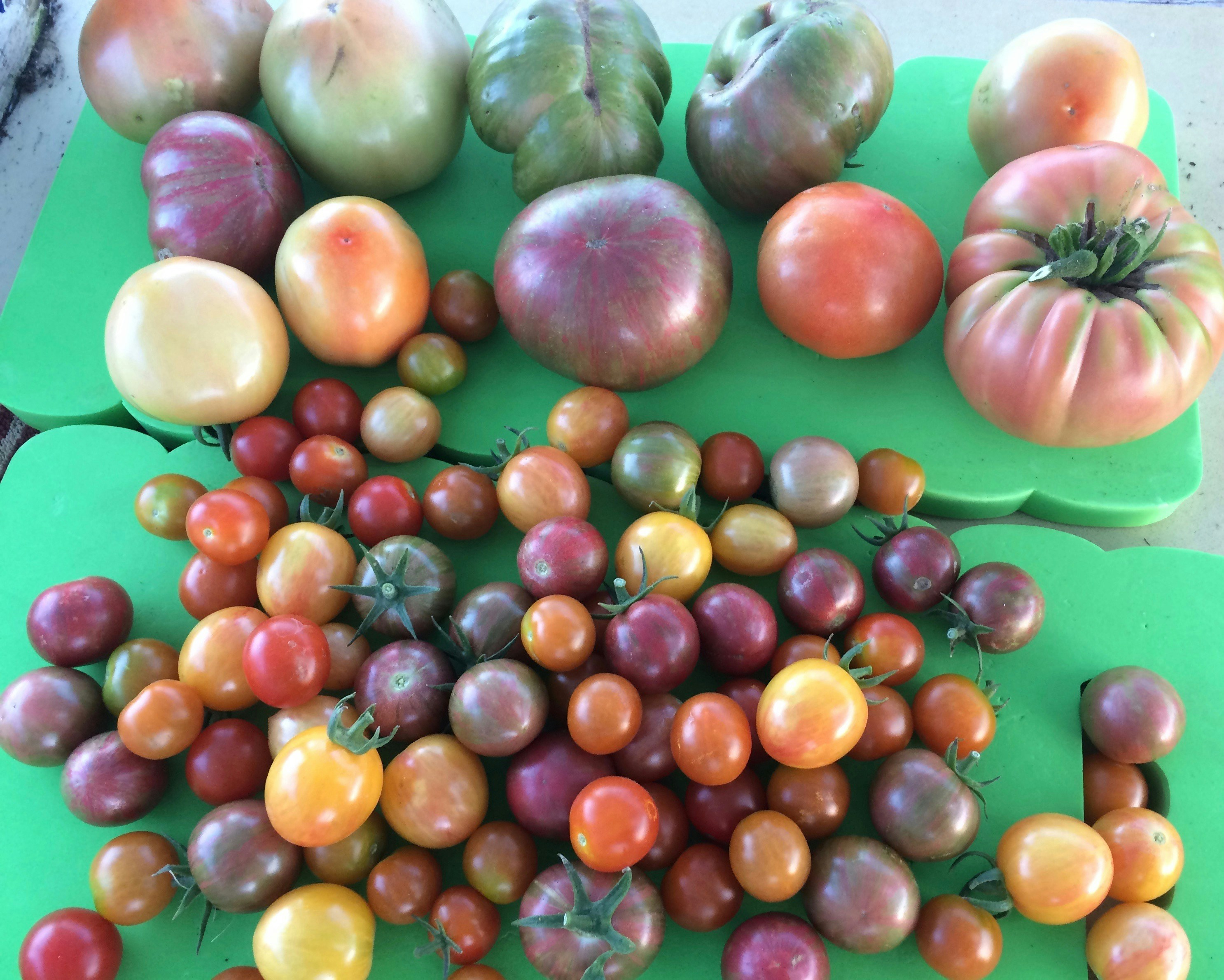
In conclusion, growing tomatoes in pots is a rewarding and accessible way to enjoy fresh homegrown tomatoes, even if you have limited space. By following the tips and techniques outlined in this guide, you can successfully cultivate thriving tomato plants in containers.
Enjoying the Fruits of Your Labor: Harvesting and Using Homegrown Tomatoes
Once your tomato plants have reached maturity, it's time to savor the fruits of your labor. Harvesting homegrown tomatoes is a delightful experience that allows you to enjoy their incredible flavor and nutritional benefits. Whether you prefer slicing them for sandwiches, using them in salads, or cooking them into delicious sauces and salsas, the possibilities are endless.
To ensure optimal taste and texture, harvest your tomatoes when they are fully ripe but still firm. Gently twist or cut the fruit from the vine, being careful not to damage the plant. Store harvested tomatoes at room temperature away from direct sunlight for maximum flavor.
Troubleshooting Common Issues in Tomato Container Gardening
While container gardening offers numerous benefits, it also presents unique challenges that may arise during the growing process. Here are some common issues you may encounter and how to troubleshoot them:
1. Overwatering: Excessive watering can lead to root rot and other fungal diseases. Ensure proper drainage by using well-draining soil and pots with drainage holes.
2. Nutrient deficiencies: Container-grown tomatoes may require additional fertilization due to limited nutrient availability in potting soil. Regularly feed your plants with balanced organic fertilizers or compost tea.
3. Pests: Common pests such as aphids, whiteflies, and tomato hornworms can affect container-grown tomatoes. Monitor your plants regularly and use organic pest control methods like neem oil or insecticidal soap.
4. Diseases: Fungal diseases like powdery mildew and blight can affect tomato plants in containers. Ensure good air circulation, avoid overhead watering, and promptly remove any infected leaves or fruits.
By addressing these issues promptly and implementing preventive measures, you can overcome common challenges in tomato container gardening.
Final Tips for Successful Tomato Growing in Pots
To wrap up, here are some final tips to ensure successful tomato growing in pots:
1. Regularly monitor soil moisture levels by sticking your finger about an inch into the soil. Water when the top inch feels dry to the touch.
2. Provide support for indeterminate tomato varieties by using stakes, cages, or trellises to prevent sprawling growth.
3. Prune your plants regularly to remove suckers and promote better airflow within the foliage.
4. Rotate your container garden each year to prevent soil depletion and reduce the risk of disease buildup.
5. Experiment with different tomato varieties to discover new flavors and textures that suit your taste preferences.
Remember, growing tomatoes in pots is a journey filled with learning experiences. Embrace the process, adapt as needed, and enjoy the bountiful harvest of homegrown tomatoes that will surely bring satisfaction to your gardening endeavors!