Introduction
Are you tired of buying expensive, wilted herbs from the grocery store? Why not bring the freshness and convenience right into your own home with an indoor herb garden? Not only will you have a constant supply of flavorful herbs at your fingertips, but you'll also enjoy the numerous benefits that come with growing herbs indoors. In this guide, we'll explore the best herbs to grow indoors, how to create a thriving indoor herb garden, and the essential tools and supplies you'll need for successful herb growing.
The Benefits of Growing Herbs Indoors
Growing herbs indoors offers a multitude of benefits that go beyond just having fresh ingredients for your culinary creations. First and foremost, it allows you to have access to aromatic and flavorful herbs year-round, regardless of the season or weather conditions outside. Imagine plucking a handful of fragrant basil leaves or sprigs of rosemary whenever you need them, without having to step foot outside!
Not only does indoor herb gardening provide ultimate convenience, but it also adds beauty and life to your living space. Lush green foliage can brighten up any room and create a calming atmosphere. Plus, taking care of plants has been proven to reduce stress levels and improve overall well-being. So not only will your indoor herb garden enhance your cooking experience, but it will also contribute to a healthier and happier home environment.
Creating a Thriving Indoor Herb Garden
Creating a thriving indoor herb garden is easier than you might think! With just a little bit of planning and preparation, you can enjoy an abundance of fresh herbs right in your own kitchen or living area. The key is to choose the right herbs that are well-suited for indoor environments and understand their specific growth requirements.
Essential Tools and Supplies for Indoor Herb Growing
To ensure success with your indoor herb garden, there are some essential tools and supplies that you'll need. These include suitable containers and soil, proper lighting, and the right watering and feeding techniques. By having these tools at your disposal, you'll be well-equipped to provide your herbs with the optimal conditions they need to thrive.
Choosing the Right Herbs for Indoor Growing
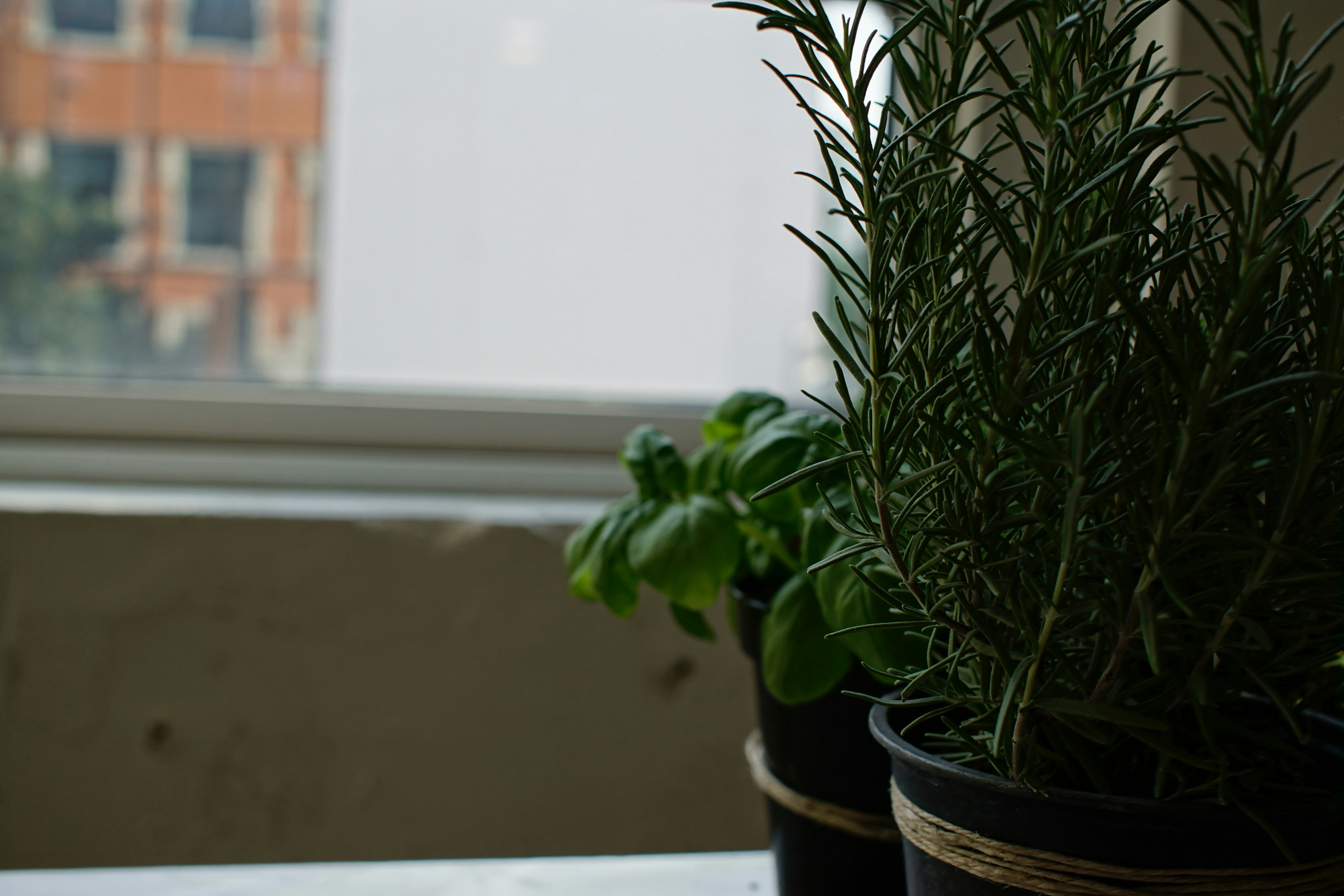
When it comes to growing herbs indoors, there are a few varieties that stand out as the best choices. Basil, mint, and rosemary are all excellent options for indoor gardening. These herbs not only thrive in indoor environments but also offer a range of flavors and uses in the kitchen.
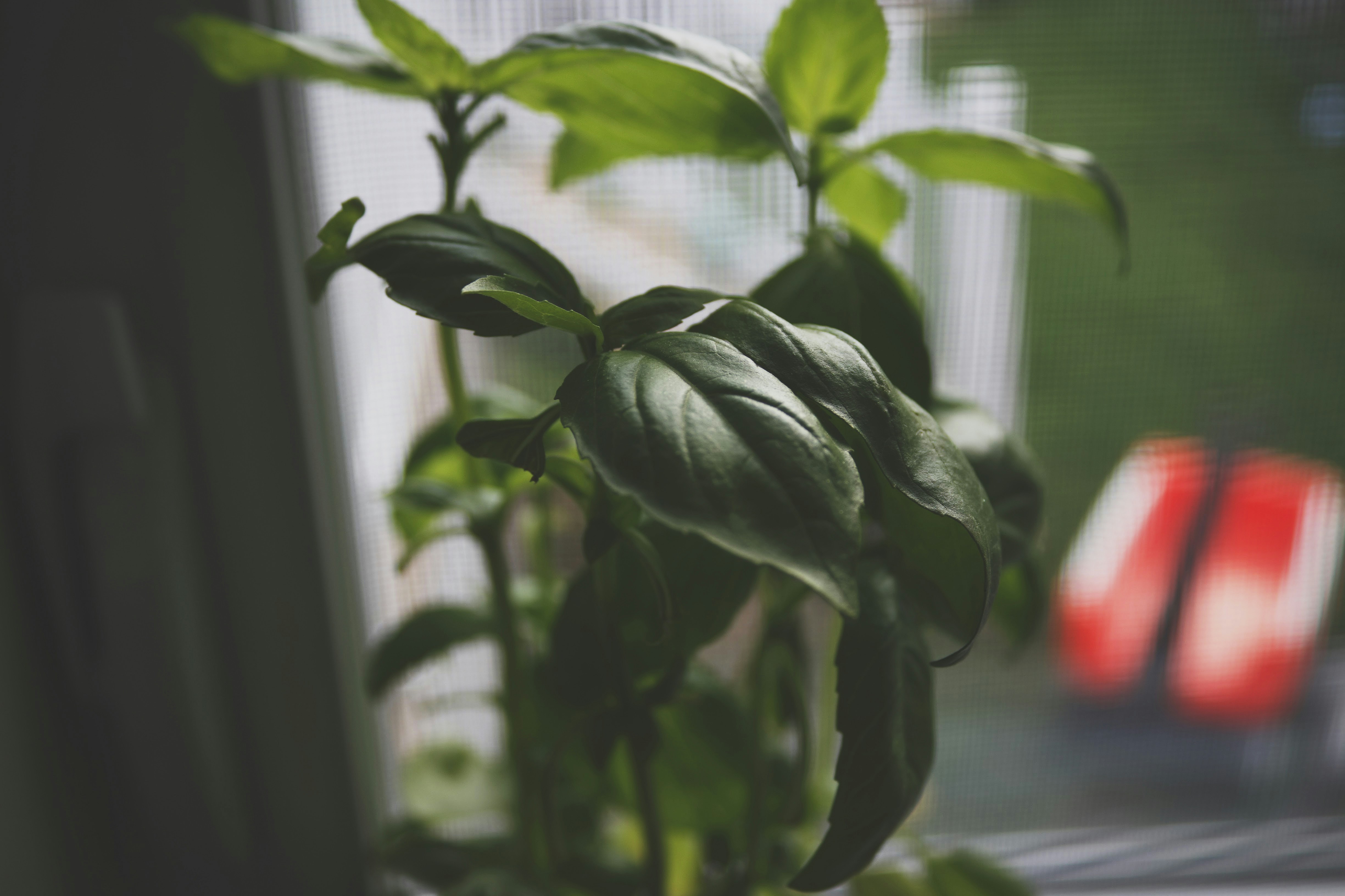
Basil is a versatile herb that adds a fresh and vibrant taste to many dishes. It grows well indoors and requires plenty of sunlight, making it an ideal choice for sunny windowsills or under grow lights. With its distinct aroma and flavor, basil is perfect for homemade pesto, caprese salads, or even infused oils.
Mint is another herb that thrives indoors and offers a refreshing and cooling taste. It grows quickly and can be quite prolific, so it's important to give it enough space to spread out. Mint is great for adding flavor to beverages like mojitos or iced tea, as well as desserts like chocolate mint cookies or mint-infused chocolate sauces.
Rosemary is a hardy herb that can withstand indoor conditions with ease. It prefers bright light but can tolerate slightly lower levels if necessary. Rosemary adds an earthy and aromatic flavor to roasted meats, potatoes, or even bread recipes. Plus, its lovely scent makes it a popular choice for homemade potpourri or herbal sachets.
When selecting herbs for indoor growing, it's important to consider their specific needs and requirements. Some herbs prefer more sunlight while others can tolerate lower light levels. Additionally, certain herbs may require more frequent watering or have specific temperature preferences.
Understanding the growth requirements of different herbs will help you create an optimal environment for their success. For example, basil prefers warm temperatures between 70-90°F (21-32°C) while rosemary thrives in slightly cooler temperatures around 60-75°F (15-24°C). Mint enjoys moist soil but should not be overwatered, as it can lead to root rot.
By carefully selecting herbs that thrive in indoor environments and understanding their unique growth requirements, you can ensure a successful and bountiful indoor herb garden.
Setting Up Your Indoor Herb Garden
Indoor herb gardening is a rewarding and convenient way to enjoy fresh herbs year-round. To ensure the success of your indoor herb garden, it's crucial to set it up properly. Here are some essential steps to follow:
Selecting the ideal location for your herb garden
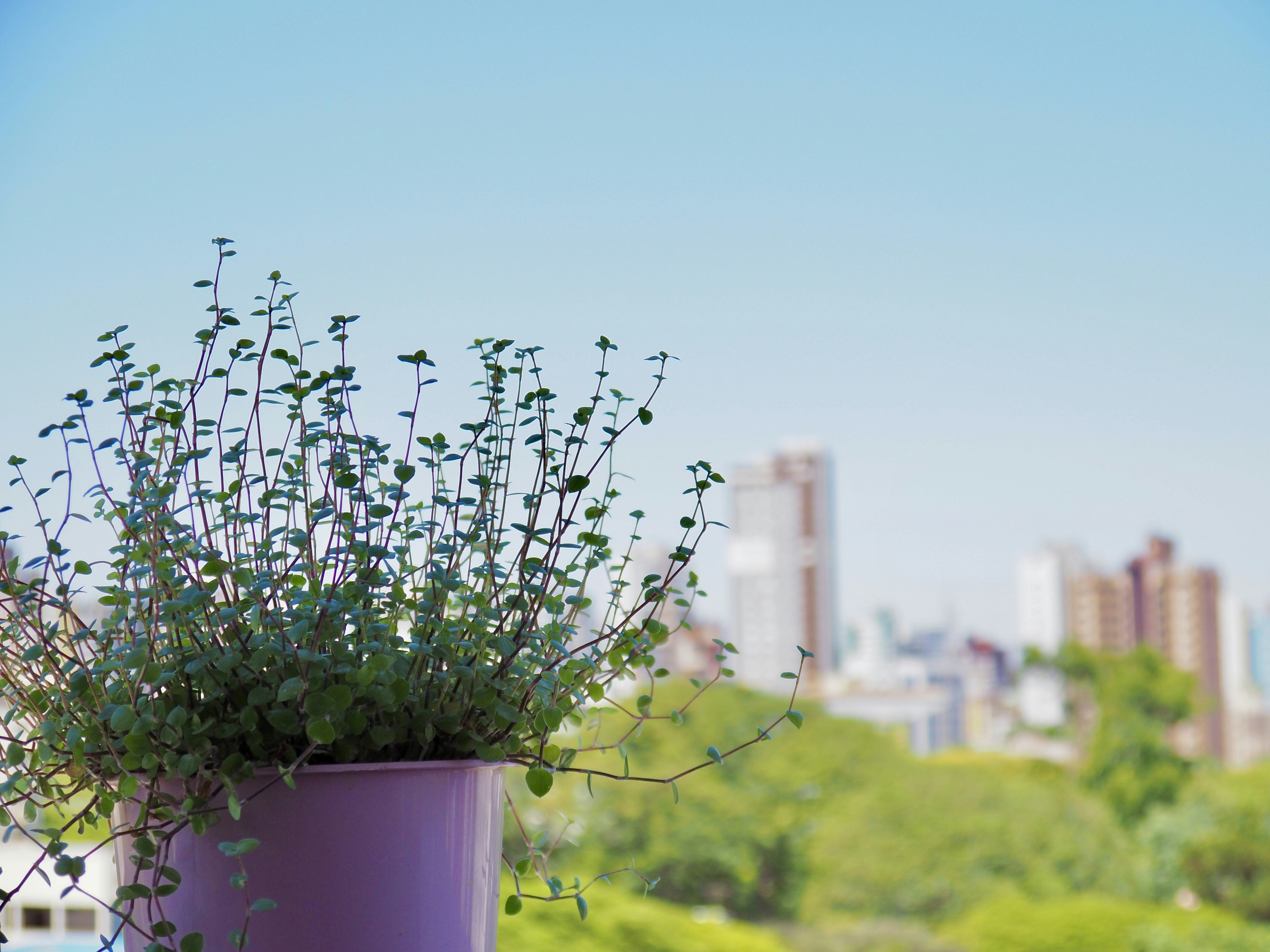
When choosing a location for your indoor herb garden, consider factors such as sunlight exposure and temperature. Most herbs require at least six hours of direct sunlight daily, so look for a spot near a south-facing window or use supplemental grow lights.
Choosing the right containers and soil for your herbs
Selecting the appropriate containers and soil is vital for the health of your indoor herbs. Opt for containers with drainage holes to prevent waterlogging, and use lightweight potting mix that provides good drainage while retaining moisture.
Providing adequate lighting for optimal growth
Since natural light indoors may not always be sufficient, especially during winter months, consider using artificial grow lights to supplement or replace natural light. LED grow lights are energy-efficient and provide a full spectrum of light that promotes healthy growth in herbs.
Setting up your indoor herb garden in the right location with suitable containers and lighting will lay the foundation for thriving herbs that will enhance your culinary creations and bring beauty to your space.
Remember that each paragraph should have at least 3 sentences or more if there are enough tokens.
Keywords: Best herbs to grow indoors
Nurturing Your Indoor Herbs
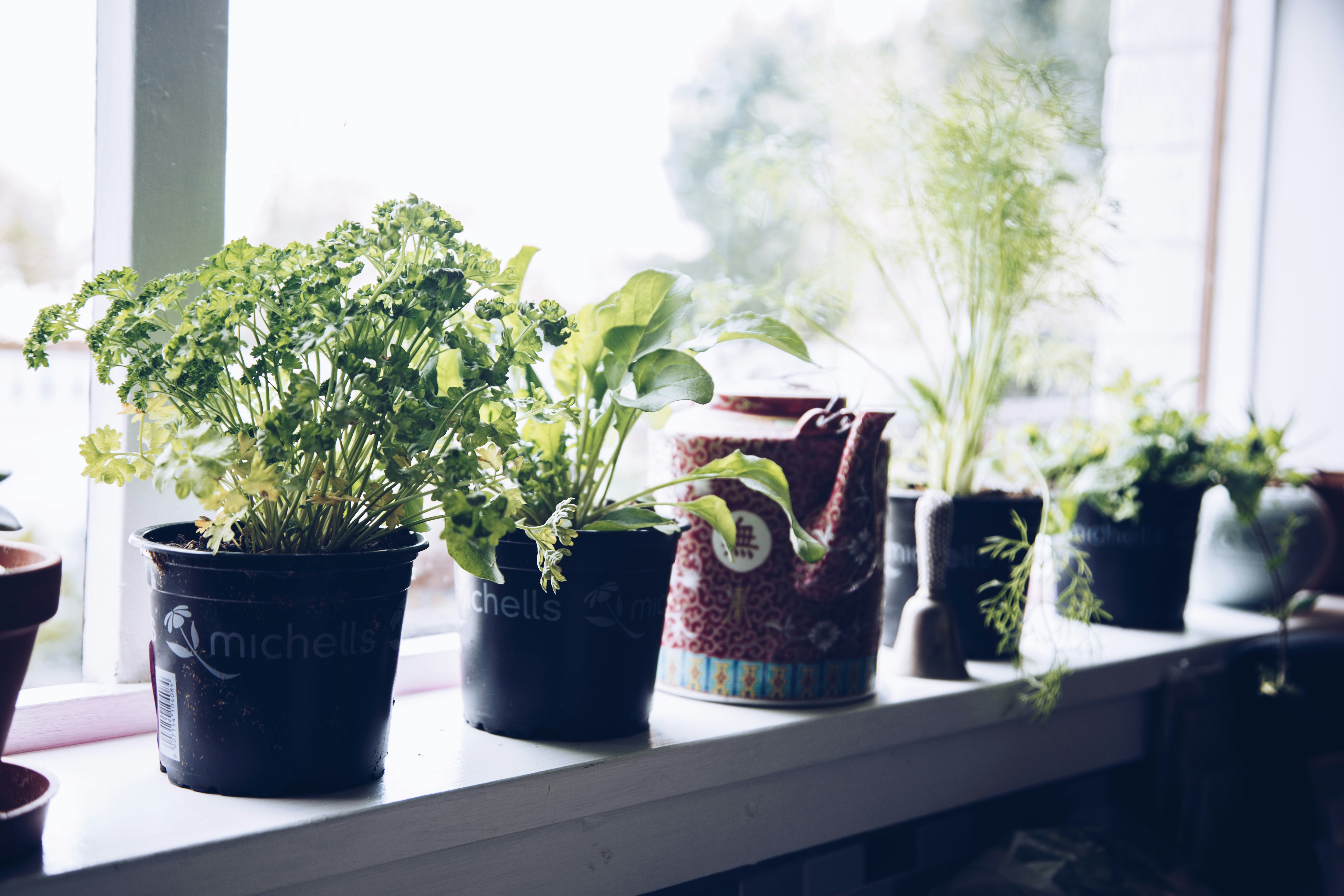
Growing herbs indoors requires proper care and attention to ensure their healthy growth and abundant flavor. In this section, we will explore essential nurturing techniques for your indoor herb garden.
Watering techniques for indoor herbs
Proper watering is crucial for the well-being of your indoor herbs. It's important to strike a balance between providing enough moisture without overwatering them. Most herbs prefer slightly moist soil, so it's best to water them when the top inch of soil feels dry to the touch. Avoid letting the soil become completely dry or waterlogged.
To ensure even watering, use a watering can with a narrow spout or a spray bottle to gently moisten the soil around the base of your herbs. Be mindful not to wet the leaves excessively, as this can lead to fungal diseases. Remember that different herbs have varying water requirements, so it's essential to research and understand each herb's specific needs.
Fertilizing and feeding your herbs for healthy growth
To promote healthy growth and vibrant flavors in your indoor herbs, regular fertilization is key. Choose a balanced organic fertilizer or a specially formulated herb fertilizer that provides essential nutrients without harsh chemicals.
During the growing season, apply fertilizer every two weeks according to package instructions. Be cautious not to over-fertilize, as this can result in weak plants or nutrient burn. Always follow recommended dosage guidelines and adjust based on individual herb requirements.
In addition to regular fertilization, consider supplementing with liquid seaweed extract or compost tea once a month for an extra boost of nutrients and trace minerals.
Proper pruning and harvesting methods
Pruning plays a vital role in maintaining compact and bushy growth in your indoor herbs while encouraging fresh leaf production. Regularly trim back any leggy or woody stems using clean pruning shears or sharp scissors.
When harvesting your indoor herbs, remember that they will continue to grow and produce new leaves if harvested correctly. For leafy herbs like basil and mint, pinch off individual leaves or cut stems just above a pair of healthy leaves to encourage branching.
For woody herbs like rosemary, trim the tips of the branches, leaving at least two sets of leaves intact. Avoid cutting into the woody stems as this may hinder regrowth.
Proper pruning and harvesting not only ensure continuous herb production but also help maintain the overall health and appearance of your indoor herb garden.
Common Challenges and Solutions
Creative Ways to Use Your Indoor Herbs
Indoor herb gardens not only provide a fresh and convenient supply of herbs for cooking, but they also offer endless opportunities for creativity. Here are some delightful ways to make the most of your homegrown herbs:
Delicious recipes using fresh indoor herbs
Take your culinary skills to new heights by incorporating the vibrant flavors of your indoor herbs into delicious recipes. Whip up a refreshing basil pesto using freshly picked basil leaves, pine nuts, garlic, Parmesan cheese, and olive oil. Or infuse your favorite dishes with the aromatic essence of mint by adding it to salads, cocktails, or homemade ice cream. And don't forget to sprinkle some fragrant rosemary over roasted vegetables or grilled meats for an extra burst of flavor.
DIY herbal remedies and beauty products
Harness the healing power of herbs by creating your own DIY herbal remedies and beauty products. Infuse dried rosemary leaves in olive oil to make a soothing massage oil that promotes relaxation and relieves muscle tension. Brew a calming chamomile tea using dried mint leaves for a refreshing beverage that aids digestion and reduces stress. You can even mix crushed basil leaves with honey and yogurt to create a nourishing face mask that revitalizes your skin.
Gift ideas featuring homegrown herbs
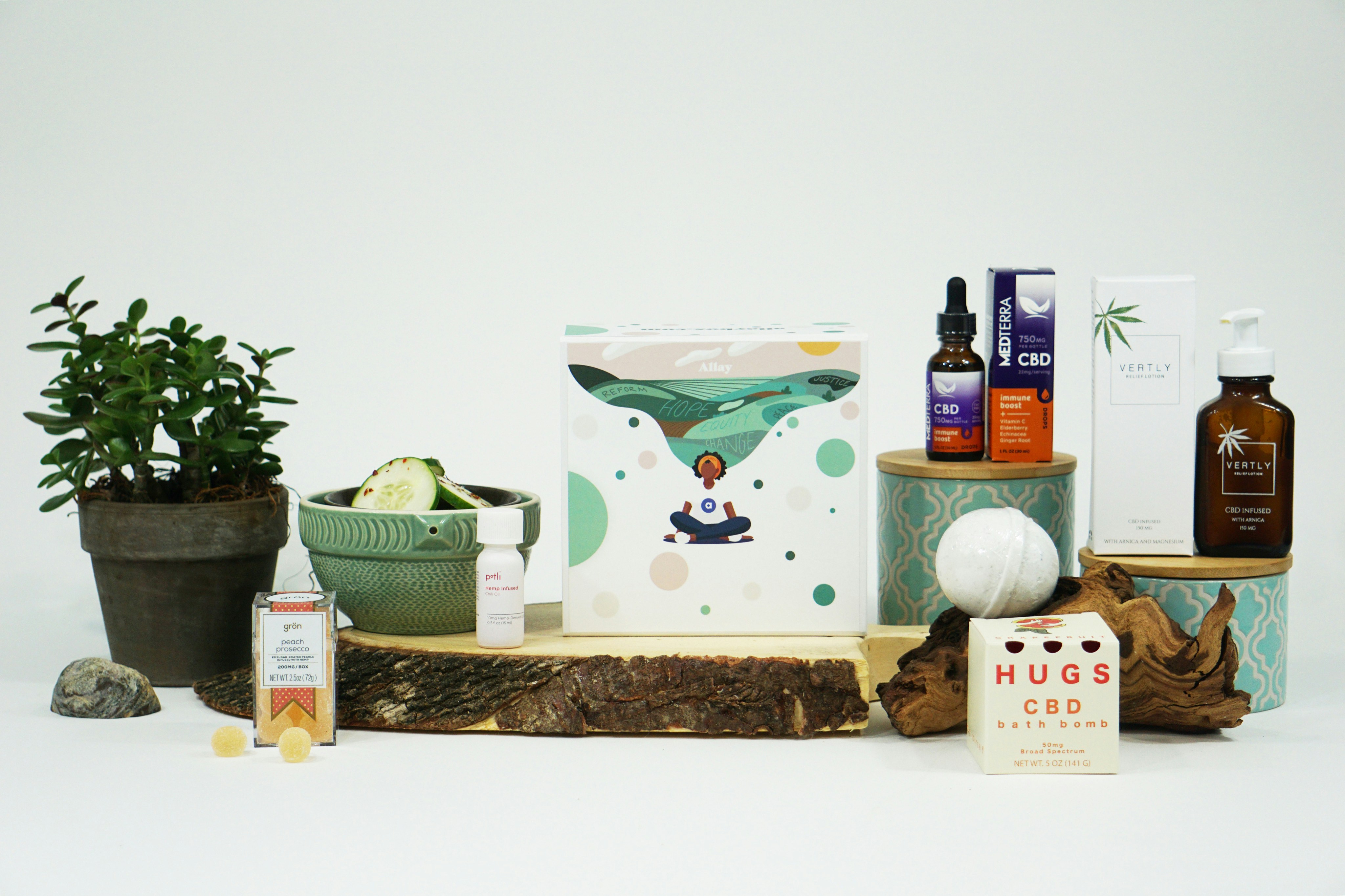
Share the joy of indoor herb gardening with your loved ones by giving them thoughtful gifts infused with the goodness of homegrown herbs. Create personalized herb-infused oils by combining dried herbs like basil or rosemary with high-quality olive oil in decorative bottles. Make homemade herb-infused salts by mixing finely chopped herbs such as mint or thyme with coarse sea salt in charming glass jars tied with ribbons. These unique gifts will not only impress but also inspire others to embark on their own indoor herb-growing journey.
With these creative ways to use your indoor herbs, you can elevate your culinary creations, enhance your wellness routine, and spread the joy of gardening to others. So why wait? Start your own indoor herb garden today and unlock a world of possibilities.
Conclusion
Indoor herb gardening offers a multitude of benefits, from convenience to flavor. By growing your own herbs indoors, you have easy access to fresh ingredients right at your fingertips. Imagine plucking a few sprigs of basil or mint while cooking, adding an aromatic burst of flavor to your dishes. With the right herbs thriving in your indoor garden, you can elevate both your cooking and wellness routines.
Incorporating homegrown herbs into your meals not only enhances the taste but also provides numerous health benefits. Basil, mint, and rosemary are among the best herbs to grow indoors due to their adaptability and versatility in various recipes. Whether you're making a fragrant pesto sauce with basil or infusing refreshing mint into beverages, the flavors will be unparalleled compared to store-bought alternatives.
Additionally, cultivating an indoor herb garden allows you to explore creative possibilities beyond the kitchen. You can experiment with DIY herbal remedies and beauty products using fresh herbs like lavender for soothing bath salts or chamomile for calming face masks. The possibilities are endless when it comes to harnessing the natural properties of herbs for self-care and wellness.
Starting your own indoor herb garden is easier than you might think. With careful planning and consideration of each herb's growth requirements, you can create an ideal environment for them to thrive. Selecting suitable containers and soil, providing adequate lighting, and implementing proper watering techniques are essential steps in nurturing healthy herb plants indoors.
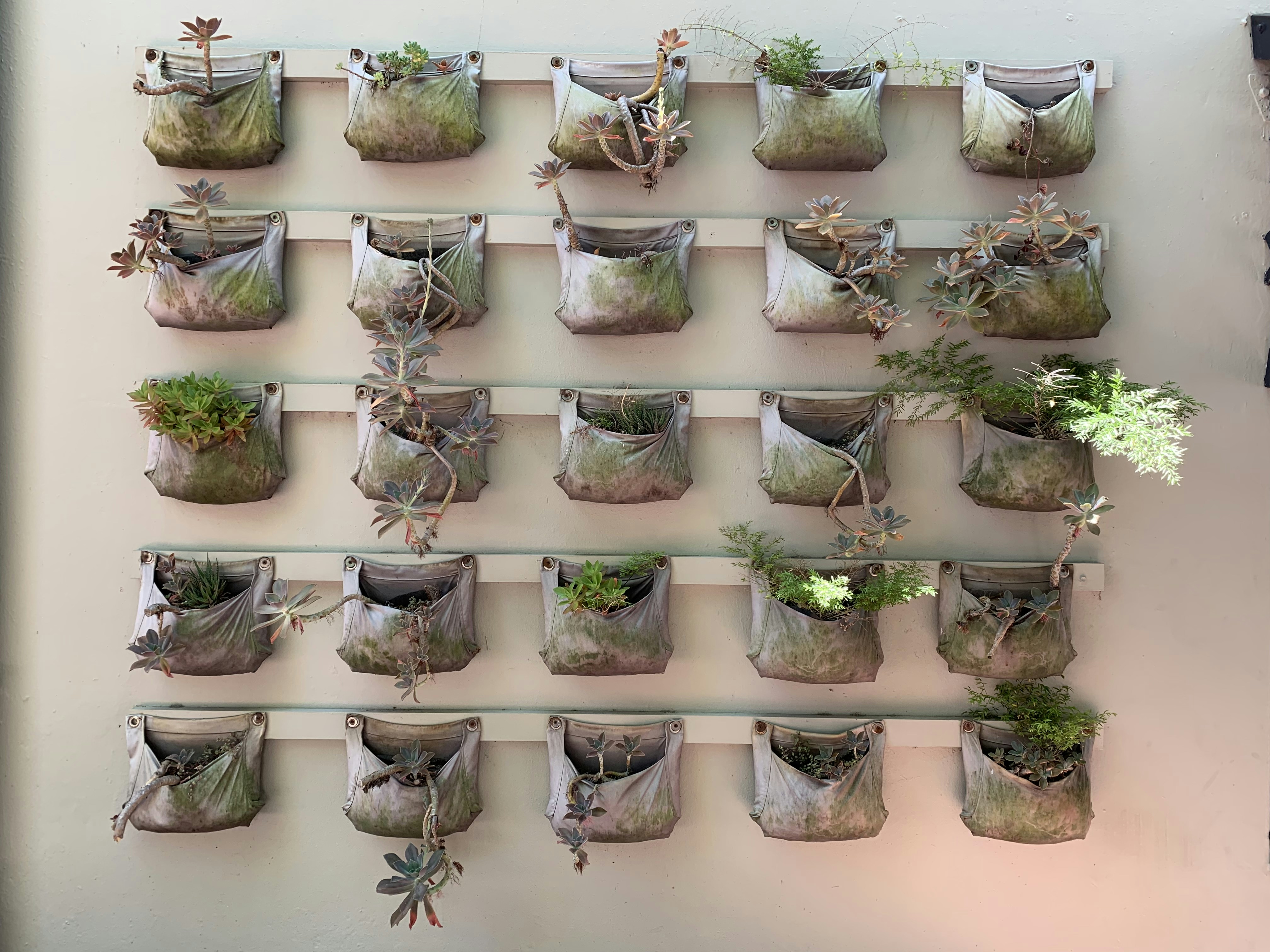
Of course, challenges may arise along the way. Pest infestations can be prevented by maintaining cleanliness and using natural deterrents like neem oil or companion planting techniques. Common diseases can be addressed through timely diagnosis and treatment with organic solutions such as diluted vinegar sprays or homemade fungicides. And even if you have limited space in a small apartment, vertical gardening or utilizing windowsills can maximize your growing area.
To truly embrace the world of indoor herb gardening, get creative with your harvests. Explore delicious recipes that showcase the vibrant flavors of your homegrown herbs. From zesty pestos to aromatic herb-infused oils, you can take your culinary creations to new heights. Additionally, consider gifting friends and loved ones with homemade herb-inspired presents, such as personalized herb-infused oils or scented candles.
In conclusion, indoor herb gardening offers a wealth of benefits and possibilities. Enjoy the convenience and flavor it brings to your cooking while elevating your wellness routines with the natural properties of herbs. So why wait? Start planning and create your own indoor herb garden today. Unlock a world of possibilities and savor the satisfaction of growing and using your very own fresh herbs.