Introduction
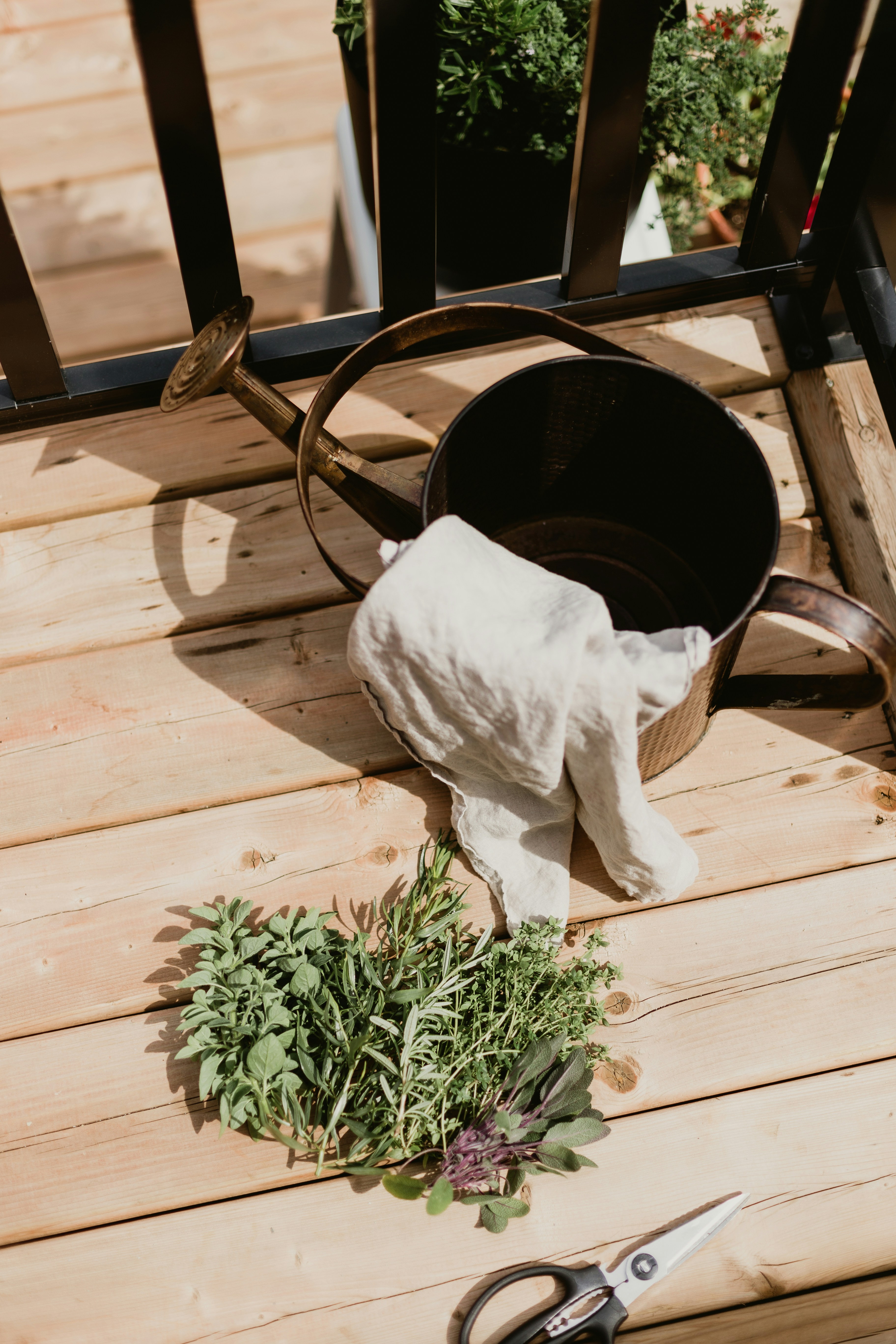
Are you ready to embark on a journey of green thumbs and delicious harvests? Look no further, as we dive into the world of beginner vegetable gardening tips. Whether you have a spacious backyard or just a small balcony, vegetable gardening offers numerous benefits that go beyond just fresh produce. From the joy of nurturing plants to the satisfaction of enjoying homegrown meals, this guide will equip you with everything you need to get started. So grab your gardening gloves and let's dig in!
The Benefits of Vegetable Gardening
Vegetable gardening is not only a rewarding hobby but also a great way to improve your overall well-being. By growing your own vegetables, you can ensure that they are free from harmful pesticides and chemicals, promoting a healthier lifestyle for you and your family. Additionally, spending time outdoors in nature has been proven to reduce stress levels and boost mental health. So why not combine the benefits of fresh air and nutritious food by starting your own vegetable garden?
Getting Started with Vegetable Gardening
Before you jump into planting seeds, it's important to lay the groundwork for a successful vegetable garden. Start by choosing an appropriate location that receives ample sunlight and has well-drained soil. If space is limited, don't worry! We'll explore alternative options like container gardening that allow you to grow vegetables even in small spaces. Once you have your location sorted out, it's time to select the right vegetables for your garden.
Essential Tools and Supplies for Beginners
To set yourself up for success as a beginner gardener, it's crucial to have the right tools and supplies on hand. Some essential items include a sturdy trowel for digging, pruners for trimming plants, watering cans or hoses for irrigation, and gloves to protect your hands from thorns or dirt. Additionally, investing in high-quality soil amendments and organic fertilizers will help nourish your plants and promote healthy growth. With these tools and supplies in your arsenal, you'll be well-prepared to tackle any gardening challenge that comes your way.
Choosing the Right Location
When starting out with vegetable gardening, it's important to choose the right location for your garden. Evaluating sunlight and soil conditions is key to ensuring successful growth of your vegetables.
Evaluating Sunlight and Soil Conditions
One of the first things to consider when choosing a location for your vegetable garden is the amount of sunlight it receives. Most vegetables require at least 6 hours of direct sunlight each day, so make sure to select an area that gets adequate sunlight. Additionally, assess the soil conditions in your chosen spot. Vegetables thrive in well-draining soil that is rich in organic matter. Conduct a soil test to determine its pH level and nutrient content, and make any necessary amendments to create optimal growing conditions.
Utilizing Small Spaces for Vegetable Gardening
If you have limited space, don't worry! You can still enjoy the benefits of vegetable gardening by utilizing small spaces effectively. Consider vertical gardening techniques such as trellises or using hanging baskets to grow vining vegetables like tomatoes or cucumbers. You can also maximize space by interplanting fast-growing crops like lettuce or radishes between slower-growing plants.
Container Gardening: An Alternative for Limited Spaces
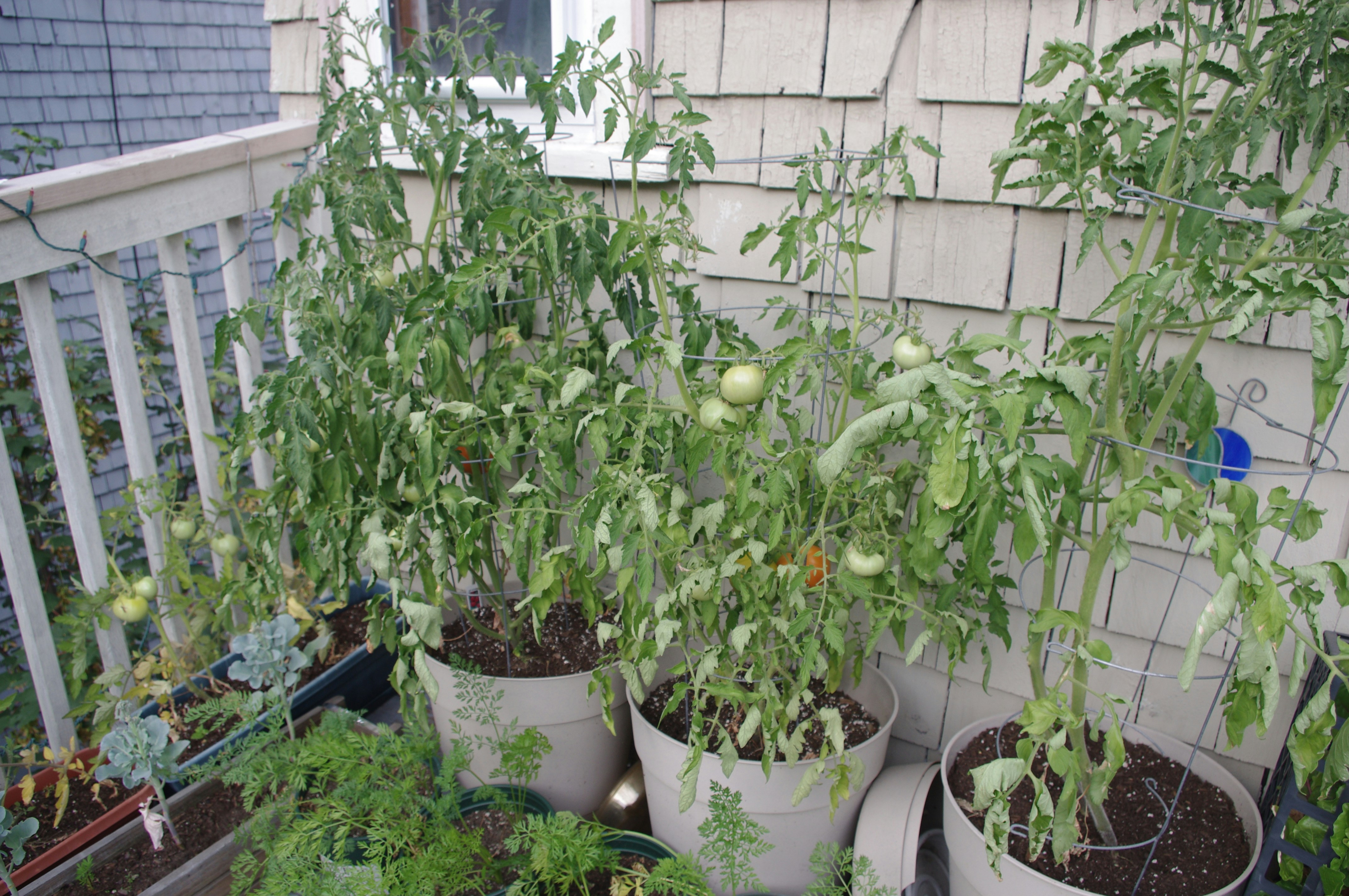
Container gardening is another great option for beginners with limited space. You can grow a variety of vegetables in containers such as pots, buckets, or even repurposed items like old tires or barrels. Just make sure your containers have drainage holes and are large enough to accommodate the root systems of your chosen vegetables. Container gardens offer flexibility as they can be moved around to optimize sunlight exposure and are easier to maintain.
Choosing the right location for your vegetable garden is crucial for the success of your plants. Evaluate sunlight and soil conditions, utilize small spaces effectively, and consider container gardening as an alternative for limited spaces. By doing so, you'll be well on your way to a thriving vegetable garden that brings joy and fresh produce to your home.
Selecting the Right Vegetables
When it comes to beginner vegetable gardening, selecting the right vegetables is crucial for a successful harvest. Here are some easy-to-grow vegetables that are perfect for beginners:
Easy-to-Grow Vegetables for Beginners
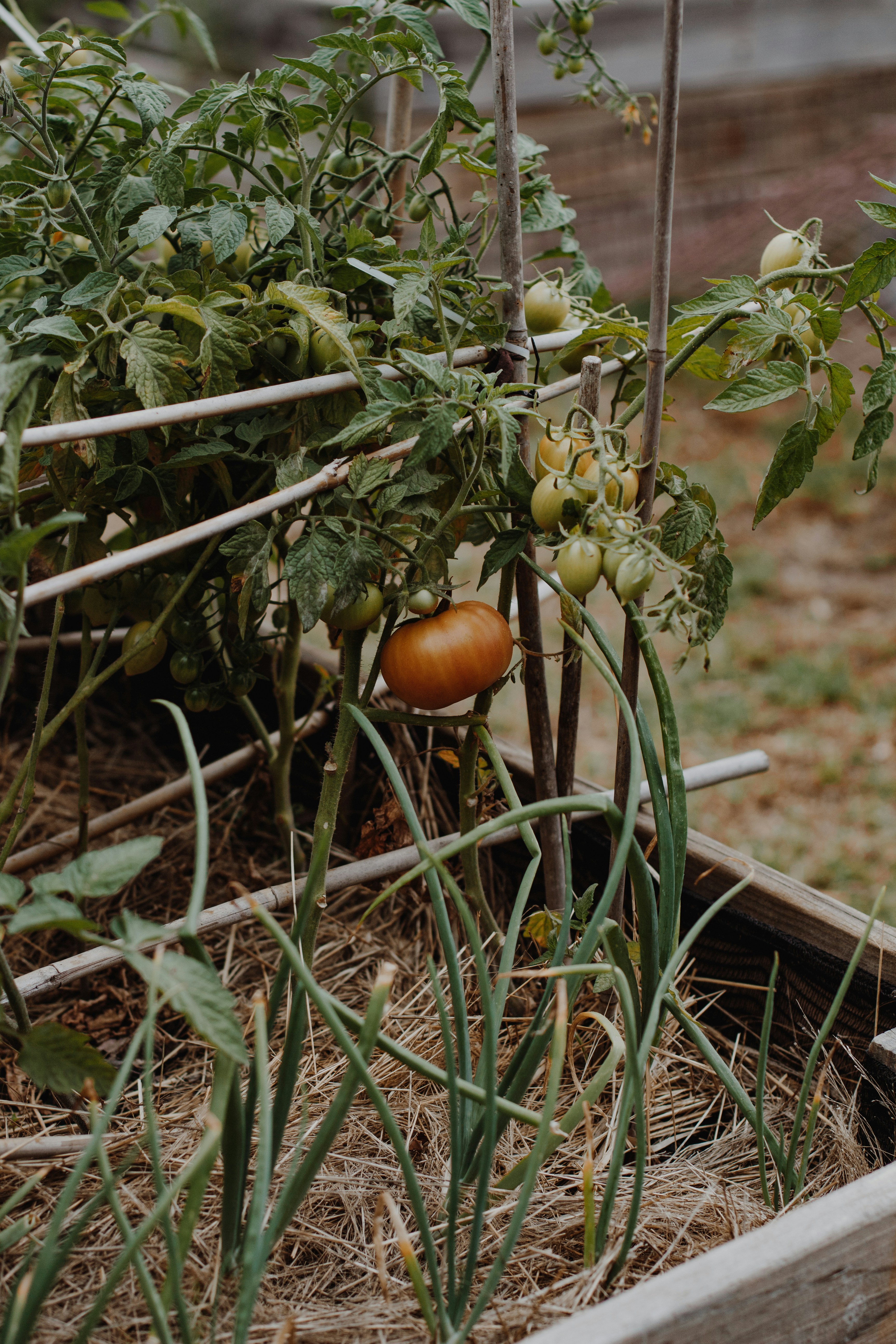
If you're just starting out with vegetable gardening, it's best to choose vegetables that are low-maintenance and forgiving. Some great options include tomatoes, lettuce, radishes, and green beans. These vegetables are relatively easy to grow and require minimal care.
Tomatoes are a popular choice for beginners because they can be grown in containers or in the ground. They thrive in warm weather and need plenty of sunlight. Lettuce is another beginner-friendly vegetable that can be grown in small spaces or containers. It grows quickly and can be harvested multiple times throughout the season.
Radishes are a fast-growing root vegetable that can be planted directly in the ground or in containers. They require minimal maintenance and can be harvested within a month of planting. Green beans are also easy to grow and produce a bountiful harvest. They can be grown vertically to save space and provide support for their climbing vines.
Planning Your Vegetable Garden Layout
Before you start planting your vegetables, it's important to plan your garden layout carefully. Consider factors such as sunlight exposure, spacing requirements, and companion planting.
Start by choosing a location that receives at least six hours of direct sunlight each day. This will ensure that your vegetables receive enough light for optimal growth. Next, determine the spacing requirements for each vegetable variety you plan to grow. Some plants need more space than others, so make sure to give them enough room to spread out.
Companion planting is another important aspect of planning your garden layout. Certain plants have natural pest-repelling properties or provide beneficial nutrients to neighboring plants when planted together. For example, planting marigolds near tomatoes can help deter pests like aphids and nematodes. Research companion planting combinations to maximize the health and productivity of your vegetable garden.
Companion Planting for Optimal Growth and Pest Control
Companion planting is a smart strategy for both optimal growth and pest control in your vegetable garden. By pairing certain plants together, you can create a natural balance that helps deter pests and promotes healthy growth.
One classic example of companion planting is growing basil alongside tomatoes. Basil acts as a natural pest repellent, keeping pests like aphids and hornworms away from your tomato plants. Plus, the aroma of basil can enhance the flavor of tomatoes when used in cooking.
Another beneficial combination is planting carrots with onions or leeks. Carrots are prone to carrot fly infestations, but the strong scent of onions or leeks can mask the smell that attracts these pests. This simple pairing can help protect your carrots from damage.
Remember to avoid planting vegetables from the same family too close together as they may compete for nutrients or attract similar pests. By carefully selecting companion plants, you can create a harmonious garden ecosystem that supports healthy growth and minimizes pest problems.
Preparing the Soil
To ensure a successful vegetable garden, it is crucial to prepare the soil properly. This section will cover soil testing and amendments, raised bed gardening, and organic mulching for weed control and moisture retention.
Soil Testing and Amendments
Before planting, it is essential to test your soil to determine its pH level and nutrient content. Soil testing kits are readily available at garden centers or can be sent to a laboratory for more accurate results. Based on the test results, you can make necessary amendments to improve the soil quality.
Adding organic matter such as compost or well-rotted manure can enhance the soil's fertility and structure. Additionally, incorporating organic fertilizers like bone meal or fish emulsion can provide essential nutrients for healthy plant growth. Regularly amending your soil will create a nutrient-rich environment that promotes strong root development and abundant harvests.
Raised Bed Gardening: Pros and Cons
Raised bed gardening is an excellent option for beginners as it offers several advantages. By elevating the planting area, raised beds provide better drainage, which prevents waterlogged roots and reduces the risk of disease. They also allow for better control over soil quality since you can fill them with a customized mix of compost, topsoil, and other amendments.
However, raised beds may require more initial investment in materials like lumber or stone for construction. They also necessitate regular watering since they tend to dry out faster than traditional gardens due to increased exposure to air circulation.
Organic Mulching for Weed Control and Moisture Retention
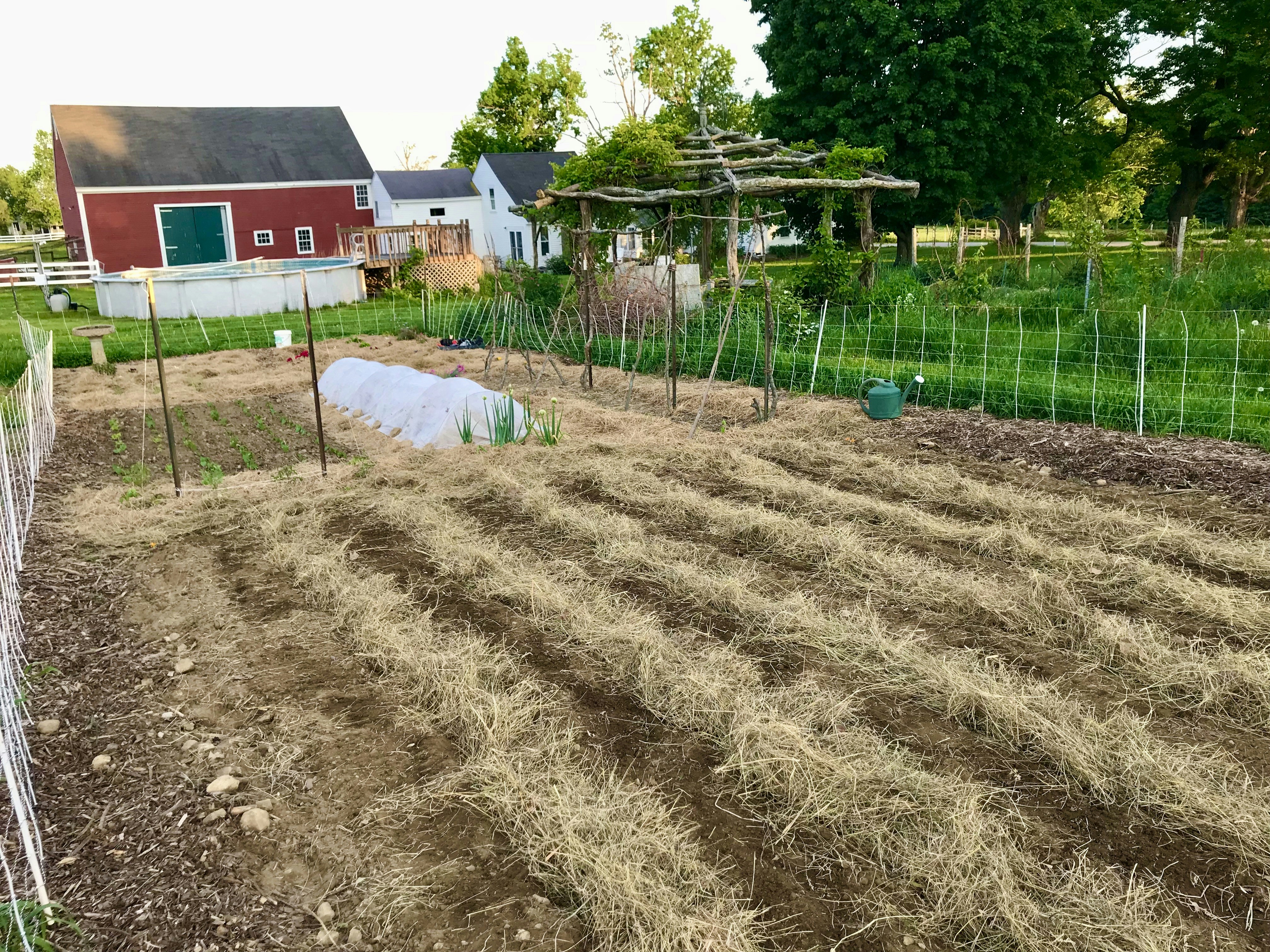
One effective technique for weed control and moisture retention is organic mulching. Applying a layer of organic material such as straw, wood chips, or shredded leaves around your plants helps suppress weed growth by blocking sunlight from reaching weed seeds.
Mulching also helps retain moisture in the soil by reducing evaporation caused by sun exposure. This not only conserves water but also provides a more stable growing environment for your vegetables. Additionally, as the organic mulch breaks down, it adds valuable nutrients to the soil, further enhancing its fertility.
Planting and Transplanting
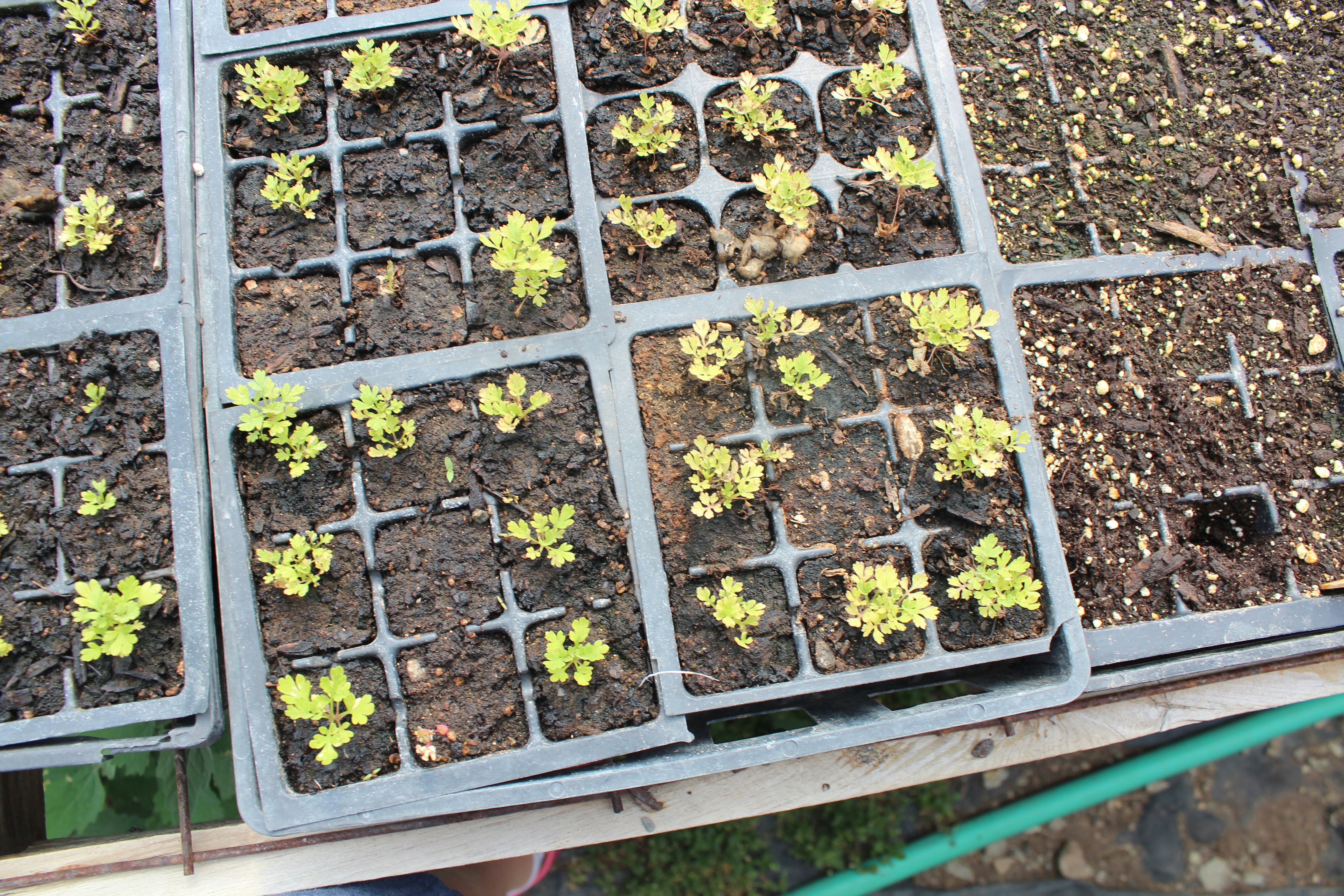
Starting Seeds Indoors: Tips and Tricks
Starting seeds indoors is a great way for beginner vegetable gardeners to get a head start on their growing season. To ensure success, it's important to follow a few tips and tricks. First, choose the right containers such as seed trays or pots with drainage holes. Fill them with a good quality seed starting mix that is light and sterile. Moisten the mix before sowing the seeds, then place them in a warm location with sufficient sunlight or under grow lights. Keep the soil consistently moist but not waterlogged, and provide gentle air circulation by using a small fan nearby. Once the seedlings have developed their first set of true leaves, they can be transplanted into larger pots or trays to continue growing until they're ready for outdoor planting.
When to Plant Vegetables Outdoors
Knowing when to plant vegetables outdoors is crucial for their success in your garden. It's important to consider both the specific vegetable you're planting and your local climate conditions. Some vegetables, like peas and lettuce, can tolerate cooler temperatures and can be planted as soon as the soil can be worked in early spring. Others, such as tomatoes and peppers, are more sensitive to cold temperatures and should be planted after all danger of frost has passed. Consult a local gardening guide or use online resources to determine the recommended planting dates for each vegetable in your area. Additionally, keep an eye on weather forecasts to avoid unexpected late frosts that could damage young plants.
Transplanting Seedlings for Better Success Rates
Transplanting seedlings is an essential step in the vegetable gardening process that can greatly improve success rates. When seedlings have grown to a suitable size and the outdoor conditions are favorable, they can be transplanted into their final growing location. Before transplanting, make sure to harden off the seedlings by gradually exposing them to outdoor conditions over the course of a week. Dig a hole slightly larger than the root ball of each seedling and gently place it in, making sure not to bury it too deep or damage the delicate roots. Firmly press the soil around the base of each plant and water thoroughly to help settle the soil. Provide shade or cover if necessary to protect young transplants from intense sunlight or strong winds.
Watering and Irrigation
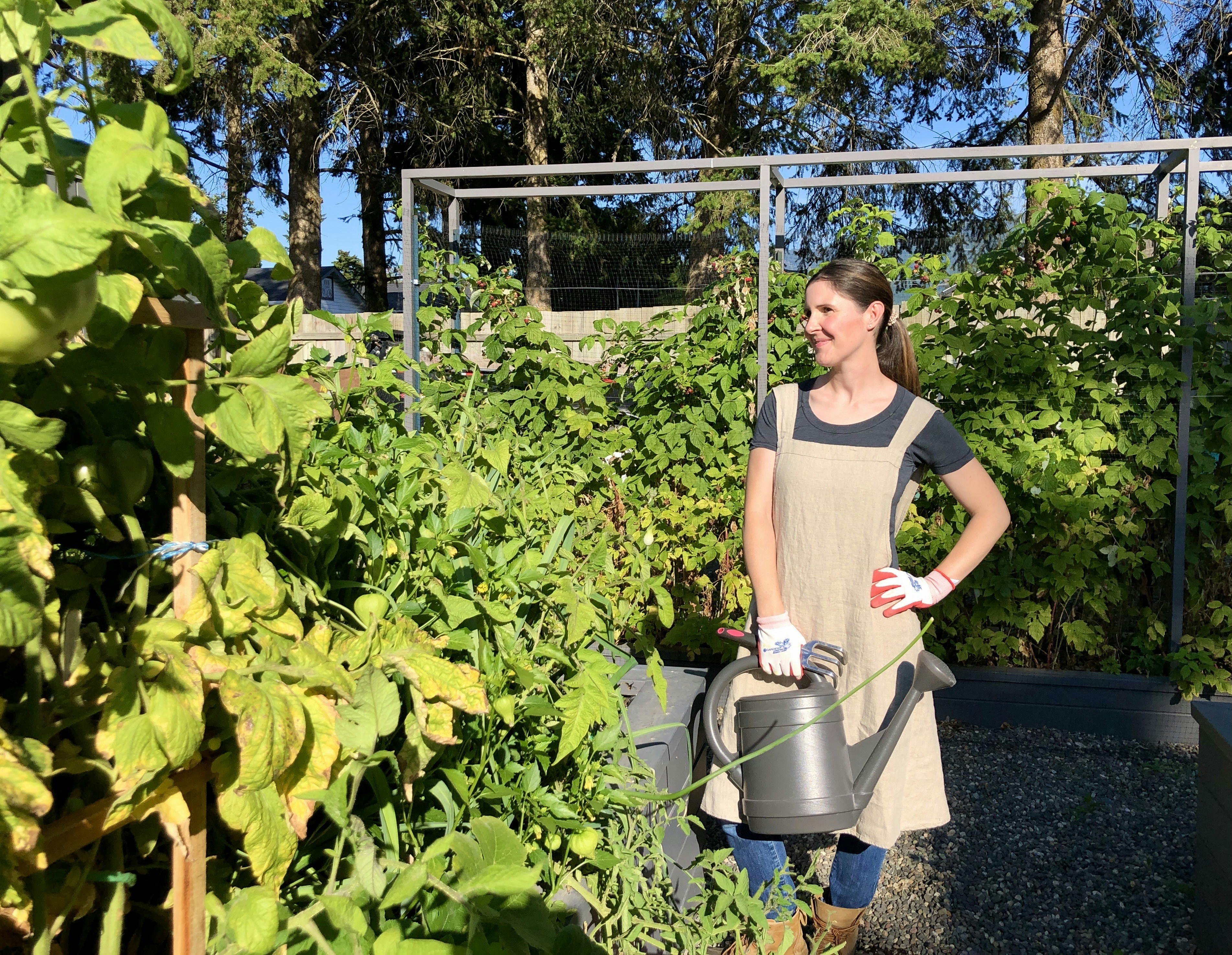
Proper watering is essential for the success of your vegetable garden. Here are some beginner vegetable gardening tips to help you achieve optimal watering techniques.
Watering Techniques for Vegetable Gardening
1. **Deep Watering**: Instead of frequent shallow watering, it's best to water deeply but less often. This encourages plants to develop deep root systems, making them more resilient to drought conditions.
2. **Morning Watering**: Water your vegetable garden in the morning to allow foliage and soil to dry out during the day. This helps prevent fungal diseases that thrive in damp conditions.
3. **Water at the Base**: Direct water at the base of plants rather than spraying over their leaves. This ensures that the roots receive adequate moisture and reduces the risk of foliar diseases.
4. **Mulching**: Apply a layer of organic mulch around your plants to conserve moisture in the soil and reduce evaporation. Mulch also helps suppress weeds, keeping your garden neat and tidy.
Efficient Irrigation Systems for Beginners
1. **Drip Irrigation**: Consider installing a drip irrigation system, especially if you have a larger vegetable garden or limited time for manual watering. Drip irrigation delivers water directly to plant roots, minimizing waste through evaporation or runoff.
2. **Soaker Hoses**: Another efficient option is using soaker hoses which release water slowly along their length, ensuring deep penetration into the soil without wastage.
3. **Rain Barrels**: Collect rainwater in barrels placed strategically around your garden to use for watering during dry spells or when municipal water restrictions are in place.
Tips for Conserving Water in the Garden
1. **Group Plants by Water Needs**: Arrange your vegetables according to their water requirements so that you can irrigate efficiently without overwatering certain plants unnecessarily.
2. **Monitor Soil Moisture**: Regularly check the moisture level of your soil by inserting your finger or a moisture meter into the ground. This will help you determine when and how much to water.
3. **Use Mulch**: As mentioned earlier, mulching is a great way to conserve water. It acts as a barrier, preventing evaporation and reducing the need for frequent watering.
Remember, proper watering is crucial for healthy vegetable growth. By adopting these beginner vegetable gardening tips and implementing efficient irrigation techniques, you'll be well on your way to achieving a thriving and productive garden while conserving water resources.
Pest and Disease Management
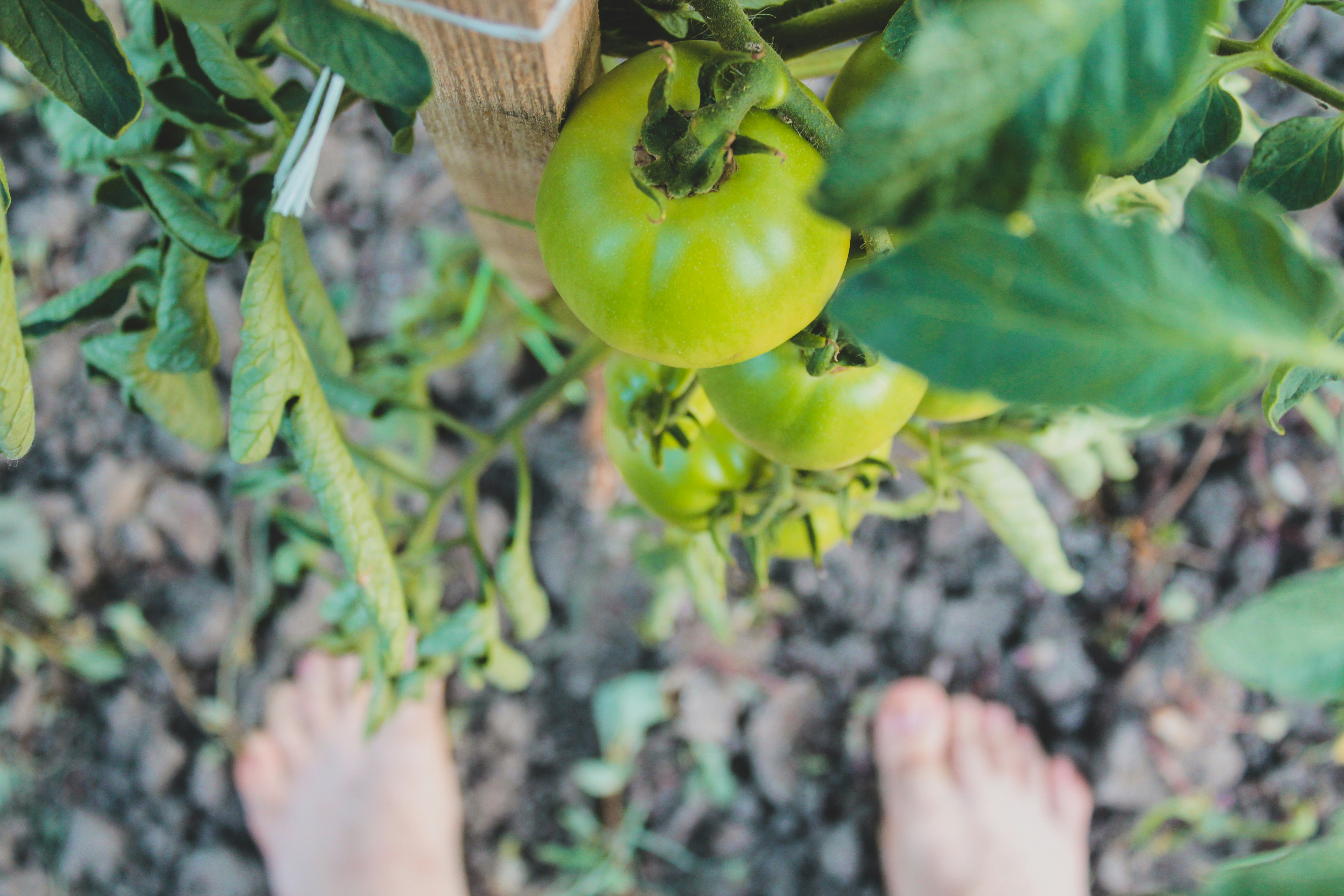
Identifying and Preventing Common Garden Pests
When it comes to beginner vegetable gardening tips, one of the key challenges is dealing with garden pests. Identifying common garden pests is crucial in preventing damage to your plants. Look out for signs such as chewed leaves, holes in fruits, or wilting plants. Some common culprits include aphids, slugs, and caterpillars. To prevent these pests from wreaking havoc on your garden, try companion planting with pest-repelling plants like marigolds or using physical barriers like row covers. Regularly inspecting your plants will help you catch any potential infestations early on.
Natural and Organic Pest Control Methods
As a beginner gardener, it's important to prioritize natural and organic pest control methods to maintain a healthy ecosystem in your garden. One effective method is attracting beneficial insects like ladybugs and lacewings that feed on garden pests. You can do this by planting flowers that attract these beneficial insects, such as dill or yarrow. Additionally, making homemade insecticidal soaps using ingredients like dish soap and water can help control aphids and other soft-bodied pests without harming beneficial insects.
Early Detection and Treatment of Plant Diseases
Another aspect of pest and disease management in vegetable gardening is early detection and treatment of plant diseases. Keep an eye out for symptoms like yellowing leaves, spots on foliage, or stunted growth. Common plant diseases include powdery mildew, blight, and rot. To prevent the spread of diseases, make sure to promptly remove infected plants or affected parts from the garden. Applying organic fungicides like neem oil can also help control fungal diseases.
Harvesting and Maintenance
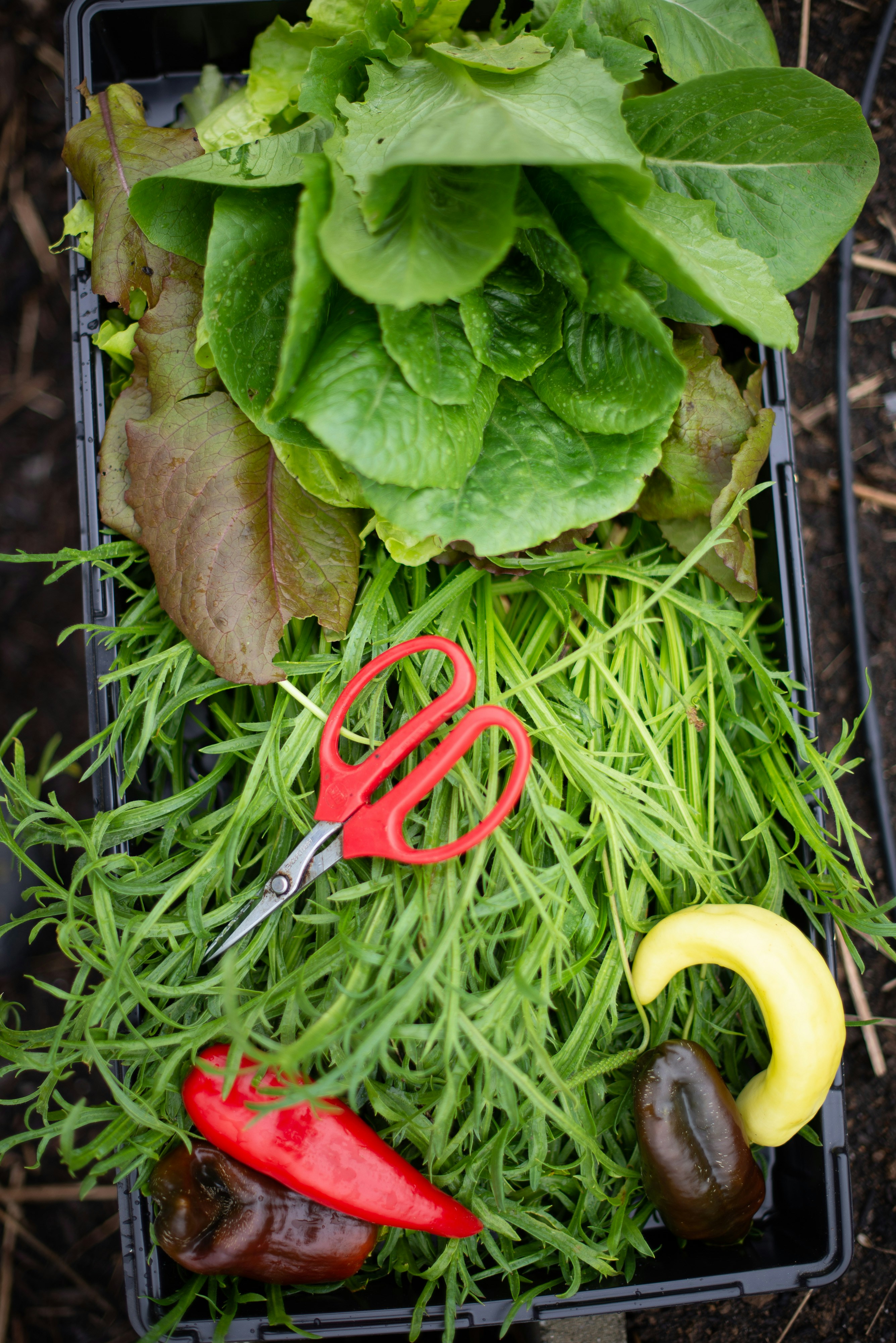
Knowing When to Harvest Vegetables
Harvesting vegetables at the right time is crucial for optimal flavor and nutrition. As a beginner vegetable gardener, it's important to know when your crops are ready to be picked. One way to determine this is by checking the maturity date on the seed packet or plant label. Additionally, you can use visual cues such as color and size. For example, ripe tomatoes will have a vibrant red color and be firm but slightly yielding when gently squeezed. Remember, it's better to harvest slightly early than too late to ensure the best taste and texture.
Storing and Preserving Fresh Produce
Once you've harvested your vegetables, proper storage is essential to maintain their freshness and flavor. Some vegetables, like carrots and radishes, can be stored in the refrigerator for several weeks if placed in a plastic bag with holes for ventilation. Others, such as potatoes and onions, prefer cool, dark places like a basement or pantry. Leafy greens should be washed, dried thoroughly, and stored in an airtight container or bag with a paper towel to absorb excess moisture.
Preserving fresh produce is another great way to enjoy your harvest throughout the year. Freezing is one of the easiest methods and works well for many vegetables like peas, corn, and beans. Blanch them briefly in boiling water before transferring them into freezer-safe bags or containers. Canning is another popular preservation technique that allows you to store vegetables in jars with vinegar or brine solutions.
Maintaining and Cleaning Garden Tools
Taking care of your garden tools not only prolongs their lifespan but also ensures that they function properly when needed. After each use, make sure to remove any dirt or debris from your tools using a brush or hose. If there are any stubborn stains or rust spots, gently scrub them away with steel wool or sandpaper.
To prevent rusting, apply a thin coat of oil to metal surfaces. Wooden handles should be wiped down with a cloth dampened with linseed oil to keep them from drying out and cracking. Proper storage is also important to prevent damage. Hang your tools or store them in a dry place away from extreme temperatures.
Conclusion

Celebrating Your Vegetable Gardening Success
As you wrap up your vegetable gardening journey, take a moment to celebrate your achievements. Look back at the thriving plants, delicious harvests, and the joy of nurturing life from seed to plate. Share your accomplishments with friends and family, inviting them to taste the fruits of your labor. Remember, a successful vegetable garden is not only about the end result but also about the satisfaction and pride that comes with it.
Sharing Your Harvest with Friends and Family
One of the greatest joys of vegetable gardening is being able to share the abundance of fresh produce with loved ones. Whether it's a basket of vibrant tomatoes or a bundle of crisp lettuce, giving away your harvest is a wonderful way to spread happiness and healthy eating. Invite friends over for a garden-to-table meal or surprise neighbors with a bag of freshly picked vegetables. Sharing your homegrown bounty not only nourishes others but also strengthens bonds and fosters community.
Continuing to Learn and Improve as a Gardener
As you embark on your vegetable gardening journey, remember that learning never stops. Each season brings new challenges and opportunities for growth. Stay curious and open-minded, seeking out new techniques, varieties, and knowledge from fellow gardeners or online resources. Experiment with different planting methods or try growing unfamiliar vegetables to expand your skills. Embrace both successes and failures as valuable lessons that will help you become an even better gardener in the future.