Introduction
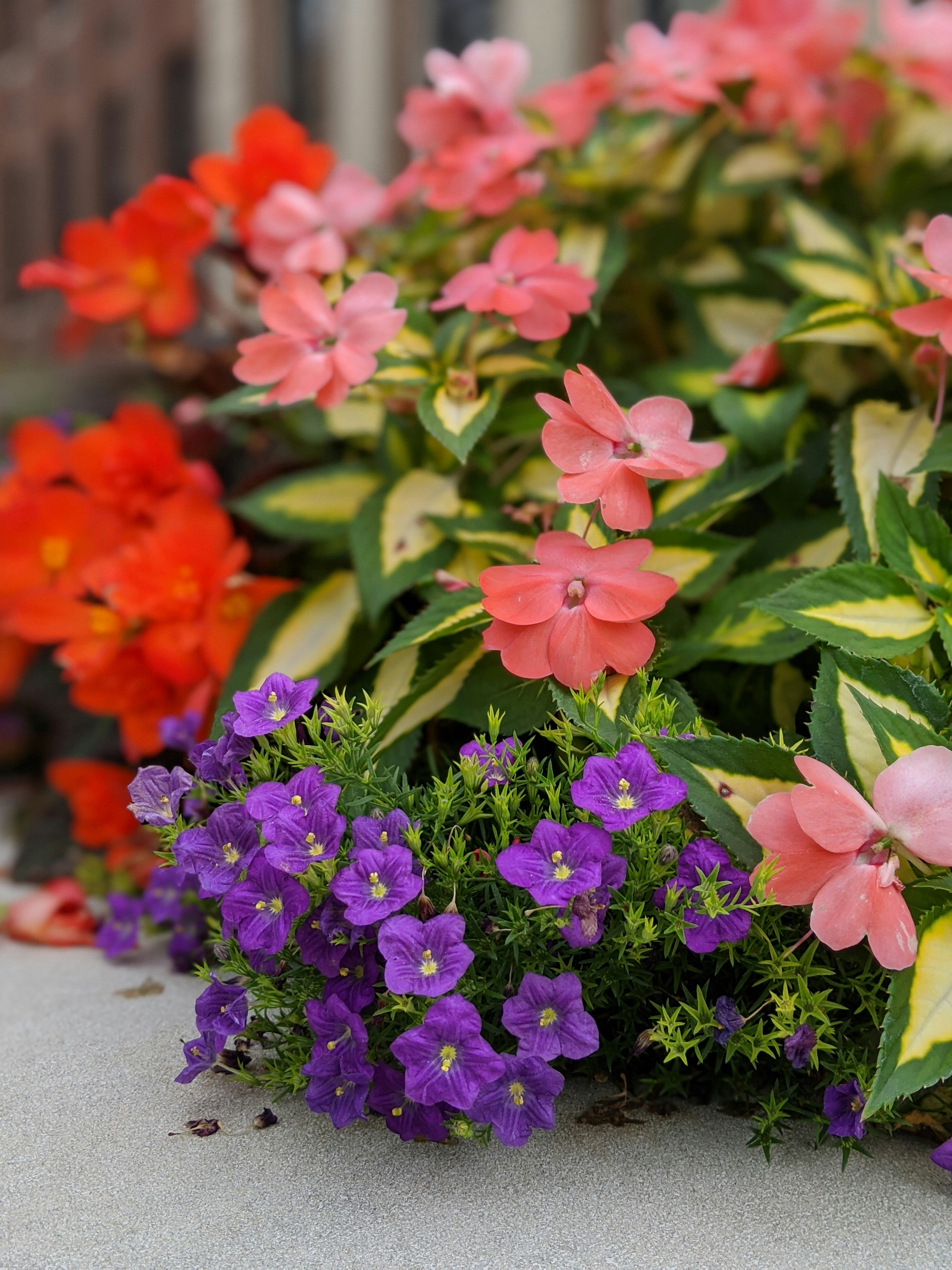
Container gardening for small spaces is a fantastic way to bring the beauty of plants into your home, even if you have limited outdoor space. Whether you live in an apartment with a tiny balcony or a cozy house with a small backyard, container gardening allows you to create a lush and vibrant garden oasis. In this guide, we will explore the benefits of container gardening for small spaces, discuss how to choose the right containers for your garden, and highlight essential tools and supplies that will help you succeed in your container gardening endeavors.
The Benefits of Container Gardening for Small Spaces
Container gardening offers numerous benefits for those with limited space. One of the key advantages is its versatility - containers can be placed on windowsills, balconies, or any available surface in your home or yard. This flexibility allows you to maximize every inch of space and transform it into a green sanctuary.
Not only does container gardening provide aesthetic appeal, but it also offers practical advantages. By growing plants in containers, you have more control over their environment. You can easily move them around to optimize sunlight exposure or protect them from harsh weather conditions. Additionally, container gardens are less prone to weeds and pests compared to traditional gardens.
How to Choose the Right Containers for Your Garden
Choosing the right containers is crucial for successful container gardening. When selecting containers, consider both functionality and aesthetics. Opt for containers that have drainage holes to prevent waterlogging and promote healthy root growth.
The size of the containers is also important - larger plants require bigger pots with sufficient space for their roots to spread out. However, keep in mind that larger pots can be heavy and difficult to move around if needed.
Furthermore, consider the material of the containers. Terracotta pots are popular due to their natural appearance but tend to dry out quickly. Plastic or resin containers are lightweight and retain moisture better but may not provide as much insulation during extreme temperatures. Ultimately, choose containers that suit your gardening needs and complement your personal style.
Essential Tools and Supplies for Container Gardening
To embark on your container gardening journey, there are a few essential tools and supplies you'll need. Firstly, invest in a good quality trowel for planting and transplanting. A hand pruner or secateurs will come in handy for pruning and deadheading plants.
You'll also need a watering can or hose with a gentle spray attachment to ensure proper hydration for your plants. Additionally, consider purchasing a moisture meter to accurately monitor the moisture levels in your containers.
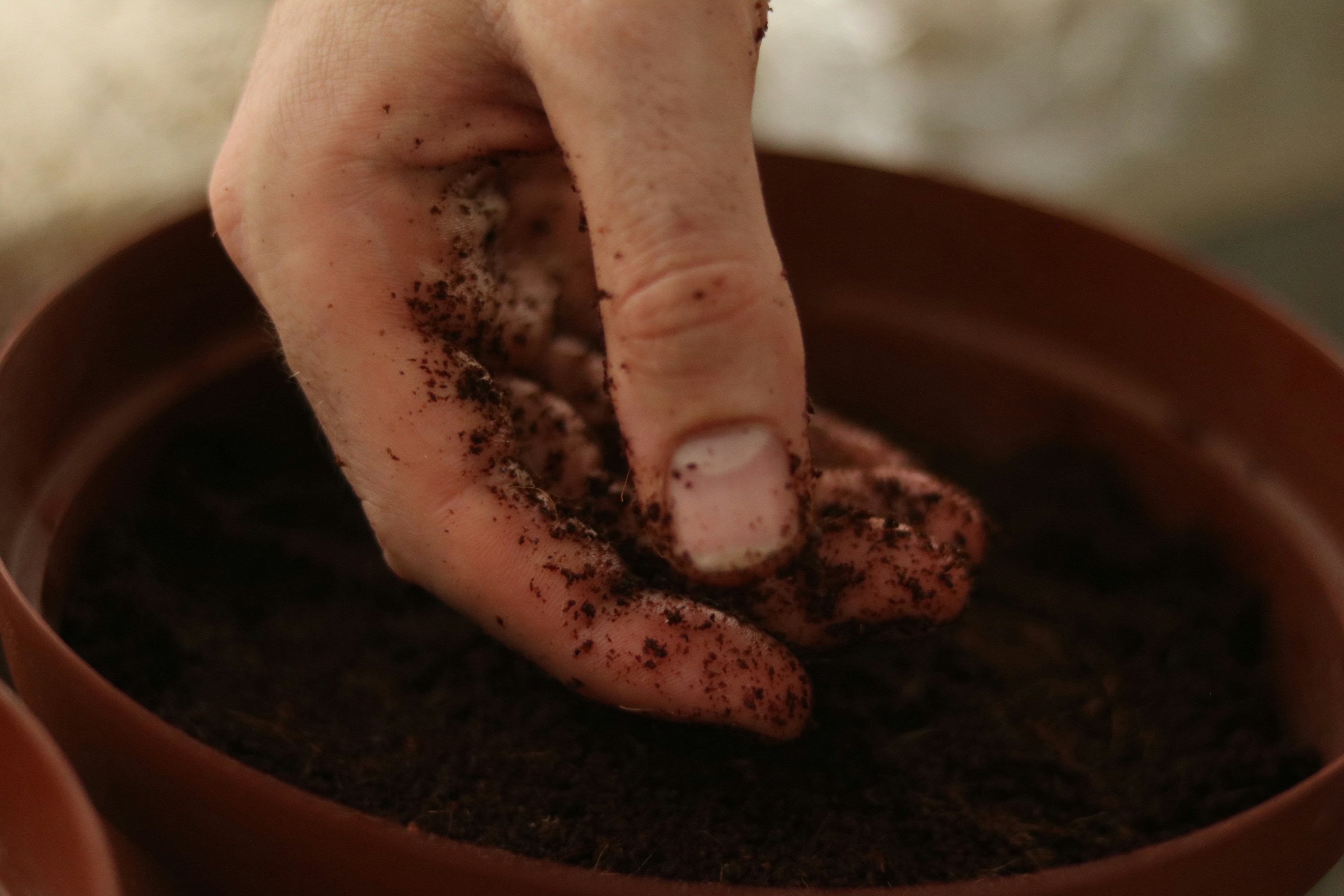
Don't forget about soil! Choose a high-quality potting mix that is well-draining but retains enough moisture for healthy plant growth. Lastly, consider adding slow-release fertilizers or organic compost to provide essential nutrients to your container plants.
Getting Started with Container Gardening
Container gardening is a fantastic solution for those with limited space, allowing you to bring the beauty of plants into small areas like balconies, patios, or even windowsills. To get started, it's important to assess your available space and the amount of sunlight it receives.
Assessing Your Space and Sunlight
When assessing your space, consider the size and layout of your area. Measure the dimensions to determine how many containers you can fit comfortably. Take note of any obstacles or obstructions that may affect plant growth or access to sunlight.
Sunlight is crucial for the success of your container garden. Observe your space throughout the day to identify which areas receive direct sunlight and which are in shade. Most plants require at least six hours of direct sunlight daily, so choose containers that can be placed in these sunny spots.
Selecting the Right Plants for Your Containers
Choosing the right plants for your containers is essential to ensure their health and vitality. Consider factors such as light requirements, climate suitability, and personal preferences.
Opt for compact varieties or those specifically bred for container gardening to maximize limited space. Flowers like petunias, marigolds, and impatiens are excellent choices due to their vibrant colors and ability to thrive in containers.
If you're interested in growing edible plants, herbs like basil, mint, and rosemary are ideal options as they can be easily grown in pots while adding flavor to your culinary adventures.
Understanding Soil and Fertilizer Needs
Understanding soil composition is crucial for successful container gardening. Use a high-quality potting mix rather than garden soil as it provides better drainage and aeration while retaining moisture.
When selecting a potting mix, look for one specifically formulated for container gardening. These mixes often contain a blend of peat moss, vermiculite, and perlite to ensure optimal growing conditions for your plants.
To provide essential nutrients, fertilize your container garden regularly. Choose a slow-release fertilizer or opt for organic options like compost or worm castings. Follow the instructions on the fertilizer packaging to avoid over-fertilization, which can harm your plants.
By assessing your space and sunlight availability, selecting suitable plants, and understanding soil and fertilizer needs, you'll be well on your way to creating a thriving container garden in small spaces. Remember to choose containers that match your style and experiment with unique options like repurposed items or hanging baskets!
Designing Your Container Garden
Creating a Colorful and Balanced Layout
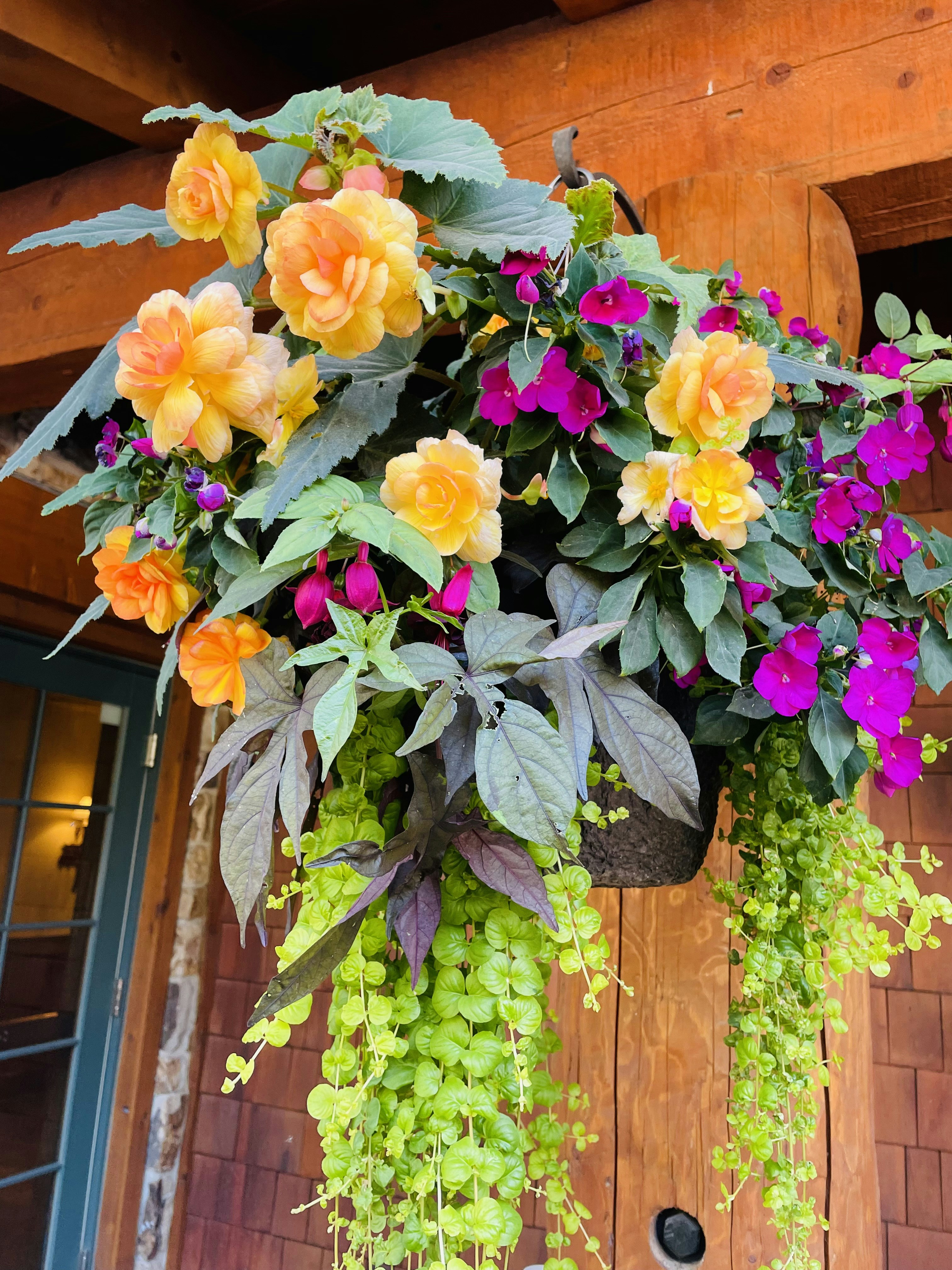
When designing your container garden for small spaces, it's important to create a layout that is both visually appealing and well-balanced. Choose plants with different heights, textures, and colors to add interest to your design. For example, pair tall plants like sunflowers or ornamental grasses with shorter plants like petunias or marigolds. Place them strategically in your containers to create a pleasing arrangement.
Incorporating Vertical Gardening Techniques
Vertical gardening is a great way to maximize space in small gardens. Consider using trellises or vertical planters to grow climbing plants such as cucumbers, tomatoes, or ivy. These structures not only provide support for the plants but also add height and dimension to your garden. By utilizing vertical space, you can grow more plants without taking up valuable ground space.
Utilizing Hanging Baskets and Window Boxes
Hanging baskets and window boxes are perfect for adding color and greenery to small spaces. Hang them from hooks on walls or railings, or place them on windowsills or balcony ledges. Fill them with trailing plants like ivy or cascading flowers like fuchsias for a beautiful display. These containers not only save space but also bring eye-catching beauty at eye level.
With careful planning and consideration of these design techniques, you can create a stunning container garden in even the smallest of spaces. By incorporating colorful layouts, vertical gardening techniques, and utilizing hanging baskets and window boxes, you'll transform your limited area into a lush oasis bursting with life.
Remember that container gardening is all about creativity and experimentation! Don't be afraid to try new arrangements or mix different plant varieties to find what works best for your space. Happy gardening!
Container Gardening Maintenance
Container gardening maintenance is crucial for ensuring the health and vitality of your plants in small spaces. Proper watering and drainage, managing pests and diseases, as well as pruning and deadheading techniques are all essential aspects to consider.
Watering and Drainage Tips for Healthy Plants
To keep your container garden thriving, it's important to provide adequate water while ensuring proper drainage. Watering deeply but infrequently is generally recommended to encourage deep root growth. Use your finger or a moisture meter to check the soil moisture level before watering again.
When it comes to drainage, ensure that your containers have sufficient drainage holes at the bottom. This allows excess water to escape, preventing root rot and other water-related issues. Additionally, using a well-draining potting mix that includes perlite or vermiculite can help improve drainage.
Managing Pests and Diseases in Containers
Even in small spaces, container gardens can still fall victim to pests and diseases. Regular monitoring of your plants is essential for early detection and prevention of infestations or infections.
One effective method is practicing good hygiene by removing any dead leaves or plant debris from the containers regularly. This helps minimize the risk of attracting pests or creating a favorable environment for diseases.
For pest control, natural remedies like neem oil or insecticidal soap can be used, ensuring they are safe for edible plants if you're growing vegetables or herbs. In cases of severe infestations or persistent diseases, consult with a local garden center or extension service for appropriate solutions.
Pruning and Deadheading Techniques
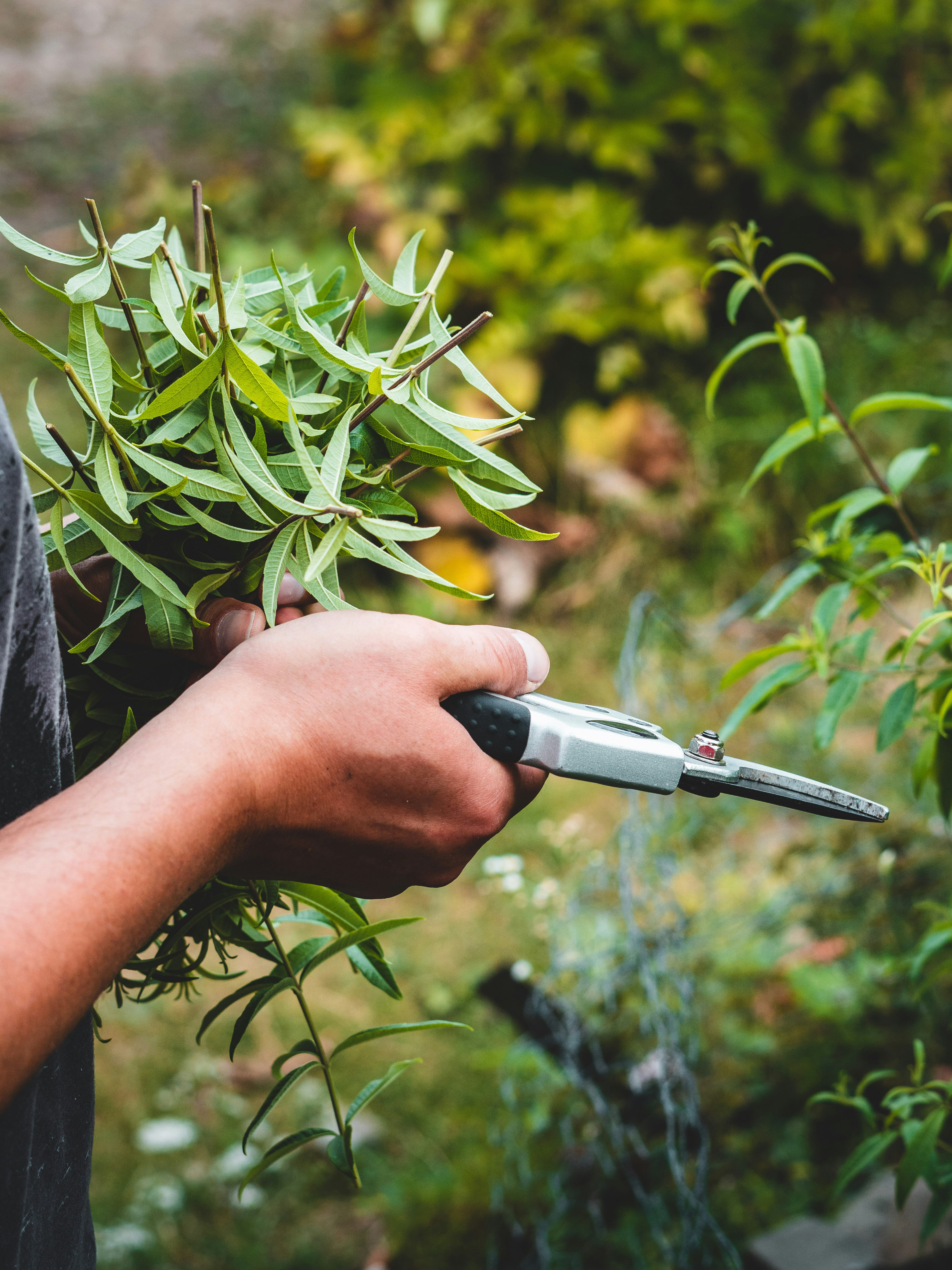
Pruning plays a vital role in maintaining the shape and health of container-grown plants. Regularly inspect your plants for any dead, damaged, or overgrown branches and remove them with clean pruning shears. This helps promote better air circulation and prevents the spread of diseases.
Deadheading, the removal of spent flowers, encourages continuous blooming and prevents seed production. Pinch or snip off faded flowers just above a set of healthy leaves or buds to stimulate new growth.
Remember to sterilize your pruning tools between plants to prevent the transmission of diseases. A simple wipe with rubbing alcohol or a solution of one part bleach to nine parts water will suffice.
By following these maintenance tips for container gardening in small spaces, you can ensure that your plants thrive and provide you with a beautiful and bountiful garden.
Advanced Techniques for Small-Space Container Gardening
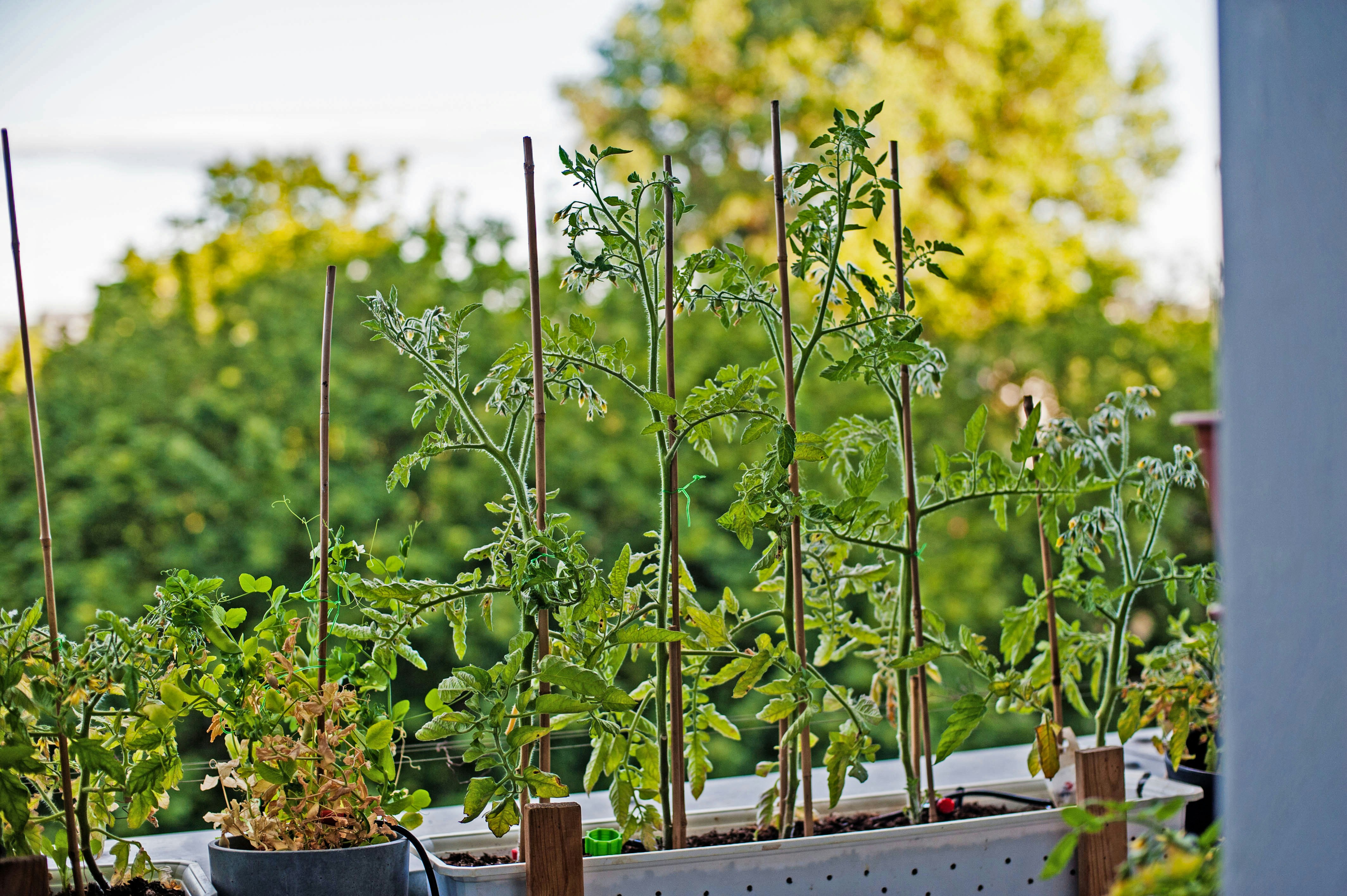
Container gardening for small spaces opens up a world of possibilities, allowing you to explore advanced techniques that maximize your limited area. By implementing companion planting and succession planting strategies, you can optimize space utilization and enhance the health and productivity of your plants.
Companion planting involves growing different plants together that benefit each other in some way. For example, pairing tomatoes with basil can help repel pests and improve flavor. Succession planting, on the other hand, involves planting crops in intervals to ensure a continuous harvest throughout the growing season. This technique is particularly useful for vegetables like lettuce or radishes that have short growing cycles.
Introducing hydroponics and aquaponics into your container garden takes things to another level. Hydroponics involves growing plants without soil by providing them with nutrient-rich water solutions. Aquaponics combines hydroponics with fish farming, where fish waste provides nutrients for the plants. These methods are highly efficient in terms of water usage and can yield impressive results in small spaces.
Utilizing trellises and arbors is another smart way to make the most of limited spaces. By training vining plants such as cucumbers or beans to grow vertically along a trellis or arbor, you can save valuable ground space while adding visual interest to your container garden. This technique also improves air circulation around the plants, reducing the risk of diseases.
With these advanced techniques, you can take your small-space container gardening to new heights. By implementing companion planting and succession planting, you'll optimize your plant combinations and harvests. Introducing hydroponics and aquaponics will allow you to grow plants without soil and maximize water efficiency. Finally, utilizing trellises and arbors will help you make the most of vertical space. Get creative and experiment with these techniques to create a thriving container garden in even the smallest of spaces.
Image message:
Troubleshooting Common Container Gardening Challenges
Container gardening for small spaces can present unique challenges that may require troubleshooting to ensure the success of your plants. In this section, we will address some common issues and provide solutions to help you overcome them.
Dealing with Limited Root Space and Transplant Shock
Limited root space is a common challenge in container gardening, as plants have less room to spread their roots compared to traditional gardens. To address this issue, choose compact varieties of plants that are well-suited for container gardening. Additionally, consider using deep containers to provide more room for root growth.
Transplant shock can occur when moving plants from one container to another or from a nursery pot into a container. To minimize transplant shock, gently loosen the roots before transferring the plant and avoid disturbing the root ball too much. Water the plant thoroughly after transplanting to help it settle into its new home.
Preventing Overwatering and Underwatering
Finding the right balance of watering can be challenging in container gardening. Overwatering can lead to root rot and other diseases, while underwatering can cause wilting and stunted growth.
To prevent overwatering, ensure that your containers have proper drainage holes to allow excess water to escape. Use a well-draining potting mix that allows water to flow freely through the soil. Monitor the moisture levels by sticking your finger about an inch into the soil; if it feels dry at that depth, it's time to water.
On the other hand, underwatering can be addressed by establishing a consistent watering schedule based on your plant's needs. Some signs of underwatering include drooping leaves and dry soil. Adjust your watering frequency accordingly but avoid overcompensating and causing overwatering.
Overcoming Nutrient Deficiencies in Containers
Container plants rely on you to provide them with essential nutrients, as the confined space limits their access to natural sources. Nutrient deficiencies can manifest as yellowing leaves, stunted growth, and poor flowering or fruiting.
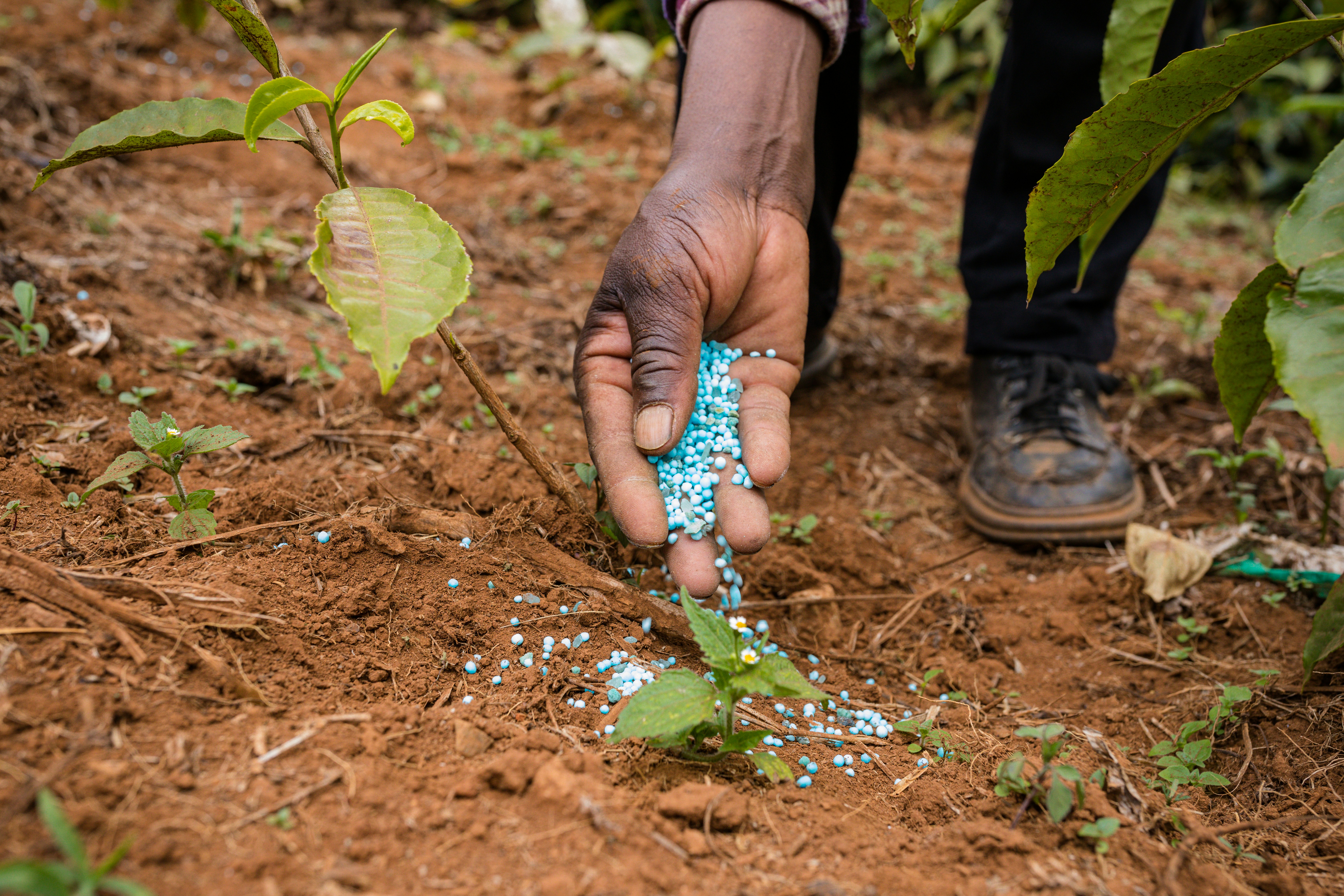
To overcome nutrient deficiencies, regularly fertilize your container plants with a balanced organic fertilizer. Follow the instructions on the fertilizer packaging for proper application rates. Additionally, consider using slow-release fertilizers that provide nutrients gradually over time.
Monitoring your plants for signs of nutrient deficiencies is crucial. Adjust your fertilization schedule or switch to a different type of fertilizer if you notice any symptoms. Remember that different plants have varying nutrient requirements, so research the specific needs of each plant in your container garden.
Conclusion
Creating a Thriving Container Garden in Small Spaces
Container gardening for small spaces offers numerous benefits, from bringing greenery into urban environments to providing a sense of accomplishment and relaxation. By following the tips and techniques outlined in this guide, you can create a thriving container garden even in the most limited spaces. Remember to carefully assess your space and sunlight, choose the right plants, and understand their soil and fertilizer needs. With proper maintenance and care, your container garden will flourish, adding beauty and life to your small space.
Experimenting with Unique Container Options
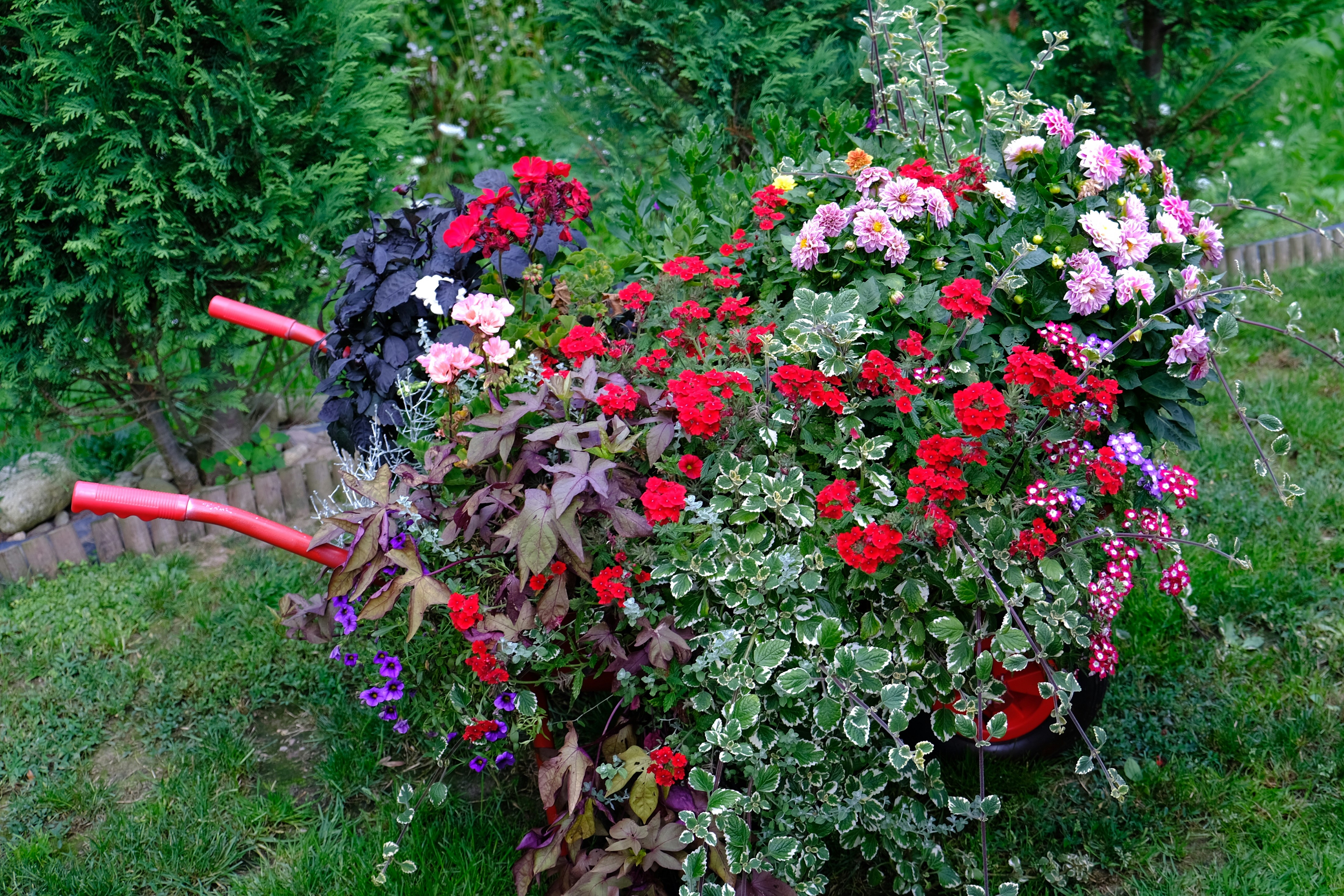
One of the joys of container gardening for small spaces is the opportunity to experiment with unique container options. Think beyond traditional pots and explore unconventional choices like repurposed items or vertical structures that maximize space utilization. Get creative with hanging baskets, window boxes, or even wall-mounted planters to add visual interest and variety to your garden. Don't be afraid to think outside the box – or pot – when it comes to creating a truly unique container garden.
Enjoying the Fruits of Your Container Gardening Efforts
After all the hard work you've put into planning, planting, and maintaining your container garden for small spaces, it's time to sit back and enjoy the fruits of your labor – quite literally! Whether you're growing herbs for culinary delights or flowers for vibrant displays, take pleasure in watching your plants thrive and flourish. Harvest fresh produce from your edible containers or simply bask in the beauty of blooming flowers that bring joy to both you and passersby. Embrace the satisfaction that comes from successfully nurturing a thriving container garden in even the tiniest of spaces.