Introduction
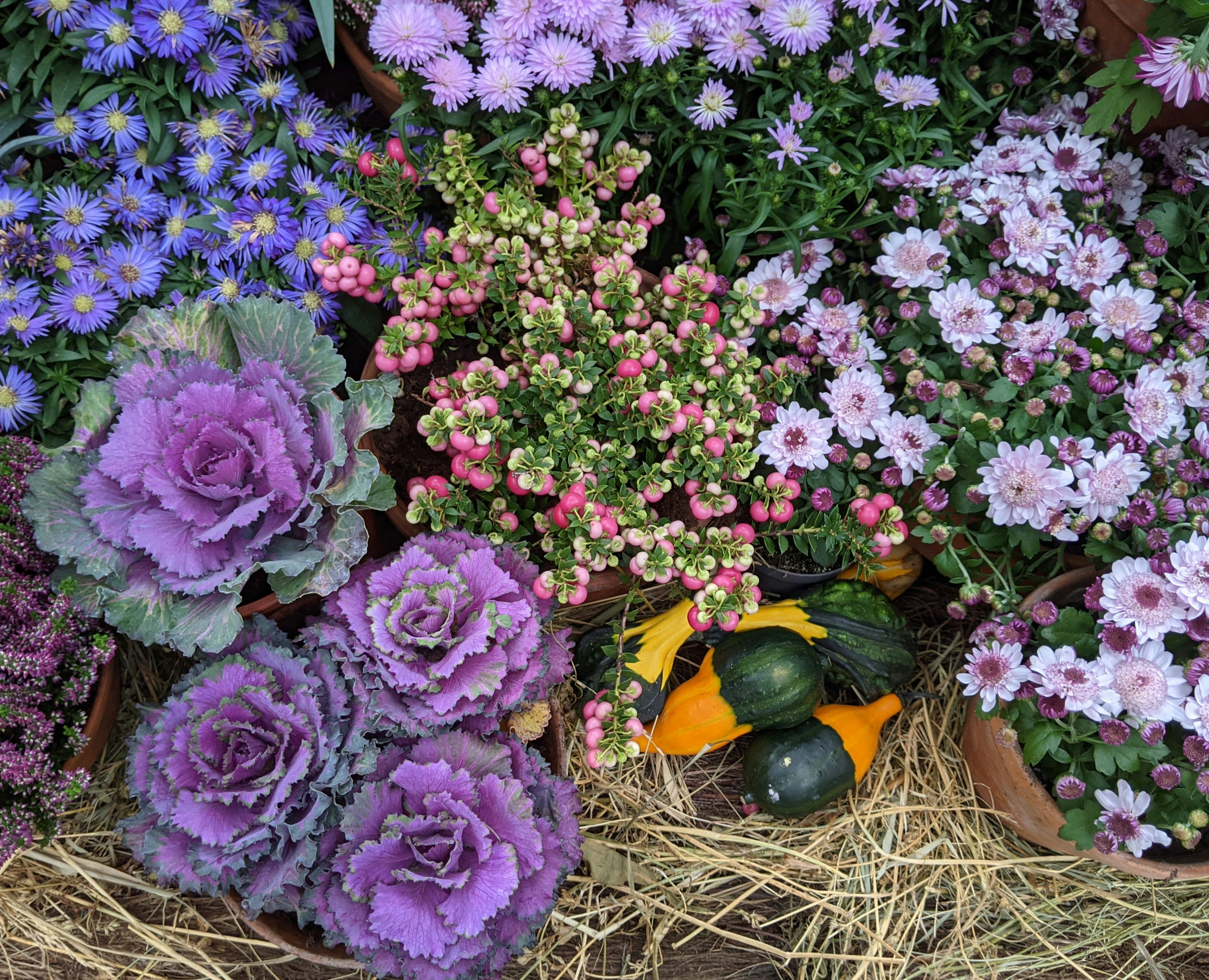
Welcome to the world of companion planting! In this guide, we will explore the art of designing a thriving companion planting garden. By strategically pairing plants, you can unlock a multitude of benefits that enhance the health and productivity of your garden. Whether you're a seasoned gardener or just starting out, understanding the basics and designing your garden layout are crucial steps towards creating a harmonious ecosystem.
The Benefits of Companion Planting
Companion planting offers numerous advantages for your garden. Firstly, it promotes natural pest control by attracting beneficial insects that prey on harmful pests, reducing the need for chemical interventions. Additionally, certain plant combinations can enhance soil fertility by fixing nitrogen or providing mulch cover to retain moisture and suppress weeds. Companion planting also maximizes space utilization and encourages pollination for improved yields.
The Basics of Companion Planting
To successfully implement companion planting, it's essential to understand plant compatibility and their interactions. Some plants have mutually beneficial relationships, such as repelling pests or enhancing nutrient uptake when grown together. On the other hand, certain plants may compete for resources or release substances that inhibit each other's growth. By carefully selecting compatible plant combinations, you can create a thriving garden ecosystem.
Designing Your Companion Planting Garden
Designing your companion planting garden involves thoughtful planning to maximize its potential. Consider factors like sunlight exposure, soil type, and available space when deciding where to place different plant varieties. Group plants with similar water requirements together to simplify irrigation tasks and prevent over- or under-watering. With careful design choices, you can create an aesthetically pleasing and functional garden that supports healthy plant growth.
Choosing the Right Plants for Your Garden

When it comes to companion planting garden design, selecting the right plants is crucial for a successful and thriving garden. Understanding the characteristics of different plants is the first step in creating a harmonious and beneficial plant community.
Understanding Plant Characteristics
Before choosing your plants, it's important to consider their individual needs and preferences. Some plants thrive in full sun, while others prefer partial shade. Additionally, certain plants have specific soil requirements or are more tolerant of drought or wet conditions.
By understanding these characteristics, you can ensure that you're providing the ideal growing conditions for each plant in your garden. This will ultimately lead to healthier and more productive plants.
Pairing Complementary Plants
Companion planting is all about finding plant combinations that benefit each other by enhancing growth, repelling pests, or improving flavor. When choosing plants for your garden, consider pairing those that have complementary characteristics.
For example, tall-growing plants like corn can provide shade and support for climbing crops such as beans or cucumbers. The beans benefit from the support provided by the corn stalks while also fixing nitrogen into the soil, which benefits both crops.
Avoiding Incompatible Plants
While some plants thrive when grown together, others can inhibit each other's growth or attract pests and diseases when planted in close proximity. It's important to be aware of incompatible plant combinations to avoid potential issues in your garden.
For instance, tomatoes and potatoes are both susceptible to late blight disease. Planting them together increases the risk of spreading this disease between them. Similarly, onions and peas should not be planted together as they can inhibit each other's growth.
Choosing the right plants for your garden involves understanding their characteristics, pairing complementary plants, and avoiding incompatible combinations. By carefully considering these factors, you can create a thriving and harmonious garden ecosystem that maximizes the benefits of companion planting.
Maximizing Space with Vertical Planting

Vertical planting is a clever technique that allows you to make the most out of limited gardening space. By utilizing trellises and arbors, you can create a stunning vertical display of plants while optimizing your garden's layout.
Utilizing Trellises and Arbors
Trellises and arbors are essential tools for vertical gardening. These structures provide support for climbing plants, allowing them to grow upward instead of sprawling across the ground. Not only do trellises and arbors save space, but they also add visual interest to your garden.
To utilize trellises effectively, choose sturdy materials like wood or metal that can withstand the weight of climbing plants. Install them securely in the ground or against a wall, ensuring they can support the growth of your chosen plants.
Creating Vertical Layers for Plants
Creating vertical layers is another smart strategy for maximizing space in your companion planting garden design. By arranging plants at different heights, you can create a visually appealing and functional garden that optimizes sunlight exposure.
Consider using hanging baskets or window boxes to add height to your garden. These containers are perfect for trailing plants like tomatoes or cucumbers, which can be trained to grow upwards rather than sprawling across the ground.
Additionally, consider incorporating tall plants like sunflowers or corn as natural backdrops for shorter companion plants. This layering effect adds depth and dimension to your garden while making efficient use of vertical space.
Enhancing Sunlight Exposure
One crucial aspect of vertical planting is ensuring that all your plants receive adequate sunlight exposure. Position taller plants on the northern side of your garden so they don't shade smaller companions from sunlight.
To further enhance sunlight exposure, regularly prune any dense foliage that may block light from reaching lower layers of vegetation. This will help maintain a healthy balance between light distribution and plant growth throughout your garden.
By utilizing trellises and arbors, creating vertical layers for plants, and enhancing sunlight exposure, you can make the most of your limited gardening space. This innovative approach not only maximizes productivity but also adds a visually stunning element to your companion planting garden. So embrace the vertical and unlock the full potential of your garden!
Controlling Pests and Diseases Naturally

One of the great benefits of companion planting is its ability to naturally control pests and diseases in your garden. By strategically choosing certain plants, you can create a garden ecosystem that repels pests and promotes healthy growth.
Pest-Repellent Companion Plants
To ward off unwanted pests, consider incorporating pest-repellent companion plants into your garden design. Plants like marigolds, garlic, and chives are known for their ability to deter insects such as aphids, mosquitoes, and nematodes. These plants emit strong scents that act as natural repellents, keeping your garden free from harmful pests.
Disease-Resistant Plant Combinations
Another aspect of controlling pests and diseases naturally is selecting plant combinations that are disease-resistant. Some plants have natural defenses against certain diseases and can help protect neighboring plants from infection. For example, planting basil alongside tomatoes can help prevent tomato blight due to basil's natural fungicidal properties.
Implementing Crop Rotation
Crop rotation is a crucial technique in companion planting for preventing the buildup of pests and diseases in the soil over time. By rotating crops each season, you disrupt the life cycles of pests and pathogens that may have become established in the soil. This helps maintain a healthy balance in your garden while reducing the need for chemical interventions.
Attracting Beneficial Insects and Pollinators

Attracting beneficial insects and pollinators to your companion planting garden is essential for a thriving ecosystem. By choosing plants that attract bees and butterflies, creating habitats for beneficial insects, and incorporating flowering herbs and perennials, you can enhance the biodiversity of your garden.
Choosing Plants that Attract Bees and Butterflies
To attract bees and butterflies to your garden, consider planting flowers such as lavender, sunflowers, and coneflowers. These vibrant blooms produce nectar-rich flowers that are irresistible to these pollinators. Additionally, herbs like thyme, sage, and oregano can also attract bees with their fragrant blossoms. By including a variety of these plants in your garden design, you'll create a colorful haven for these important insects.
Creating Habitat for Beneficial Insects
To encourage beneficial insects like ladybugs and lacewings to visit your garden, provide them with suitable habitats. Incorporate elements such as rocks or logs where they can find shelter during the day. Planting native grasses or creating small water features can also attract dragonflies, which are natural predators of pests like mosquitoes. By offering diverse habitats within your companion planting garden design, you'll invite a wide range of helpful insects.
Incorporating Flowering Herbs and Perennials
Flowering herbs such as dill, fennel, and cilantro not only add flavor to your meals but also attract beneficial insects with their delicate blossoms. Perennial flowers like bee balm, yarrow, and echinacea provide long-lasting beauty while attracting pollinators throughout the growing season. By incorporating these flowering plants into your companion planting garden design, you'll create an inviting environment for both beneficial insects and yourself.
Companion Planting in Small Spaces
Container Gardening with Companion Plants
Container gardening is a fantastic option for those with limited space, allowing you to create a thriving companion planting garden even in the smallest of areas. By carefully selecting complementary plants and utilizing different container sizes, you can maximize your space and create a beautiful and productive garden.
One strategy for container gardening with companion plants is to choose plants that have similar growth habits and nutrient requirements. For example, pairing a tomato plant with basil or marigolds can provide mutual benefits as they repel pests and improve each other's flavor. Additionally, using hanging baskets or vertical containers can help save space by utilizing the vertical height of your garden.
Companion Planting in Raised Beds
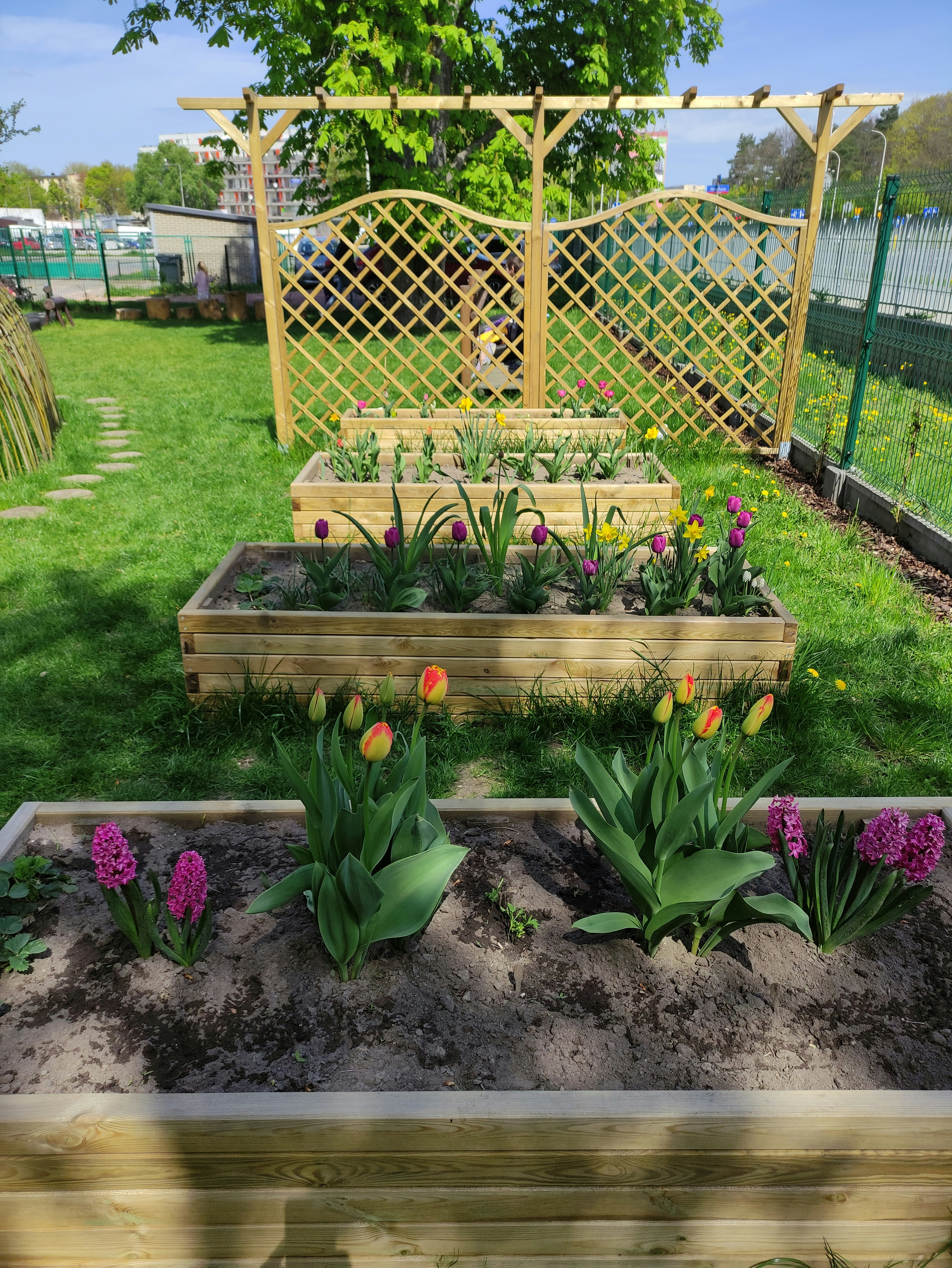
Raised beds are another excellent option for small spaces, offering better drainage, improved soil quality, and easier maintenance. When planning your raised bed companion planting garden, consider the size and spacing requirements of each plant to ensure they have enough room to grow without overcrowding.
To maximize your raised bed's potential, try interplanting taller crops like tomatoes or peppers with lower-growing companions like lettuce or radishes. This allows you to make the most of vertical space while providing shade for more delicate plants. Additionally, incorporating herbs such as dill or chamomile can attract beneficial insects and deter pests.
Intercropping in Limited Areas
Intercropping is an effective technique for maximizing space in small gardens where every square inch counts. By planting different crops close together that have different growth rates or heights, you can utilize every available space while reducing competition for nutrients and sunlight.
For example, intercropping fast-growing lettuce between rows of slower-growing broccoli can optimize your garden's productivity. Additionally, pairing plants with different root depths can help prevent soil depletion and improve overall soil health. For instance, interplanting shallow-rooted herbs like thyme or oregano with deep-rooted vegetables like carrots or potatoes can create a harmonious garden ecosystem.
By employing these strategies, even the smallest of spaces can become a flourishing companion planting garden. Whether you choose container gardening, raised beds, or intercropping, the key is to carefully plan your plant combinations and make the most of every inch available. Embrace the rewards of companion planting in small spaces and enjoy a bountiful harvest right at your fingertips.
Conclusion

Unlock the Secrets of a Thriving Companion Planting Garden
In conclusion, companion planting garden design offers numerous benefits for gardeners of all levels. By understanding plant characteristics and pairing complementary plants, you can create a harmonious garden ecosystem that maximizes space and controls pests and diseases naturally. Additionally, attracting beneficial insects and pollinators enhances the overall health and productivity of your garden. Whether you have a small space or ample room to grow, companion planting is a rewarding practice that allows you to embrace the rewards of a flourishing garden.
Creating a Harmonious Garden Ecosystem
Companion planting is not just about choosing the right plants; it's about creating a harmonious garden ecosystem where each plant supports and benefits its neighbors. By carefully selecting plants that work well together, you can encourage healthy growth, deter pests, and improve overall crop yield. This holistic approach to gardening promotes biodiversity and sustainability while reducing the need for harmful chemicals or pesticides.
Embracing the Rewards of Companion Planting
The rewards of companion planting are plentiful. Not only does it provide an aesthetically pleasing garden with vibrant colors and textures, but it also promotes healthier plants and higher yields. By implementing companion planting techniques, you can enjoy an abundant harvest while minimizing the use of synthetic fertilizers or pesticides. Additionally, companion planting fosters a sense of connection with nature as you observe how different plants interact and support each other in your garden.